Die Zeitschrift VISION mobility richtet sich an mobilitätsbegeisterte Menschen bzw. Flottenmanager und begleitet den Technologiewandel in Sachen Automotive und Mobilität.
While rental car rides sometimes cost less than half of a taxi ride, the city is examining regulatory interventions. A legal opinion is intended to provide clarity. Decisions from Munich, Cologne, Essen and Leipzig illustrate the risks.
Following the Munich court ruling, the association calls for the abandonment of additional price floors. Instead, stricter controls, transparent offers and greater tariff flexibility should shape the competition.
The Administrative Court of Munich objects to the geographic scope of the municipal minimum-price regulation for rental cars. The Federal Association of Taxi and Car Rental points to Dortmund as a possible model for an adjustment.
(dpa) Only introduced in July, now struck down in court: The minimum prices for Uber and Bolt in Munich have been overturned. What the ruling means for passengers and the industry.
Following indications of potentially waiting rental cars, the police in Bad Kreuznach checked two vehicles in the vicinity of the fair. Whether the drivers have violated the applicable transport regulations is still being investigated.
(dpa) The US company had automatically suspended drivers' accounts, without informing them. The Dutch data protection authorities ruled that this was a violation of European law.
In Cologne, Essen, and Munich, minimum prices for rental cars are under legal review. The Federal Association of Taxi and Car Rental sees the procedures as part of the development of a robust legal practice.
(dpa) The new price guidelines have only been in effect since the beginning of July. Now they are keeping the judiciary busy – and Bolt already reports a 44 percent drop in demand.
(dpa) The taxi fleet has grown by around 400 vehicles since mid-February. From mid-August, the picture could change. At the same time, the handling of platform-mediated rental cars remains a point of contention.
(dpa) 38 euros instead of 26 euros in Frankfurt, 60 euros instead of 35 euros in Berlin: A snapshot shows clear differences. A study also reveals why competition is not solely about the fare.
(dpa/lnw) The administrative court regards Cologne's taxi fare regulations as likely illegal. The city is opposing this and is appealing to the Higher Administrative Court.
The study points to structural changes in the mobility market. Therefore, debates about rental car platforms alone are not sufficient to secure the competitiveness of taxis.
Teltow-Fläming now has more authorized rental cars than Berlin, according to the association. The TMV sees a link with the increased enforcement pressure in the capital and calls for a cross-state response.
(dpa) With a new price regulation, the state capital aims to create a level playing field. At the same time, it pursues transport and regulatory policy objectives.
The number of rental cars has risen to 1,357 vehicles over the past two years. According to the district administration, inspections have so far only been carried out to a limited extent. The SPD says there is a substantial need to improve oversight.
According to the association, the planned end of contribution-free mini-jobs and the mandatory pension insurance for new self-employed could hinder staff recruitment and business startups in the trades.
120 representatives from licensing and traffic authorities discussed in Essen the minimum fare charges, market regulation and enforcement in the rental-car sector.
(dpa) A driver stopped for twelve minutes after a ride and accepted a test order. The Federal Court of Justice has now ruled that this violates the return-to-base obligation for rental cars.
(dpa) As Cologne introduces new pricing rules, platforms like Bolt warn of higher costs for passengers. The competition in urban passenger transport is heating up.
Platform-mediated rental cars relocate their headquarters to the Brandenburg surrounding area, but remain active in Berlin. The association and the SPD parliamentary group are pressing for joint supervision by Berlin and Brandenburg.
With a NeTEx-compliant data standard, the Taxi and Rental Car Association integrates taxi and rental-car data into existing information platforms and relies on cooperation with transport associations and system providers.
The Mettmann District Council rejects a minimum fare for platform-mediated rental cars. The industry association VSPV sees misinterpretations of the instrument and warns of structural consequences for taxis as part of public transport.
Minimum transport fares are intended to prevent dumping prices and to create the same framework conditions between taxis and platform-mediated rental cars.
With an investment in HysetCo, the platform operator secures vehicles and refueling infrastructure. The aim is to significantly increase the share of fuel cell vehicles in the capital.
Around 1,000 rental cars withdrew from the platform for 24 hours. Accompanying this, entrepreneurs and drivers gathered at the Greenlight site to discuss the commission rate.
The conflict between the taxi and car-rental industries has reached a new level. The city of Essen must legally tighten the price regulations that have been in effect since the start of the year.
At Berlin-Brandenburg Airport, taxi operators complain about aggressive passenger poaching and competitive disadvantages due to rental-car fleets. Investigations and license revocations reveal structural problems in the market.
The cathedral city wants to set minimum fares for taxi-like services. A leading platform provider supports the move – but at the same time calls for reforms at federal level.
Municipalities want to curb ruinous competition by app-based platforms with minimum transport charges and to stabilize the market order in the passenger transport sector.
CDU, Greens and SPD vote in favor of strengthening public order and law enforcement in on-demand transport. Municipalities should receive targeted support.
In test rides on the Uber platform, the displayed prices were below the minimum fare in effect in Essen since January. The German Taxi and Hire Car Association supported the local business owners with the documentation.
The taxi industry's night-time business in Wuppertal is in steep decline. Against this backdrop, industry representatives are calling for binding minimum rates for rental cars to ensure economic stability and fair competition in local passenger transport.
After inspections in Frankfurt and earlier measures in Berlin, the taxi and rental car association sees structural violations in the platform business. The association is pressing for a coordinated response from the federal government and the states and wants to bring the issue to the Conference of Transport Ministers.
The association warns of increasing distortions of competition due to illegal practices in parts of the platform economy. Without faster regulation, the TMV sees the taxi and rental-car sector under massive pressure and calls for swift action by policymakers.
From fake corporate structures to flight to the countryside: investigators and politicians warn about an industry that largely operates without oversight and earns millions by circumventing the state.
The ARD report titled "Uber, Bolt and Co. Rip-off Out of Control?" takes a detailed look at structural problems in the car rental market. Investigations reveal possible violations in vehicle labeling and advertising. The magazine places the platform services' practices in a political and legal context.
A Swiss survey shows massive burdens and low incomes among Uber drivers. The German Federal Association of Taxi and Rental Cars e.V. sees an urgent need for action and calls for clear rules as well as minimum prices for platform-based transport.
A Swiss survey shows: many Uber drivers work excessively long days and want clear rules. The German industry association sees urgent need for action and calls for minimum prices as well as strict oversight of platform providers.
A Cologne taxi company has prevailed in court: Uber's app violates central regulations for rental cars, according to the Regional Court. The company intends to appeal – the decision is not yet legally binding.
More and more ride-hailing platforms are pushing into cities such as Mainz and Trier. The MOLO association thus sees taxi companies, rental-car operators and public transport as being threatened – and calls for minimum prices as well as stricter controls.
(dpa) Uber is serious about the plan to become the platform for robotaxis from various manufacturers. In cooperation with the chip giant Nvidia, there is talk of 100,000 self-driving cars — someday.
The Federal Association of Taxi and Rental Car Transport calls for nationwide minimum prices for rental cars and stricter oversight of platform providers such as Uber. A lack of regulation could, according to BVTM, weaken not only taxis but also public transport.
Since Uber started in Kiel, pressure on taxi companies has grown. The association talks about systematic rule violations and calls for stricter checks as well as a minimum fare for rental cars. The city is now examining possible measures.
The family-owned company with 45 years of experience is expanding its offering to include digital channels. In addition to the classic telephone service, customers now have access to contactless payments and invoiced rides.
Digital application channels accelerate permitting procedures in the passenger transport sector. But industry representatives warn: The simplified registration could further strengthen Uber and similar operators in cities such as Frankfurt or Wiesbaden.
Refusals, surcharges, and restrictions on transporting mobility aids are weighing on the ride-hailing provider. Now substantial claims for damages are looming before a federal court in California.
The city and the taxi and private-hire vehicle sector are wrangling over minimum prices. The council is set to decide at the end of September, with new fixed taxi fares up for a vote at the same time.
Users in Dortmund can now choose between fixed-price hire cars and taxi rides. At launch there are discounts, while Bolt plans to integrate additional mobility options such as e-scooters and car sharing over the long term.
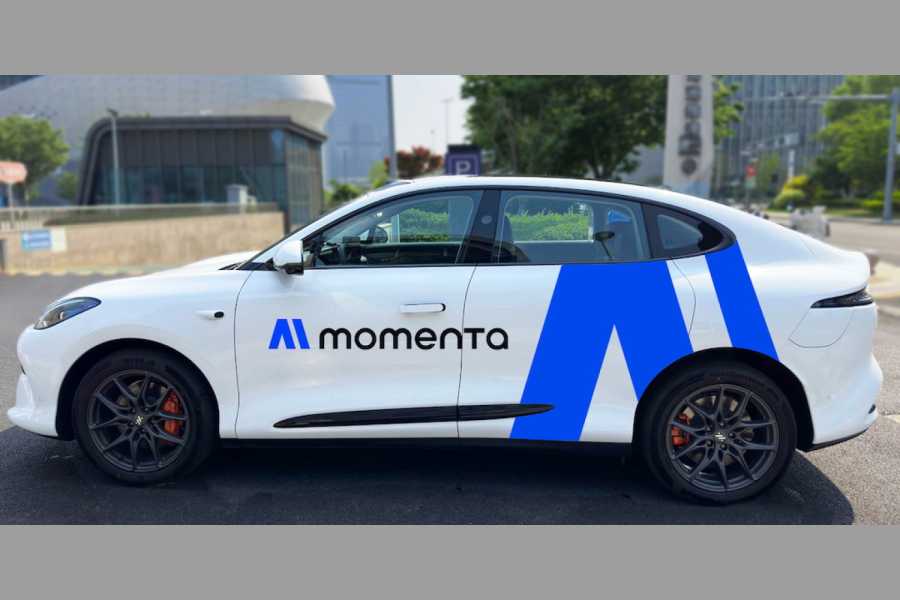
The Bavarian state capital is becoming the European pilot site for highly automated driving. Momenta is relying on AI technology that is already built into hundreds of thousands of vehicles and is being tested in robotaxi operations in Shanghai.
In Essen, ride-hailing services will no longer be permitted to be offered below certain fares in the future. The basis is an expert report that highlights major problems concerning drivers’ rights and social standards.
(dpa) By mid-2026, Uber and Bolt are to negotiate price agreements with the city. Minimum fees and fare caps are planned. The conflict with the taxi industry remains.
(dpa) An intelligent sensor system, tenfold security architecture, and electric drives: Baidu's RT6 models are expected to soon be available on the Lyft platform. The European rollout begins in 2026 and relies on local market knowledge and partnerships.
The taxi industry in Munich is sounding the alarm: The city is suspending promised protective measures against price dumping. Instead of clear rules, a new review order follows, leading to protests at Marienplatz.
Shortly before the planned city council decision, the SPD faction unexpectedly pulls the emergency brake – much to the annoyance of taxi companies. Instead of clear rules for all transport services, Munich is now opting for individual agreements with rental car providers.
After protests and international pressure, the mayor is relenting: Discussions with taxi and ride-service providers brought no solution. Now the city council is to take action – a minimum price for ride services is approaching.
Uber's business model is under criticism: An expert report reveals that without platform subsidies, economic operation is not possible. At the same time, taxi companies are coming under existential pressure due to the unequal competition.
According to the taxi association, Uber drivers in Munich have to work over eleven hours to earn the minimum wage. Investigations by authorities reveal massive violations. The city is now taking action – and could force the ride-hailing service to make changes.
In light of growing criticism of precarious working conditions at Uber and Bolt, municipal measures are coming into focus. The Fairwork report shows: Without statutory minimum prices, wage dumping and tax fraud are threatening—at the expense of drivers and competition.