


Ihr kostenloser Branchen-Newsletter

Lassen Sie sich von unseren Fachjournalisten einmal wöchentlich über die wichtigsten aktuellen Entwicklungen der Taxi-Branche informieren, bequem direkt in Ihre Mailbox.
Aktueller Termin

Meist gelesen
Municipalities intensify exchange on effective regulation of on-demand transport.

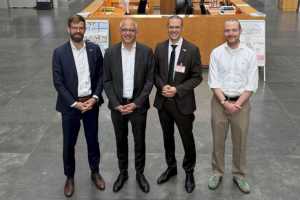
With 120 participants from licensing and transportation authorities, the PBefG Symposium 2026 of the Federal Association of Taxi and Rental Cars in Essen, according to the organizer, has reached a new attendance record. The focus of the specialist conference was the practical application of the instruments of the Passenger Transport Act and their significance for fair competition in on-demand transport.
Five years after the amendment of the Passenger Transport Act, municipalities are increasingly using the existing instruments, while at the same time the need for exchange of experience and for legally secure administrative enforcement is growing. In particular, discussions covered minimum fares for rental cars, the management of rental car traffic, and the enforcement of existing regulations against digital platform providers.
Minimum Fare Charges in Focus
A focus of the event was the introduction of minimum transport charges for rental cars. Representatives of the City of Essen reported, according to the organizer, on their experiences after the introduction of corresponding minimum prices at the beginning of the year. In addition, iGES Mobility presented impact analyses.
According to the Federal Association of Taxi and Rental Cars, the discussions showed that many municipalities see minimum fare charges as a suitable instrument to counteract ruinous price competition and to promote a level playing field between taxi and rental-car traffic.
Enforcement and Market Oversight
Moreover, the participants dealt with the possibilities for licensing authorities to effectively regulate on-demand transport and to consistently enforce existing regulations. The focus was on questions of market monitoring, administrative enforcement, and the oversight of platform traffic.
Broad Technical Program
Among the speakers were, among others, North Rhine-Westphalia's Minister of Transport, Oliver Krischer, who opened the event with a digital address. Also participating were Simone Raskob from the City of Essen, Thomas Kiel d’Aragon from the German Association of Cities, Hermann Waldner from taxi.eu, as well as other representatives from politics, administration, science and practice.
According to the assessment by the Federal Association of Taxi and Car Rental, the discussions indicated that the instruments of the Passenger Transport Act could prove effective when applied consistently. The association announced that it would continue the professional exchange between municipalities, states and the industry in the future as well. (Source: Federal Association of Taxi and Car Rental)
Content automatically translated.




Taxi-Fahrzeuge (Pkw) , Taxi-Newsletter, Taxameter, Taxi-Fahrer , BZP – Deutscher Taxi- und Mietwagenverband , Straßenverkehrsordnung (StVO) , Krankenbeförderung , Weiterbildung , Taxi-Konzessionen , Verkehrspolitik , Mietwagenbranche , Taxi-Apps , Berufskraftfahrer-Qualifikations-Gesetz BKrFQG) , Taxizentralen , Personal, Gehälter, Arbeitsschutz , Wirtschaftsnachrichten , Werbung , Taxi-Folierung , Taxi-Umrüster , Straßenverkehr , Elektromobilität, Taxifuhrpark und -flottenmanagement , Taxi-Versicherungen , Hybrid, Diesel, Erdgas , Taxi-Magazin







