


2 Ausgaben kostenlos für Sie

Fachmagazin taxi heute: Ihr Zugang zu exklusiven Inhalten rund um die Taxi- und Mietwagenbranche.
Aktueller Termin

Meist gelesen
BVTM warns: Rental-car dumping endangers public transport and fair competition.
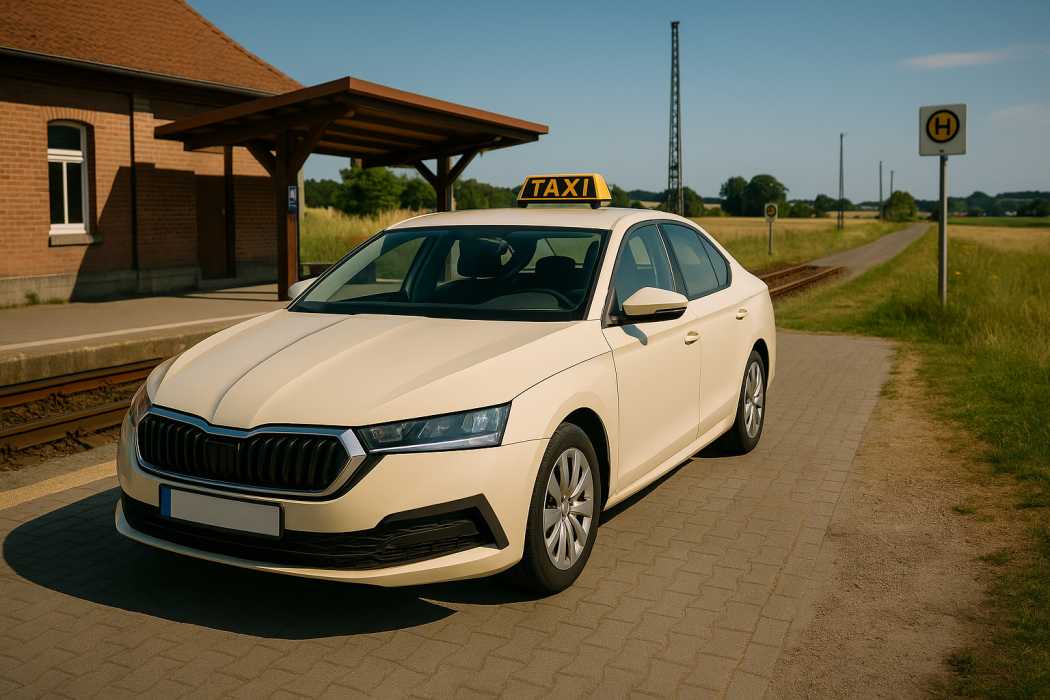
During the Parliamentary Taxi Evening on October 15, 2025 in Berlin, the Federal Association of Taxi and Car Hire Transport (BVTM) pointed to the unequal competitive conditions between taxi companies and platform providers such as Uber, from its perspective. The aim of the event was to influence the forthcoming evaluation of the Passenger Transport Act (PBefG). The association, in particular, calls for the taxi industry not to be disadvantaged in the market compared with digital intermediary services.
Point of Contention: Minimum fares for rental cars
A central topic was the introduction of minimum transport charges for rental cars. The BVTM criticizes that these have so far only applied in a few cities. In Essen, Heidelberg and Lörrach, corresponding regulations were introduced. In Essen, the minimum price according to the BVTM is slightly below the taxi tariff, while a tariff corridor gives the taxi some leeway.
In Munich, a planned minimum price was halted by the Lord Mayor shortly before it came into effect. In Berlin, the political signals are basically supportive, but the association fears delays due to the state parliament elections to be held next year. The Essen example shows that the implementation of minimum prices is lengthy due to expert opinions and court proceedings.
Impact on public local transport
The BVTM also sees risks for public local transport (ÖPNV) due to the absence of minimum prices. When used by multiple passengers together, rides in rental cars without a price floor could be cheaper than bus and rail trips – particularly in off-peak times and night services. The association warns that this could further thin out existing ÖPNV offerings.
According to BVTM market observation in Berlin, group rides with platform services on certain routes are often cheaper than BVG single tickets. At the same time, it shows that rental-car providers hardly cushion demand peaks in the rush hour, as many users still resort to U- and S-Bahn.
Taxi as part of public transport in rural areas
In rural areas, BVTM advocates integrating taxis more strongly into public transport. Models such as dial-a-ride taxis or ÖPNV-taxis should complement existing offerings and create economically sustainable mobility solutions. Taxi operators could thereby serve passengers at the station as well as handle shared-ride services.
Call for regulation of digital platforms
In addition to price issues, the BVTM also addressed the control and regulation of platform services. The inconsistent technical oversight was criticized: While taxis are subject to a strict taximeter obligation, according to the association around 90 percent of Uber vehicles benefit from exemptions. The BVTM therefore calls for uniform supervision and the inclusion of intermediary platforms under regulatory oversight.
SPD member of the Bundestag Stefan Zierke expressed support for stronger regulation of platform providers, taxation of them, and clearer liability obligations. CDU member of parliament Michael Donth pointed to progress through the mandatory labeling requirement for rental cars, which has already led to market realignments. In addition, he advocated a legal framework for the secure transfer of ride and payment data to the tax authorities.
Association between two interest groups
The BVTM represents both taxi and rental-car companies and thus stands between different interests. The association emphasizes that it mainly represents non-platform-based, traditional rental-car traffic, for example in the area of patient transport. The urban, platform-based rental-car segment – especially Uber and similar providers – is not seen by the BVTM as part of its clientele. (Source: NaNa online)
Content automatically translated.


Taxi-Fahrzeuge (Pkw) , Taxi-Newsletter, Taxameter, Taxi-Fahrer , BZP – Deutscher Taxi- und Mietwagenverband , Straßenverkehrsordnung (StVO) , Krankenbeförderung , Weiterbildung , Taxi-Konzessionen , Verkehrspolitik , Mietwagenbranche , Taxi-Apps , Berufskraftfahrer-Qualifikations-Gesetz BKrFQG) , Taxizentralen , Personal, Gehälter, Arbeitsschutz , Wirtschaftsnachrichten , Werbung , Taxi-Folierung , Taxi-Umrüster , Straßenverkehr , Elektromobilität, Taxifuhrpark und -flottenmanagement , Taxi-Versicherungen , Hybrid, Diesel, Erdgas , Taxi-Magazin







