Ihr kostenloser Branchen-Newsletter

Lassen Sie sich von unseren Fachjournalisten einmal wöchentlich über die wichtigsten aktuellen Entwicklungen der Taxi-Branche informieren, bequem direkt in Ihre Mailbox.
Aktueller Termin

Meist gelesen
Taxi today: Driving report Mercedes C-Class 250d T-Model: Diesel against the trend
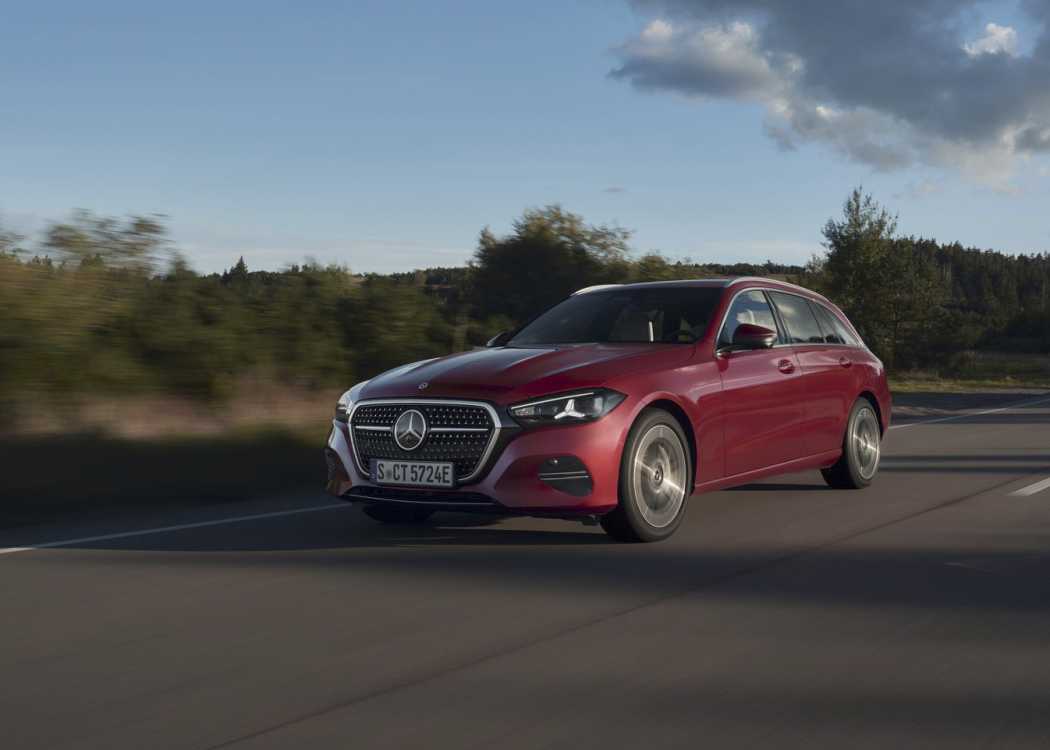
BMW, a rival of Mercedes, likes to go its own way and makes decisions that are not immediately obvious to everyone. But often the Munich-based company is right with its strategy. An example is electric mobility: They did not put everything on the electric cars and left the customer the choice of the drive. That BMW will forgo diesel engines in the next generation of the 3 Series, however, raises eyebrows. At Mercedes they rub their hands, because the diesel is also part of the drive portfolio in the C-Class model refresh.
Mercedes promises lower engine wear
With the diesel, Mercedes relies on evolution rather than revolution. The current OM 654 M has been developed into the OM 654 EVO. Even if the nomenclature origin from the 220 d to the C 250 d suggests more, the power gain of 2 kW / 3 hp is rather modest. So the two-liter four-cylinder delivers 147 kW / 200 hp. The maximum torque remains identical at 440 Newton-meters and lies between 1,800 and 2,800 rpm. New is an improved engine ventilation. It filters fine oil droplets from the gases that enter the crankcase during combustion. This should keep the engine cleaner in the long term and reduce wear. The variable turbine geometry, the 48-volt on-board network and the integrated starter generator are already known from the predecessor.


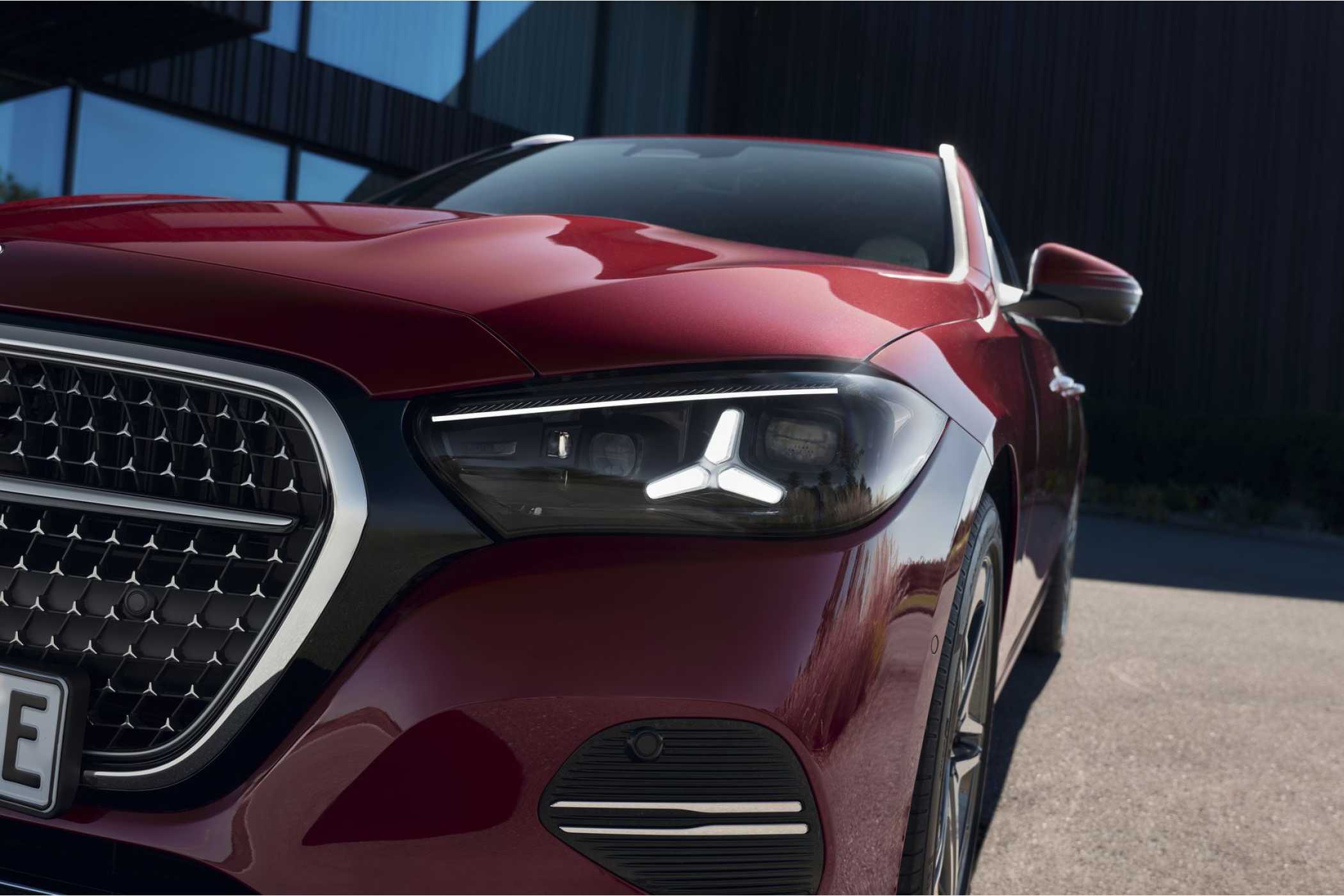

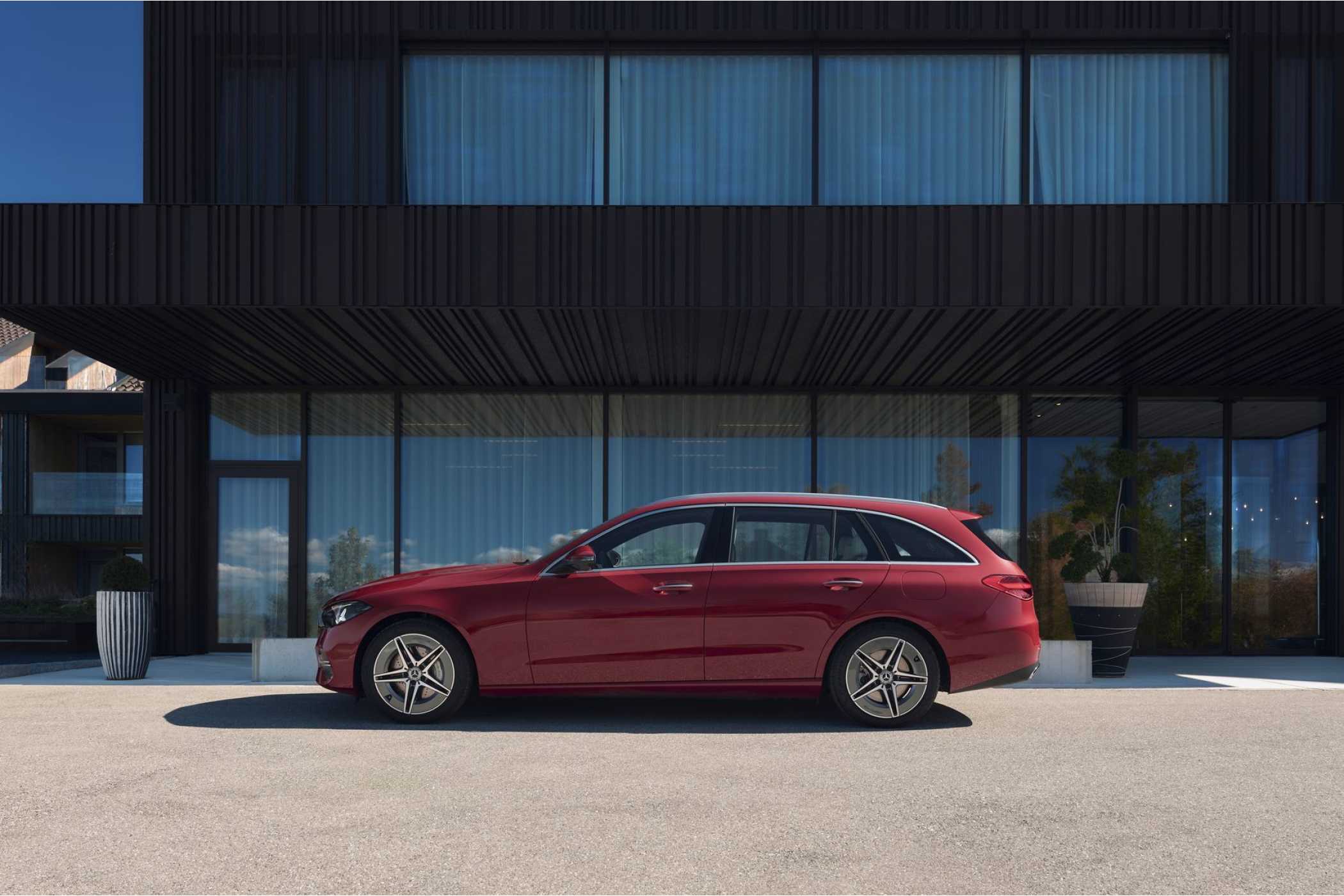

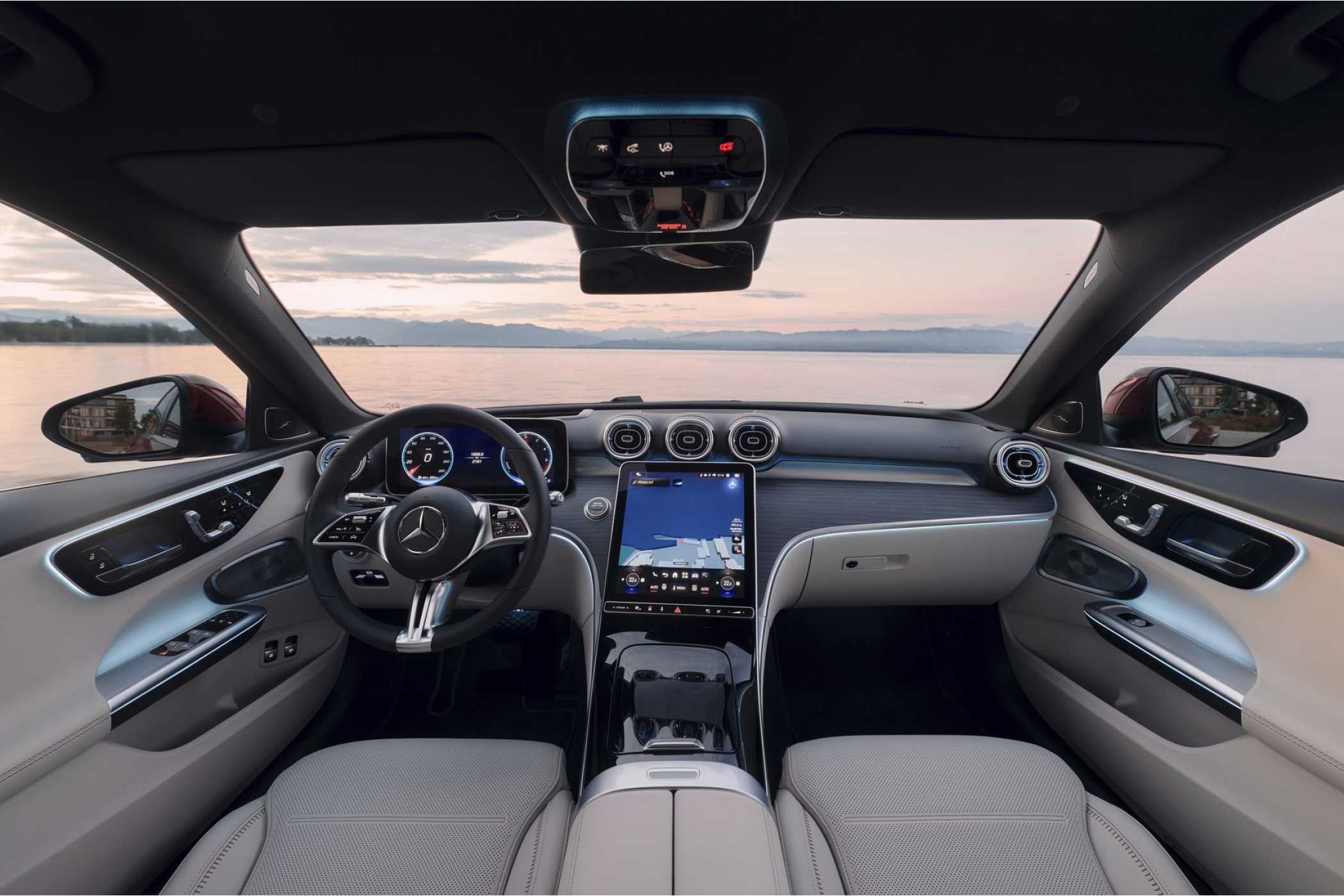

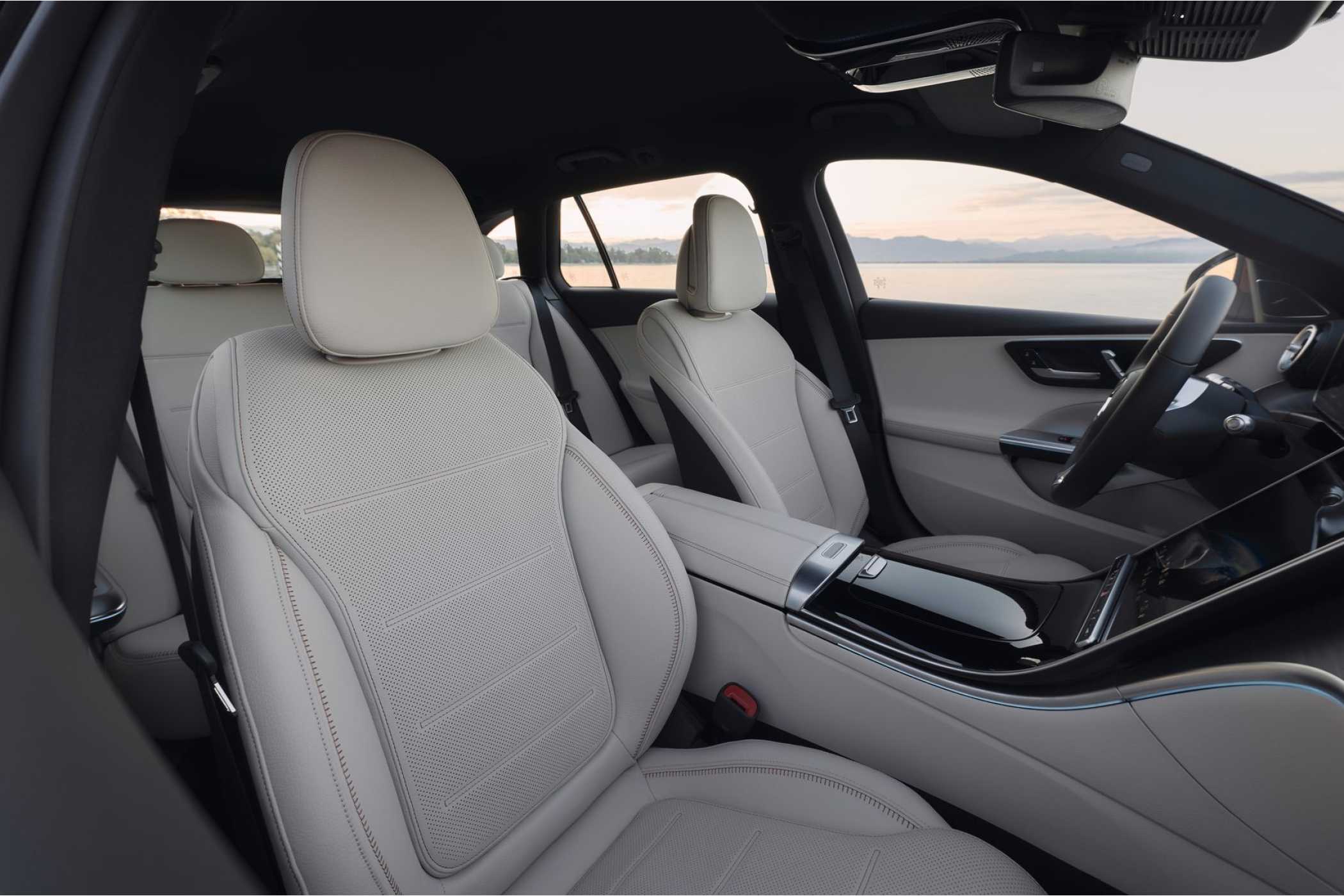

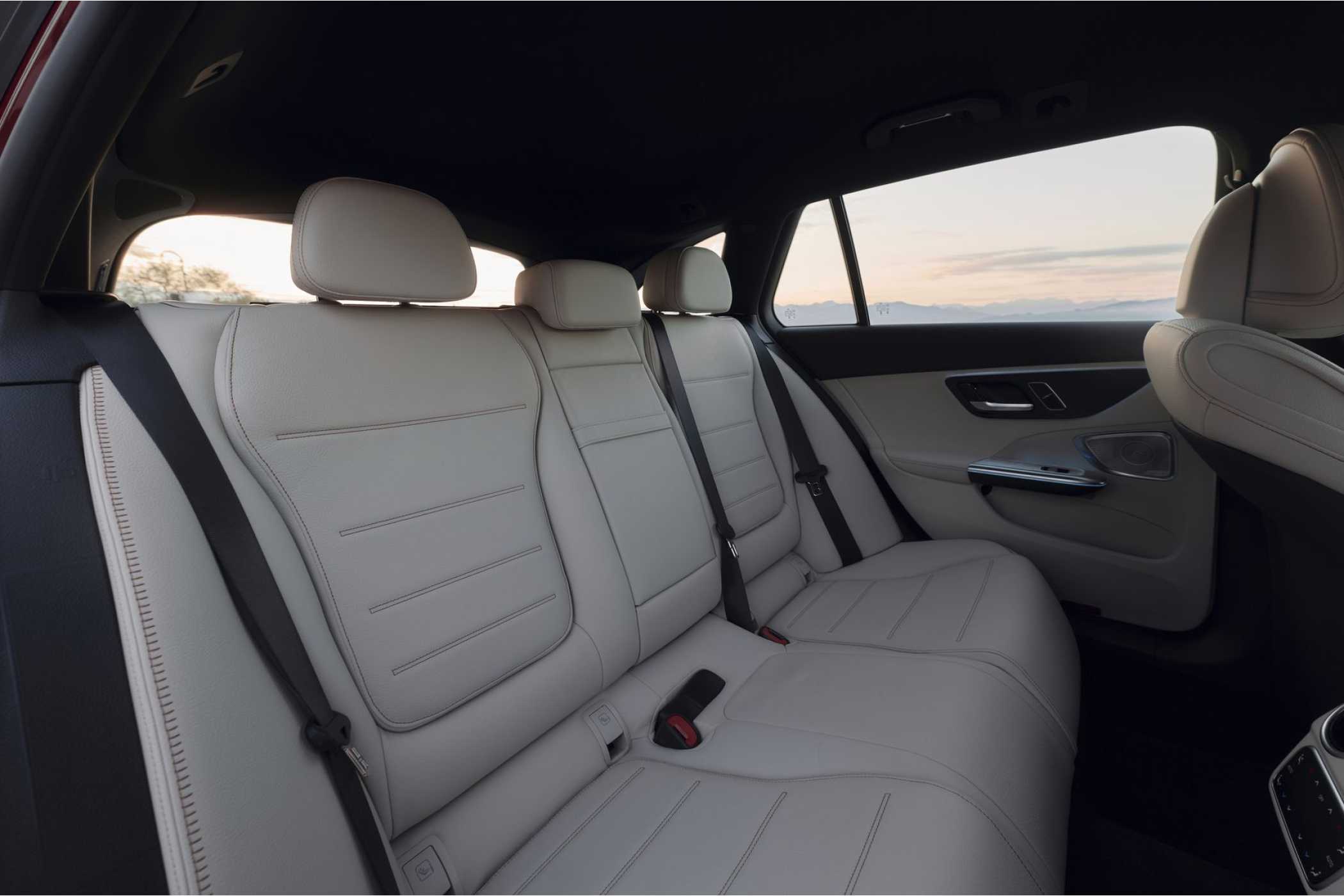



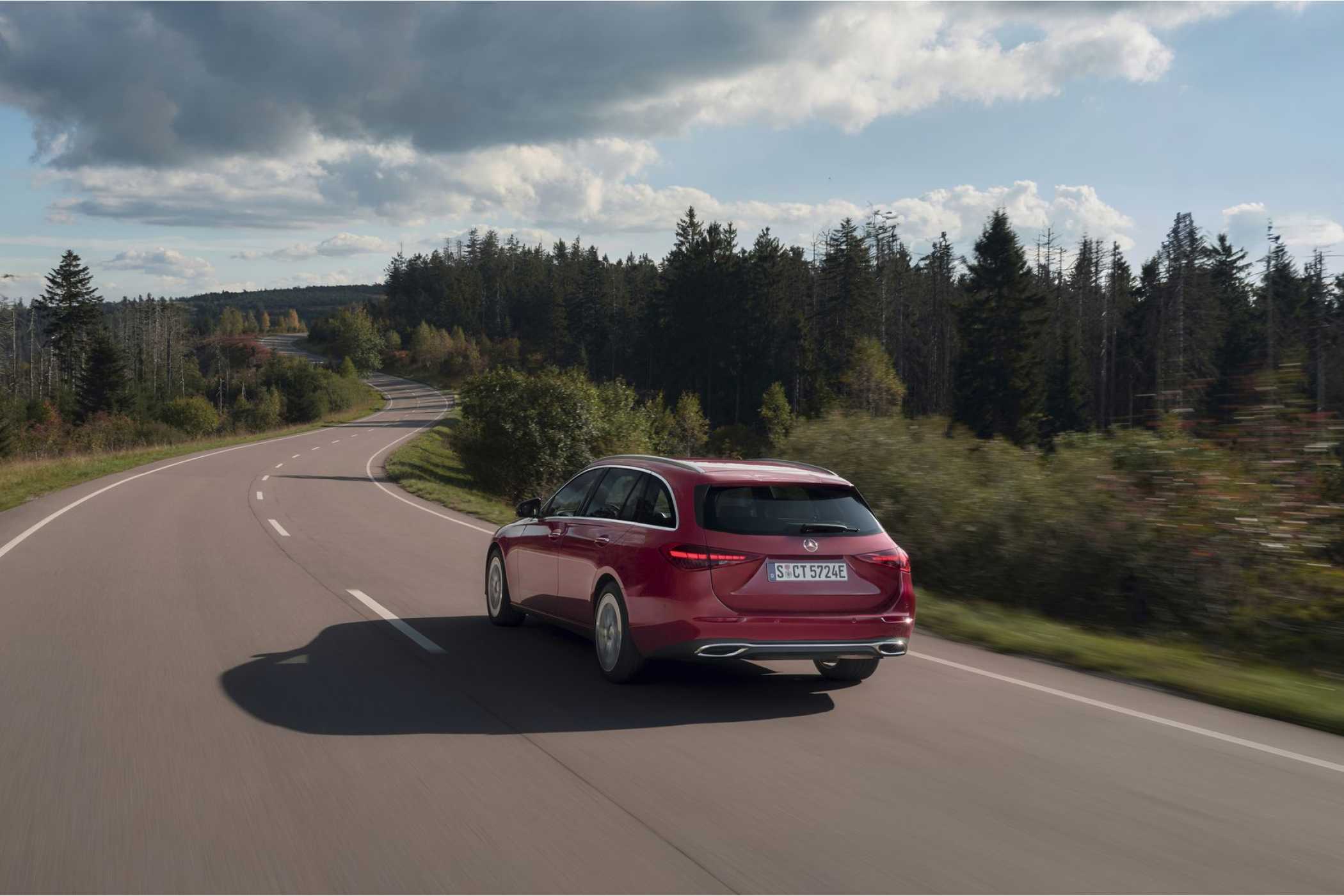

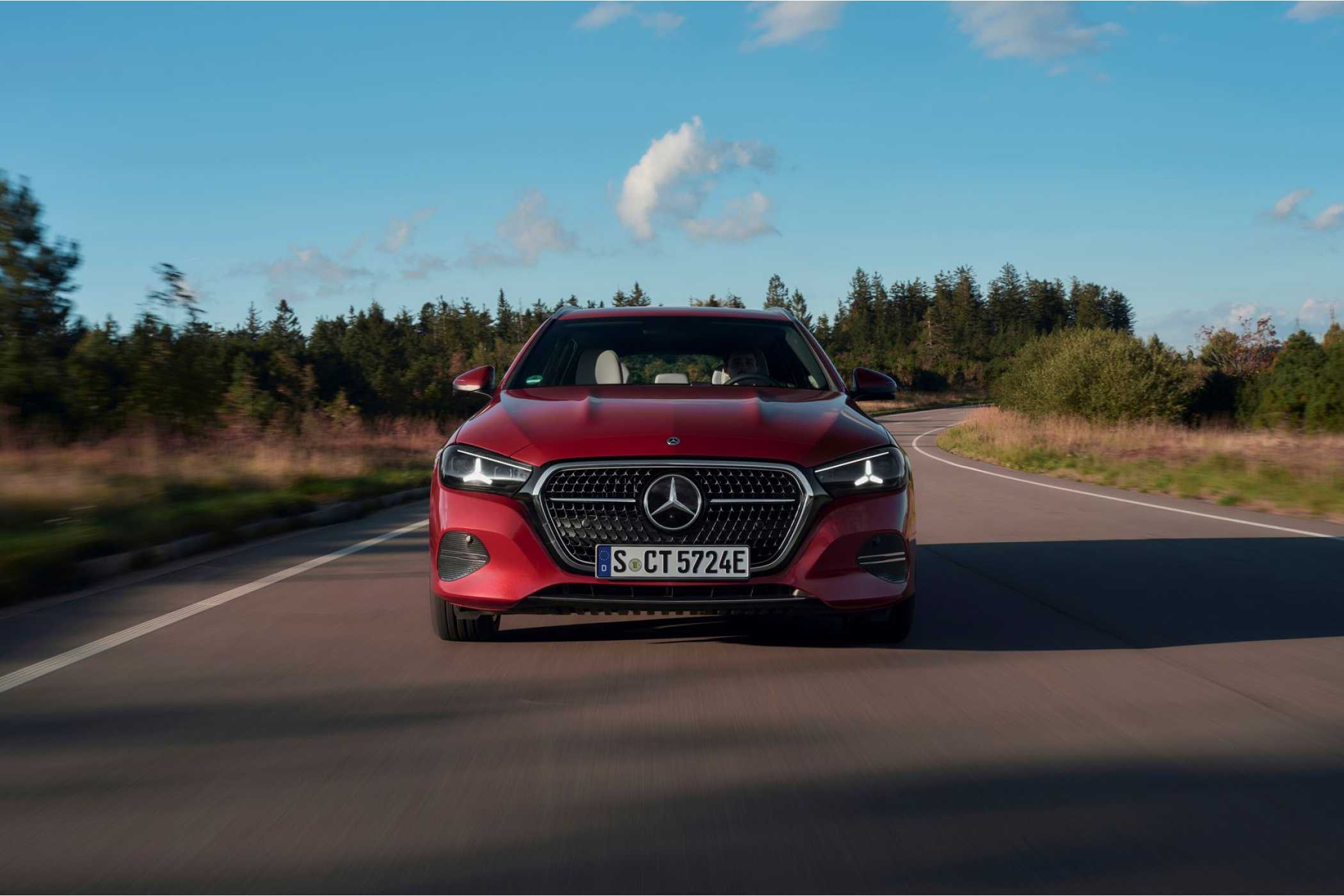



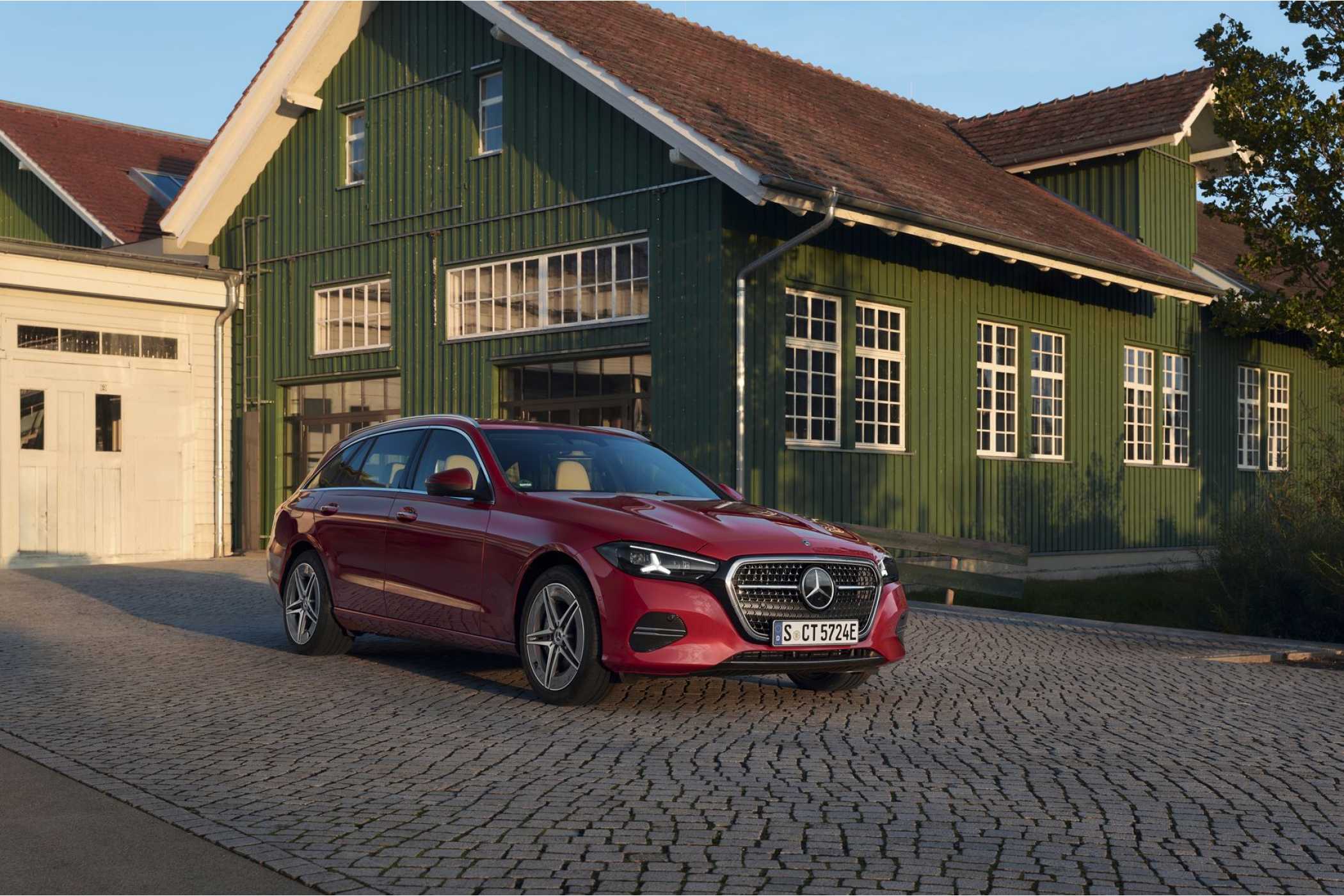

But that doesn't mean the diesel is a dull fellow. The Swabian power gets along well with the 1,860-kilogram heavy estate and feels livelier than the raw performance data would suggest. The electric 17 kW / 23 hp from hybridization helps with that. The rear-wheel-drive car completes the standard sprint from 0-100 km/h in 7.3 seconds and reaches a top speed of 236 km/h. That also allows you to make good progress on German highways. If you also consider the official consumption of 5.1 l/100 km, the wallet will also be happy after brisk long-distance stints. We recorded a diesel thirst of 6.7 l/100 km on our test drive. Still respectable.
Adjustable dampers
However, the insulation could be a bit better. As soon as you demand the engine's power, the work of the four cylinders becomes audible. Not overly annoying or loud, but noticeable. This is also noticeable because wind noise and vibrations stay low, and the body with a drag coefficient (cW) of 0.26 doesn't sit too much in the wind. Mercedes-Benz engineers have also refined the suspension and adopted the adjustable dampers from the CLE Coupé. As a result, the ride is better connected and bounces less on long undulations than before. The Mercedes wagon's rather comfortable setup remains unchanged. “Floating,” i.e., floating, the Stuttgart marketing strategists call it. Therefore the C-Class, even as an estate, isn't a ship's swing either. The suspension is simply more harmonious than before. Despite the length of 4.77 meters and the wheelbase of 2.87 meters, the T-Model also handles corners briskly – thanks to the rear-axle steering, which still turns the wheels by up to 2.5 degrees and thus reduces the turning circle to 10.64 meters.
As soon as you look down into the interior, plain hard plastic catches the eye. The expansive use of piano lacquer on the center console is not necessarily an attribute of the founder Gottlieb Daimler's mantra: “The best or nothing!” After all, we are talking about a car that costs at least 58,988 euros. In the cockpit, both the 12.3-inch instrument cluster and the 11.9-inch tall portrait-oriented display remain. The head-up display is razor-sharp. The basic operating concept of the infotainment system remains unchanged. It is still good. But in some places the technicians could improve things and simplify the menu navigation. At the bottom of the touchscreen there is a bar with digital quick-access keys. Not every tile or its function becomes immediately apparent. There are updates to the software base and the operating system. The so-called chip-to-cloud architecture separates hardware and software more from each other and enables even more over-the-air updates. Also for numerous driver-assistance functions.
Plenty of space in the rear seat – and in the trunk
With the steering wheel controls, Mercedes takes a step back. Instead of the touch-sensitive sliding controls, there is for the volume again a mechanical wheel and a toggle switch for the cruise control and the distance control. Both can be felt and operated without taking your eyes off the road. The other control panels still respond to touch. The voice control also works satisfactorily in our inquiries. There is also plenty of space in the rear. The cargo area remains practical with a volume of 490 to 1,510 liters and the standard electric tailgate. And up front is the diesel that not every competitor will have in the future.
For us behind the wheel: Wolfgang Gomoll; press-inform
Data sheet Mercedes C 250 d T-Model
Type: Mid-size estate
Engine: Four-cylinder diesel with mild-hybrid system
Displacement (cc): 1992
Power in hp (kW) at rpm: 147 / 200 at 3,400–3,600
Max. torque (Nm) at rpm: 440 at 1,800–2,800
Top speed (km/h): 236
0-100 km/h acceleration (s): 7.3
Transmission: Nine-speed automatic
Drivetrain: Rear
Fuel type: Diesel
Tank (L): 66
EU cycle consumption (l/100 km): 5.1
CO2 emissions (g/km): 134
Weight, manufacturer stated (kg): 1,860
Max. payload (kg): 540
Dimensions (L/W/H): 4,766 / 1,820 / 1,455
Max. cargo volume (L): 490 to 1,510
Price (Euro): 58,988
Base model (Euro): 50,391
Emissions standard: Euro 6e-bis
Efficiency class: D
Content automatically translated.




Taxi-Fahrzeuge (Pkw) , Taxi-Newsletter, Taxameter, Taxi-Fahrer , BZP – Deutscher Taxi- und Mietwagenverband , Straßenverkehrsordnung (StVO) , Krankenbeförderung , Weiterbildung , Taxi-Konzessionen , Verkehrspolitik , Mietwagenbranche , Taxi-Apps , Berufskraftfahrer-Qualifikations-Gesetz BKrFQG) , Taxizentralen , Personal, Gehälter, Arbeitsschutz , Wirtschaftsnachrichten , Werbung , Taxi-Folierung , Taxi-Umrüster , Straßenverkehr , Elektromobilität, Taxifuhrpark und -flottenmanagement , Taxi-Versicherungen , Hybrid, Diesel, Erdgas , Taxi-Magazin