2 Ausgaben kostenlos für Sie

Fachmagazin taxi heute: Ihr Zugang zu exklusiven Inhalten rund um die Taxi- und Mietwagenbranche.
Aktueller Termin

Meist gelesen
Tensor and Munich Taxi Center plan 500 autonomous taxis for Germany
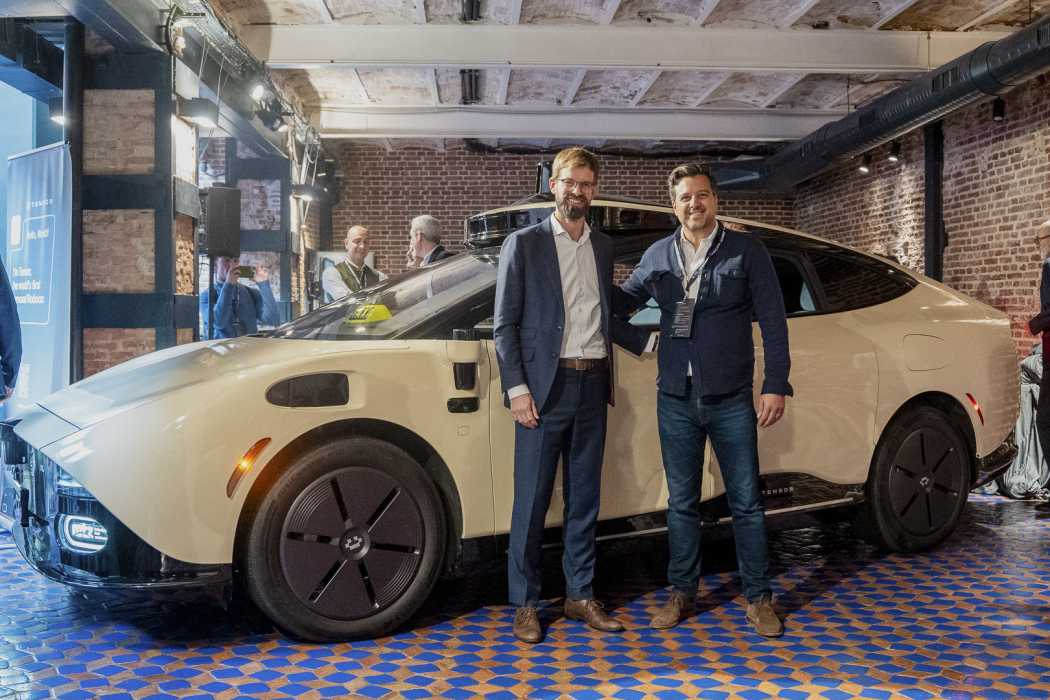
A taxi that arrives without a driver, but continues to operate under the brand of a traditional taxi company: Tensor and the Munich Taxi Center (MTZ) want to test this model in Germany. Both companies have signed a letter of intent. As a first step, they plan a fleet of up to 500 autonomous vehicles. However, commercial deployment depends on final contracts and regulatory approval for autonomous driving at Level 4. For the taxi industry, the allocation of roles is particularly interesting. MTZ is to operate the vehicles under its own name and integrate them into its existing dispatch systems. Passengers would continue to book through the taxi company. Also, control over customer relationships, fleet and data should remain with the operator. Tensor will provide the vehicle and requires an ongoing subscription for the autonomous driving function—a business model the company calls "Autonomous Driving as a Service".




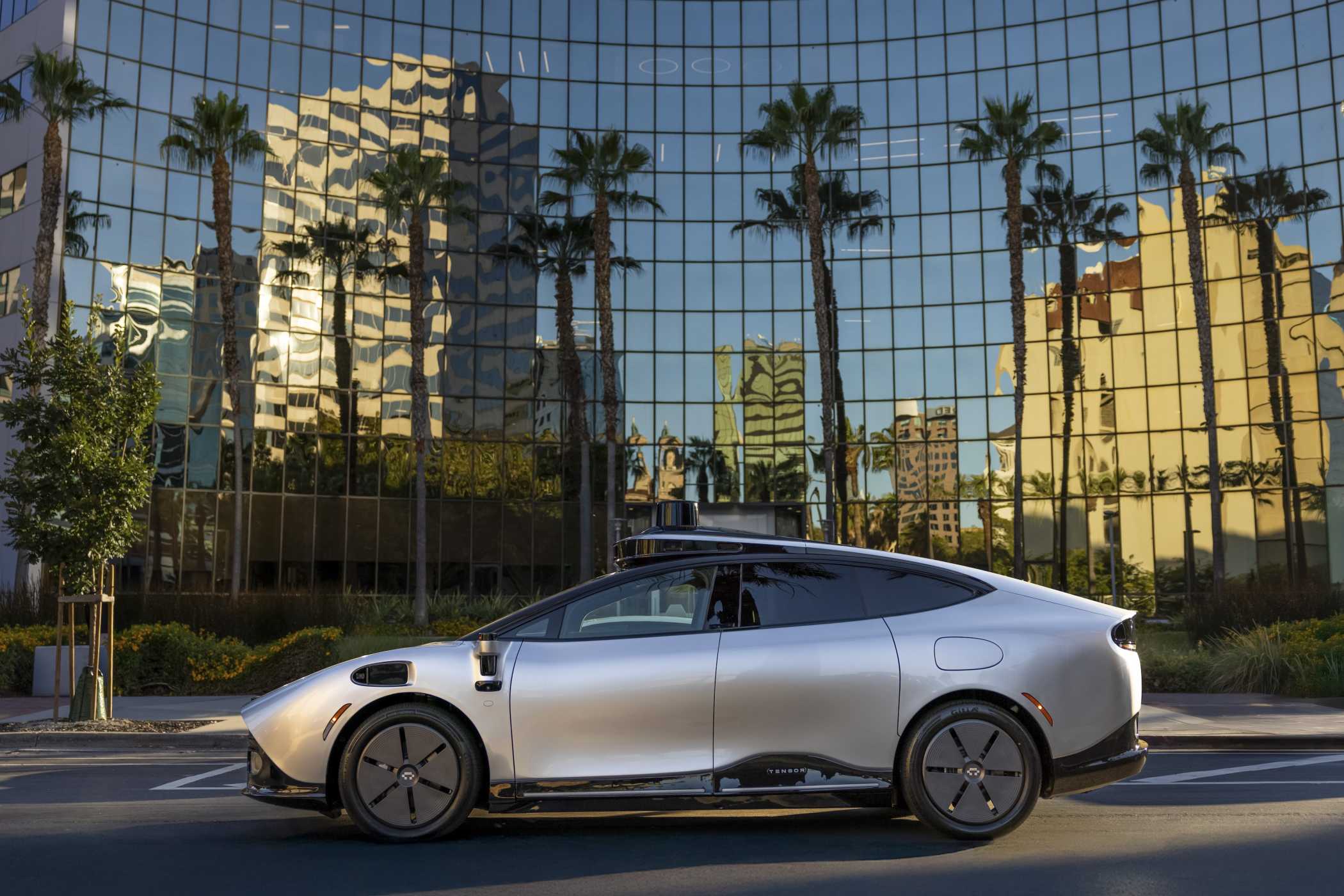



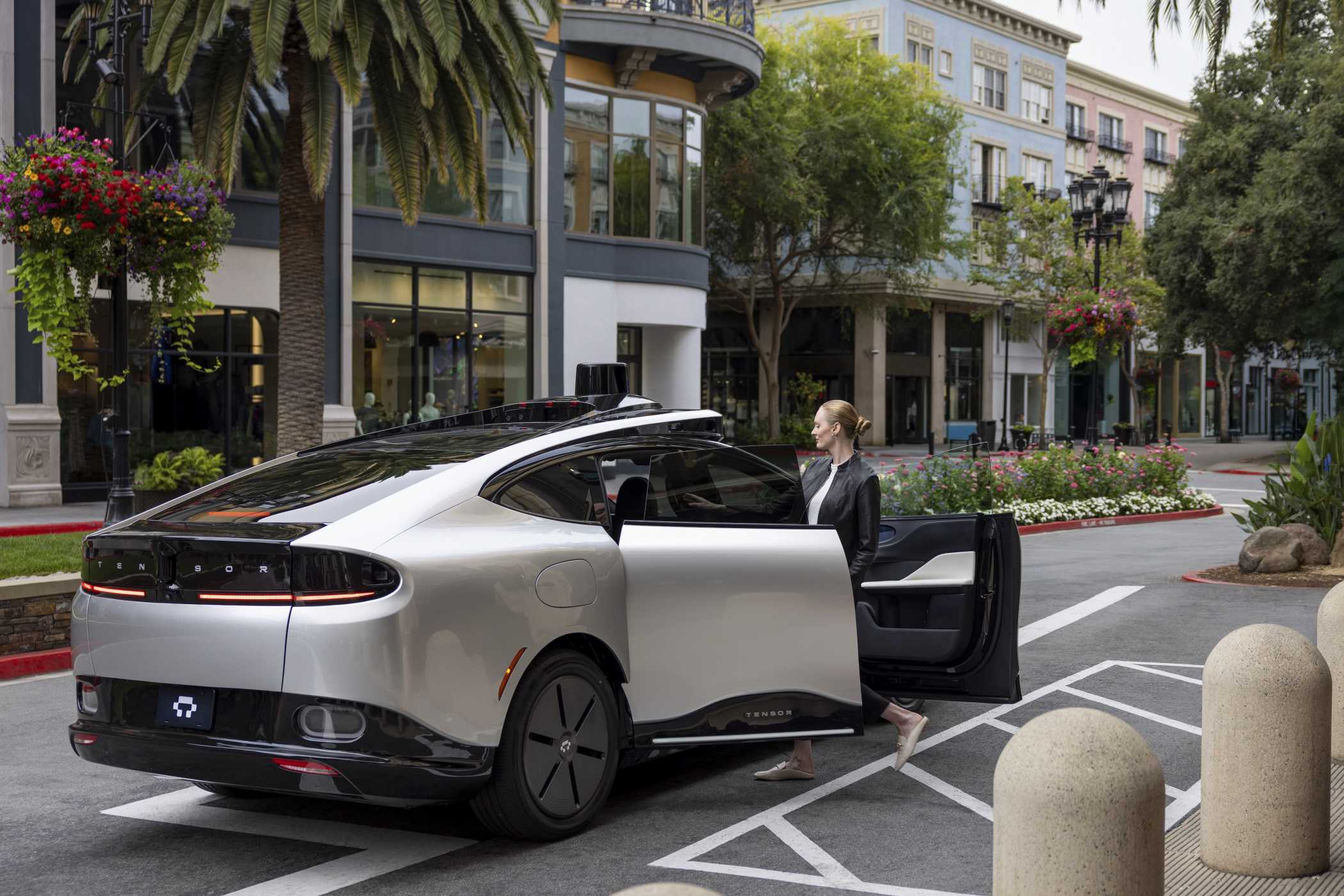

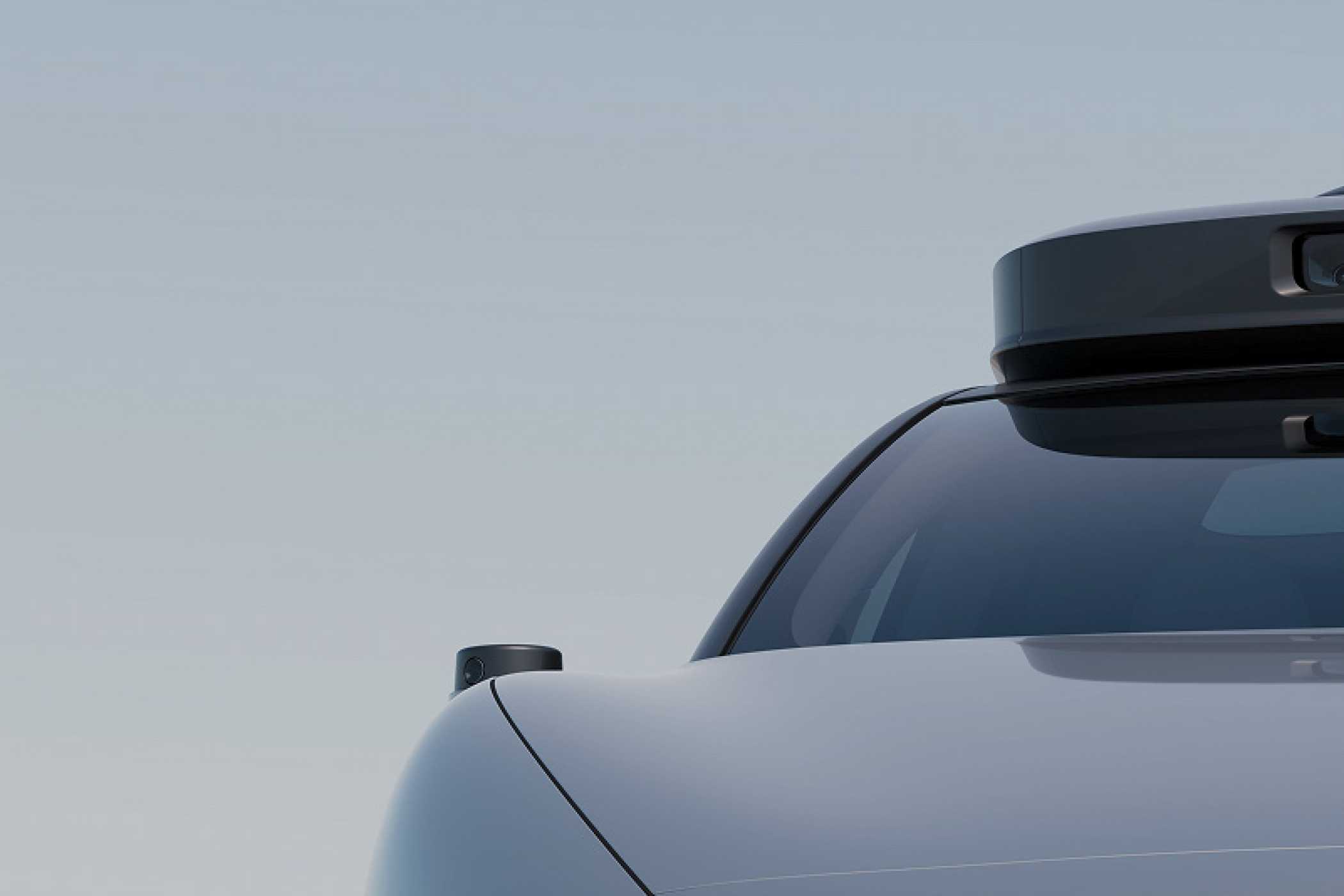

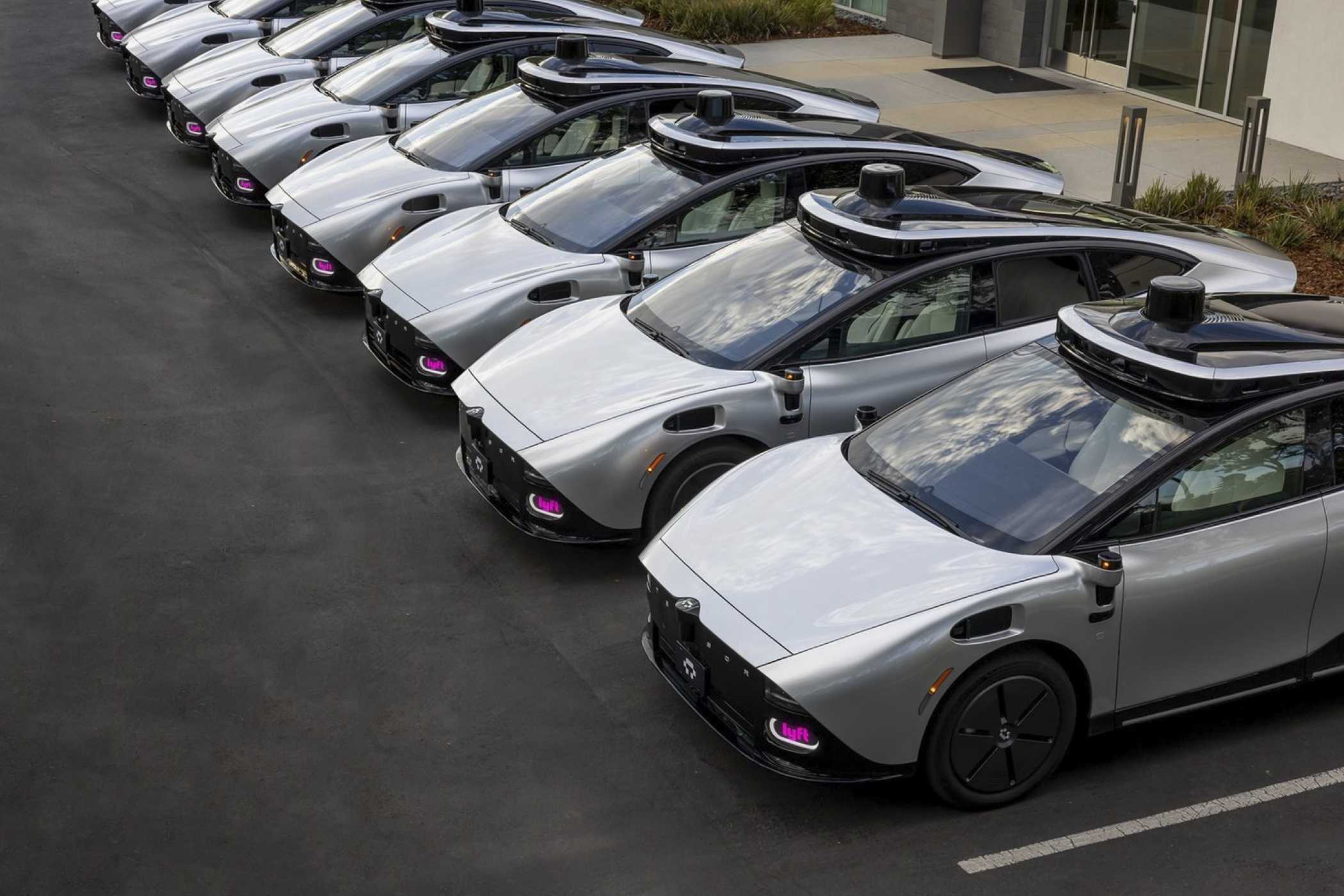

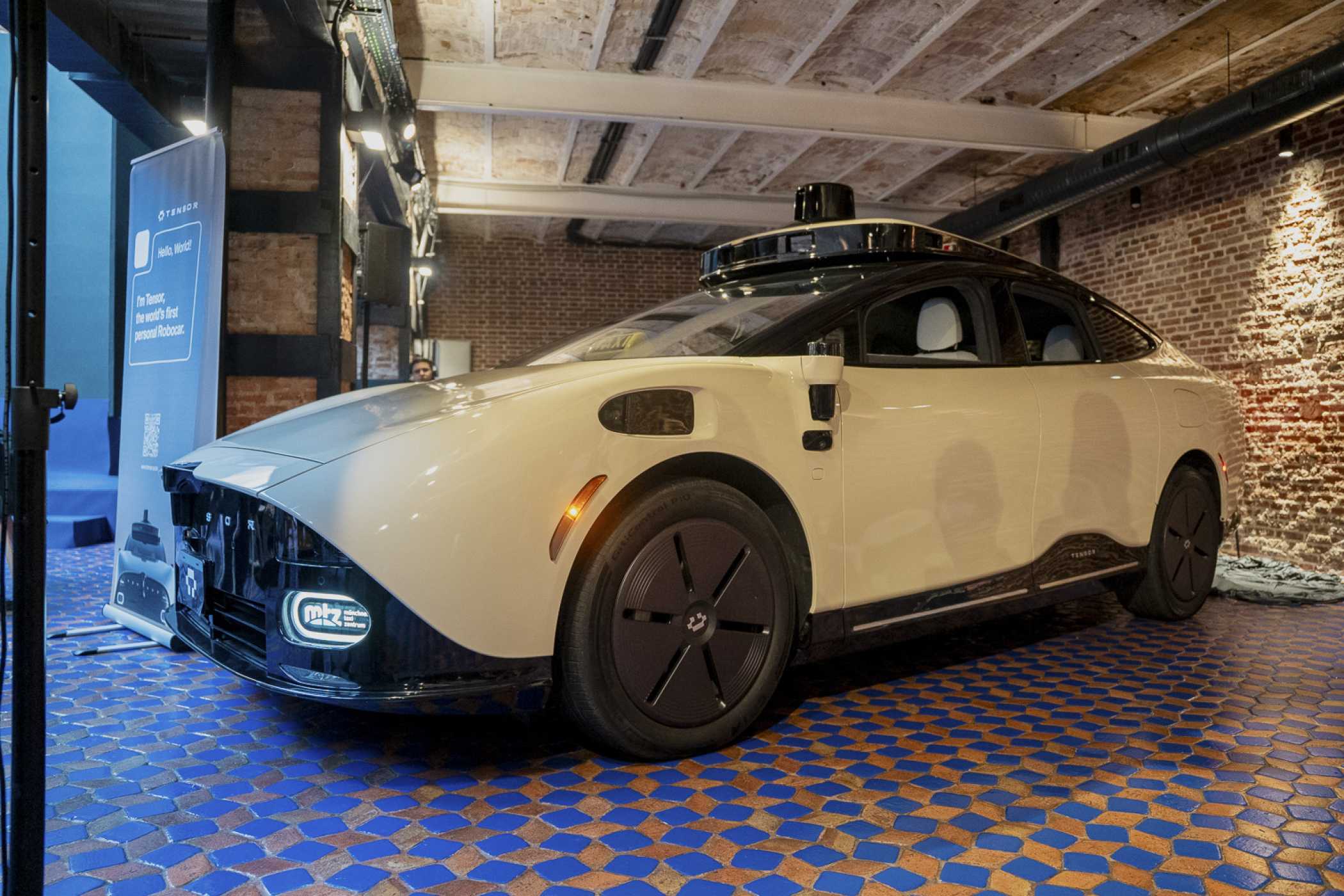

Robocar – in Munich as a taxi!
Tensor is not a traditional automaker. The 2016-founded company in Silicon Valley initially traded under the name AutoX and developed autonomous driving systems, including for robotaxis in China. According to its own statements, it has since ceased these activities and focuses on the Tensor Robocar, a vehicle designed for both private customers and commercial fleets. Unlike providers that outfit existing cars with additional sensors, Tensor develops its vehicle from the ground up for autonomous driving. According to the manufacturer, it has more than 100 sensors, including cameras, radar and LiDAR, as well as a powerful computing architecture. The concept also provides for self-cleaning sensors and automated parking. Whether these features will actually reduce idle times in daily taxi operation remains to be seen in operation.
“The taxi industry plays a leading role in bringing sustainable autonomous driving to Europe,” says MTZ managing director Gregor Beiner. “Together with Tensor, MTZ will bring autonomous vehicles to Munich's streets under its own name, with the service quality and data sovereignty that our customers trust.”
At the same time, Beiner stresses that professional drivers would remain indispensable where personal service and support are in demand.
Tensor CEO Jay Xiao sees the cooperation as a starting point for the European market. Within 24 months after market entry in Europe, according to the partners' plan, another 10,000 vehicles should be added with European operators. The Taxis 4 Smart Mobility network, to which taxi organizations from six countries belong, could help. A sale of the Robocars to private customers in Germany is also being explored.
Operating permit not yet granted
The road to putting it on the road, however, is not yet clear. Germany allows autonomous vehicles up to Level 4 in regular operation, but requires a corresponding operating permit and officially approved operating areas. A large-scale deployment cannot therefore be decided solely with a letter of intent. For taxi companies, the model could offer an alternative to platforms that control vehicles, bookings, and customer contact themselves.
The costs for acquisition and software are enormous, and the availability of the vehicles as well as the actual operating results have not yet been finally clarified. The crucial question, therefore, is not only whether a car can drive itself. But also whether a taxi company can operate economically with it. E-Taxi pioneer Gregor Beiner shows once again that he is among the industry’s pioneers – and wants to actively shape the future of the taxi business.
Content automatically translated.



Taxi-Fahrzeuge (Pkw) , Taxi-Newsletter, Taxameter, Taxi-Fahrer , BZP – Deutscher Taxi- und Mietwagenverband , Straßenverkehrsordnung (StVO) , Krankenbeförderung , Weiterbildung , Taxi-Konzessionen , Verkehrspolitik , Mietwagenbranche , Taxi-Apps , Berufskraftfahrer-Qualifikations-Gesetz BKrFQG) , Taxizentralen , Personal, Gehälter, Arbeitsschutz , Wirtschaftsnachrichten , Werbung , Taxi-Folierung , Taxi-Umrüster , Straßenverkehr , Elektromobilität, Taxifuhrpark und -flottenmanagement , Taxi-Versicherungen , Hybrid, Diesel, Erdgas , Taxi-Magazin