Ihr kostenloser Branchen-Newsletter

Lassen Sie sich von unseren Fachjournalisten einmal wöchentlich über die wichtigsten aktuellen Entwicklungen der Taxi-Branche informieren, bequem direkt in Ihre Mailbox.
Aktueller Termin

Meist gelesen
Court overturns minimum prices for Uber and Bolt in Munich.
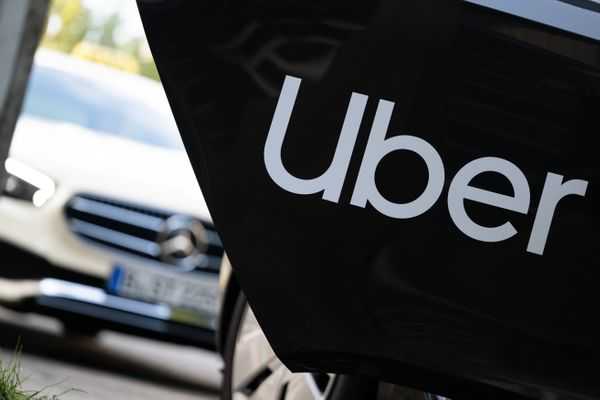
The Munich Administrative Court has scrapped minimum prices for ride-hailing services such as Uber and the like in the Bavarian state capital. The court ruled in five emergency orders that several companies do not have to temporarily comply with the minimum prices set by the City of Munich by general decree. There were five corresponding urgent applications filed by these companies. The decision in the respective main proceedings is still pending.
The general decree in effect since July provides that prices for ride services should align with the taxi tariff set by Munich by statute. This tariff currently stands at a base price of €5.90, plus €2.70 per kilometer, and this applies even to trips that originate in the city area and go outside. Previously, ride service costs were, on average, around 40 percent below taxi prices.
Court: General Decree “likely unlawful in its entirety”
“The competent chamber, applying the standards used in expedited proceedings, concluded that the general decree is likely unlawful in its entirety because the City of Munich issued it also for a region outside its jurisdiction and the unlawful part is not severable,” the court said. The minimum prices also applied to trips that started in the Munich city area and went out of it or into the city.
Customs: Ride services violated minimum wage
One reason for this: According to findings of the Munich Main Customs Office, the providers “almost across the board violated labor- and social-law provisions.” The Minimum Wage Act had also been regularly disregarded. Taxi drivers had therefore demonstrated, demanding fair competition and minimum prices.
The Federal Association wirfahren, which represents the interests of taxi and ride-hailing platforms, welcomed the decision. “As a corresponding decision on minimum prices in Cologne has already shown, municipalities exceed their competences when they want to set minimum prices for trips outside their city area,” the association said. Uber also feels vindicated. Minimum-price regulations are legally untenable, the company said. It called on the city of Munich to withdraw the general administrative order in full.
Bolt: Munich market collapsed
According to the ride-hailing provider Bolt, demand in the month after the regulation change fell by 44 percent. "Within a few weeks, this wiped out almost an entire year of market growth," the company said. "At the same time, around 40,000 rides did not take place at all - a sign that many people, in light of higher prices, have completely done without this mobility option."
The Munich district administrative office (KVR) had conducted spot checks to see whether the regulation was being followed - but, due to ongoing court proceedings, did not disclose the outcome. According to Freenow's "Market Observation," around 50 percent of the offered rides did not adhere to the statutory minimum price and illegally undercut it. There are clear differences between providers.
Taxi companies had, however, told the city that the effects of the minimum fares were "slightly noticeable" for taxi companies, according to the KVR. The taxi intermediary Freenow, by contrast, speaks of a "clear, positive effect on the traditional taxi trade."
The Wirfahren Association welcomes the decision
The Wirfahren Association criticized the introduction of minimum prices overall: "They create substantial legal uncertainty, thereby endangering jobs and entrepreneurial livelihoods in the car rental sector." In addition, citizens would be burdened. "The city of Munich should take the decision as an opportunity to reopen talks about solutions for the challenges of urban traffic, rather than relying on invasive market interventions such as minimum prices."
There have also been lawsuits in Leipzig and Cologne against restrictions for ride services like those in Munich.
Content automatically translated.


Taxi-Fahrzeuge (Pkw) , Taxi-Newsletter, Taxameter, Taxi-Fahrer , BZP – Deutscher Taxi- und Mietwagenverband , Straßenverkehrsordnung (StVO) , Krankenbeförderung , Weiterbildung , Taxi-Konzessionen , Verkehrspolitik , Mietwagenbranche , Taxi-Apps , Berufskraftfahrer-Qualifikations-Gesetz BKrFQG) , Taxizentralen , Personal, Gehälter, Arbeitsschutz , Wirtschaftsnachrichten , Werbung , Taxi-Folierung , Taxi-Umrüster , Straßenverkehr , Elektromobilität, Taxifuhrpark und -flottenmanagement , Taxi-Versicherungen , Hybrid, Diesel, Erdgas , Taxi-Magazin