


VISION mobility kostenlos Probelesen

Die Zeitschrift VISION mobility richtet sich an mobilitätsbegeisterte Menschen bzw. Flottenmanager und begleitet den Technologiewandel in Sachen Automotive und Mobilität.
Aktueller Termin

Meist gelesen
BVTM on the Coalition Agreement: Federal Government Must Deliver
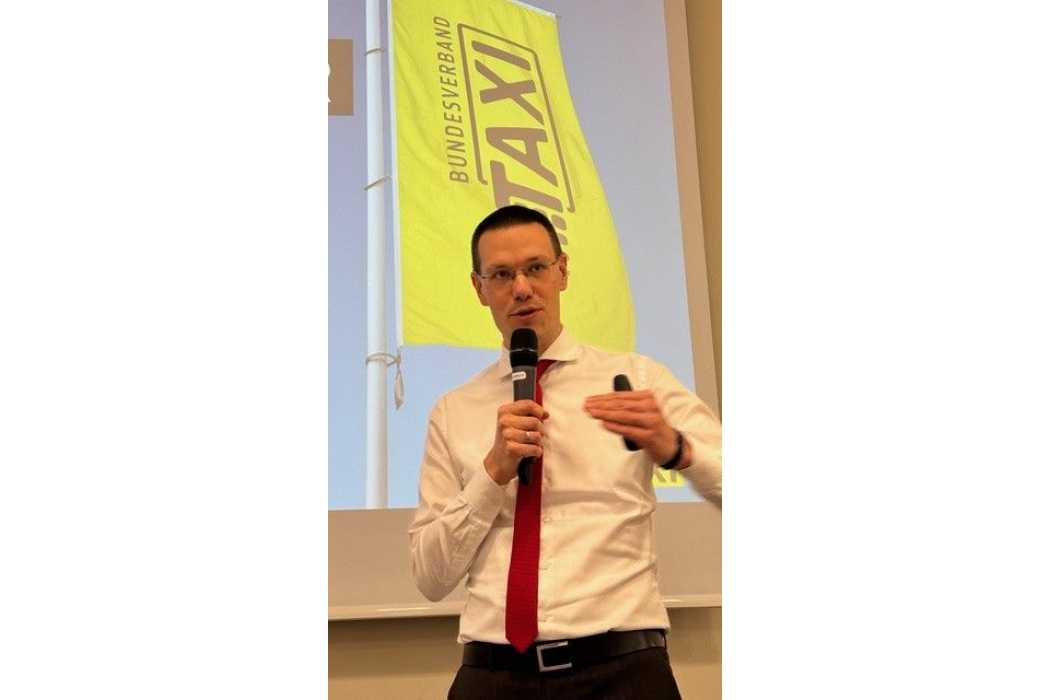
Now the federal government must deliver, explains the managing director of the BVTM, Michael Oppermann. The new federal government will have to be measured by whether it gets the economy back on track and noticeably relieves households.
"Only if this is achieved quickly will the taxi and rental car industry in Germany have a sustainable economic foundation," Oppermann continued.
The association's proposals for improvements in passenger transport law are not found in the coalition agreement.
"Unfortunately, the cities and districts cannot expect help from the new federal government: They will have to regulate the taxi and rental car market with the existing - in some places inadequate - rules," explains Oppermann. "Fortunately, we can see clear progress here, particularly in the introduction of minimum transport fees in major cities."
The association does not want to completely release the federal policy from responsibility. By the time of the evaluation by mid-2026 at the latest, the federal government will have to deal with the applicability of the PBefG again, Oppermann warns.
The federal association views the planned measures to promote electromobility positively—a demand of the federal association. They welcome the extension of the vehicle tax exemption for e-cars until 2035 and the increase in the gross list price cap so that larger vehicles are also promoted. According to BVTM, the planned relief in electricity tax is also positively noted. What is missing is a targeted funding directive for e-taxis that should tailor the transformation in the industry. The association will continue to advocate for this.
Overall, Oppermann notes that the word "taxi" does not appear in the coalition agreement.
"We have succeeded with our arguments in ensuring that the coalition has not followed the deregulation and disruption fantasies of the large platforms. However, I also miss a positive recognition of the important role that the mobile business plays in providing public services in cities and rural areas. We organize mobility from person to person and are a key factor for the mobility of the elderly and the sick, for a modern and demand-oriented public transport, and for livable cities and villages," comments Oppermann.
The industry representative calls the future federal government's plans to raise the minimum wage to 15 euros by 2026 "ambitious."
Content automatically translated."If the federal government drives our costs up by around 15 percent, then it will also have to ensure that our customers have 15 percent more money in their wallets. So the bar is set pretty high. But the federal government has set it there themselves. The federal government must deliver. We will quickly seek constructive dialogue and support the new government with practical knowledge and market expertise."





Taxi-Fahrzeuge (Pkw) , Taxi-Newsletter, Taxameter, Taxi-Fahrer , BZP – Deutscher Taxi- und Mietwagenverband , Straßenverkehrsordnung (StVO) , Krankenbeförderung , Weiterbildung , Taxi-Konzessionen , Verkehrspolitik , Mietwagenbranche , Taxi-Apps , Berufskraftfahrer-Qualifikations-Gesetz BKrFQG) , Taxizentralen , Personal, Gehälter, Arbeitsschutz , Wirtschaftsnachrichten , Werbung , Taxi-Folierung , Taxi-Umrüster , Straßenverkehr , Elektromobilität, Taxifuhrpark und -flottenmanagement , Taxi-Versicherungen , Hybrid, Diesel, Erdgas , Taxi-Magazin







