2 Ausgaben kostenlos für Sie

Fachmagazin taxi heute: Ihr Zugang zu exklusiven Inhalten rund um die Taxi- und Mietwagenbranche.
Aktueller Termin

Meist gelesen
Tesla FSD in Europe: EU Delays Decision on Autonomous Driving System
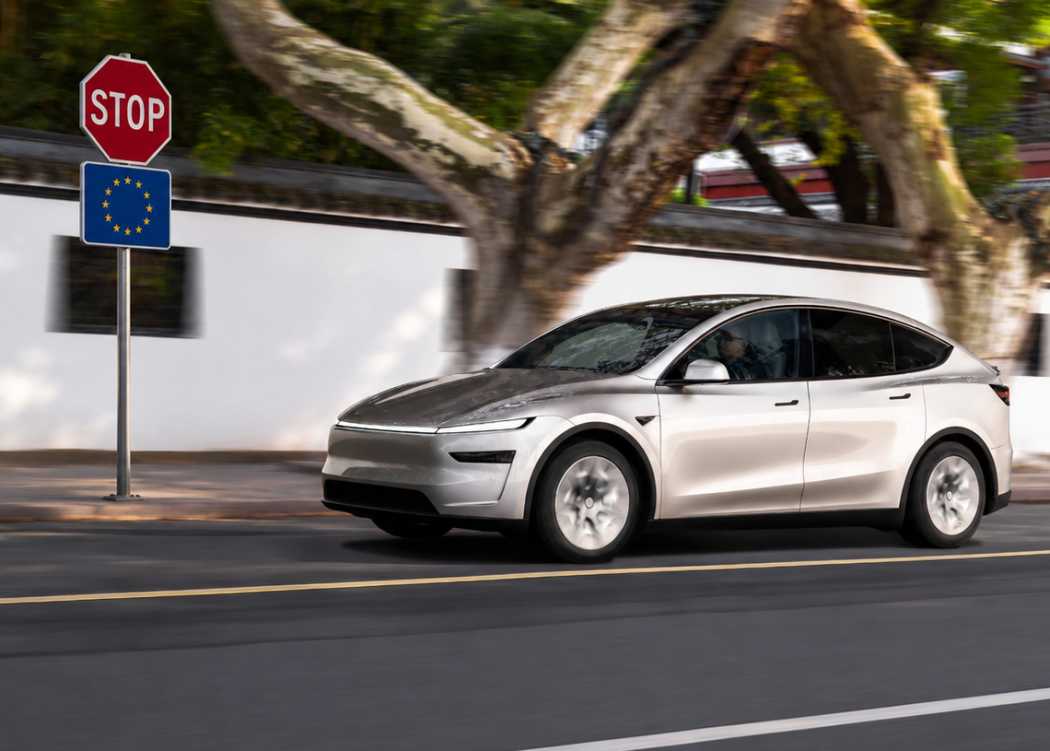
The introduction of highly automated driving functions in Europe remains a political and regulatory heavy lift. The European Union has again postponed the decision on a possible approval of Tesla's driver-assistance system "Full Self-Driving (Supervised)" (FSD). Rather than holding a vote, the Technical Committee for Motor Vehicles (TCMV) is to continue examining the application in early October.
According to the trade publication Automotive News, at the meeting on October 6 only a continuation of the discussion is expected. For a vote on the Dutch application for EU-wide approval, only 25 minutes are scheduled according to the current agenda. Observers therefore expect a decision no earlier than the next regular session in December.
Dutch push for EU-wide approval
The starting point of the procedure is the Dutch vehicle authority RDW. It had already approved Tesla's FSD system in April. Belgium and other states joined this assessment. Now the RDW is pursuing EU-wide recognition of the software on the basis of Article 39 of the relevant EU regulations. Tesla itself had signaled in early September that a vote could already take place in October. Accordingly, the reaction from CEO Elon Musk to the news of the delay was correspondingly brief. On his platform X he commented on the development with a single word: "Sigh".
Approval is by no means certain
The postponement shows that approval within the European Union is by no means regarded as a mere formality. The application was already discussed in two earlier meetings of the TCMV. Apparently there are still questions that, from the perspective of individual member states, must be clarified. For approval, a simple majority is not enough. What is required is a so-called qualified majority. At least 15 of the 27 member states must approve and simultaneously represent 65 percent of the EU population. This procedure is intended to ensure that far-reaching technical decisions are made on a broad political basis.
Safety concerns remain central
One of the most critical points is the question of how the system behaves in European road traffic. According to media reports, representatives from Sweden among others have expressed concerns that the system could exceed speed limits. In the countries that have already approved FSD, legal responsibility nevertheless remains with the driver. Despite the name, it is not fully autonomous driving. The driver must continuously monitor the traffic and be able to intervene at any time.
Significance for the taxi and rental-car sector
For the taxi and rental-car industry, the debate has particular significance. Although Tesla's FSD system is currently not yet an autonomous taxi service, the discussion shows how intensively Europe is working on the regulatory foundations for automated mobility. The current delay also makes clear that there remains a significant gap between technical feasibility and regulatory approval. Especially in Europe, questions of road safety and legal responsibility remain at the center. Before vehicles may take on more driving tasks in the future, the member states apparently want to know exactly under what conditions this will happen.
For Tesla, that means waiting. The path to automated driving in Europe will not be determined solely by software developers, but also by authorities, lawmakers, and safety requirements.
Content automatically translated.


Taxi-Fahrzeuge (Pkw) , Taxi-Newsletter, Taxameter, Taxi-Fahrer , BZP – Deutscher Taxi- und Mietwagenverband , Straßenverkehrsordnung (StVO) , Krankenbeförderung , Weiterbildung , Taxi-Konzessionen , Verkehrspolitik , Mietwagenbranche , Taxi-Apps , Berufskraftfahrer-Qualifikations-Gesetz BKrFQG) , Taxizentralen , Personal, Gehälter, Arbeitsschutz , Wirtschaftsnachrichten , Werbung , Taxi-Folierung , Taxi-Umrüster , Straßenverkehr , Elektromobilität, Taxifuhrpark und -flottenmanagement , Taxi-Versicherungen , Hybrid, Diesel, Erdgas , Taxi-Magazin