VISION mobility kostenlos Probelesen

Die Zeitschrift VISION mobility richtet sich an mobilitätsbegeisterte Menschen bzw. Flottenmanager und begleitet den Technologiewandel in Sachen Automotive und Mobilität.
Aktueller Termin

Meist gelesen
Lexus ES in Taxi-Heute test: Why the new Lexus is more convincing as an electric car than as a hybrid
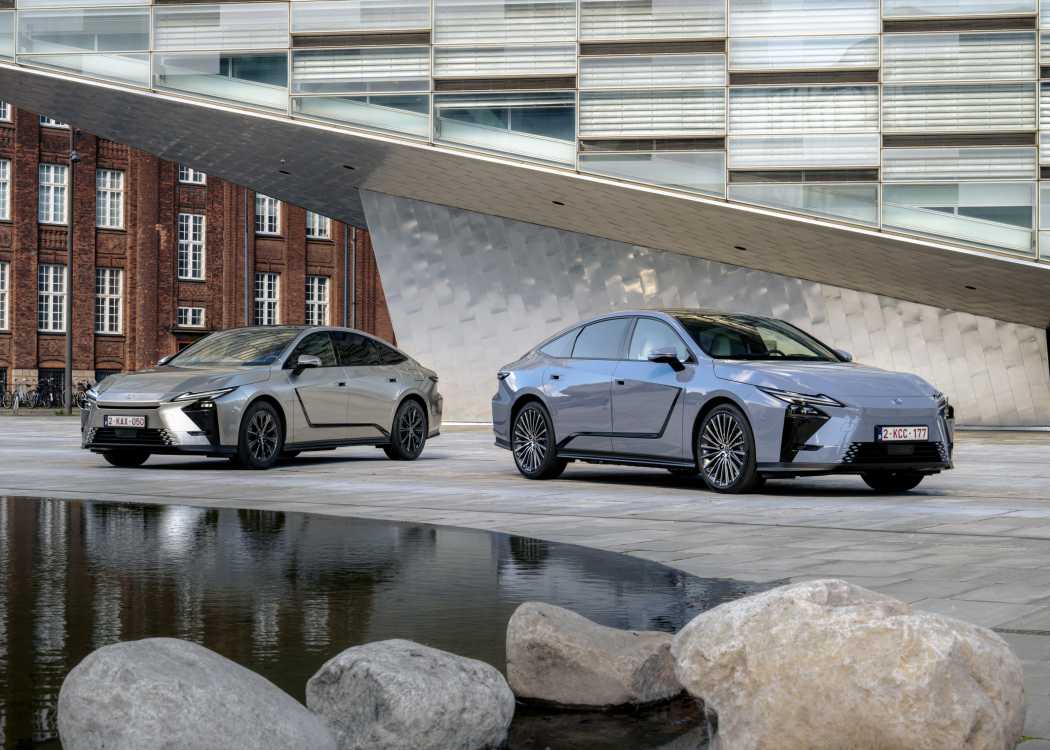
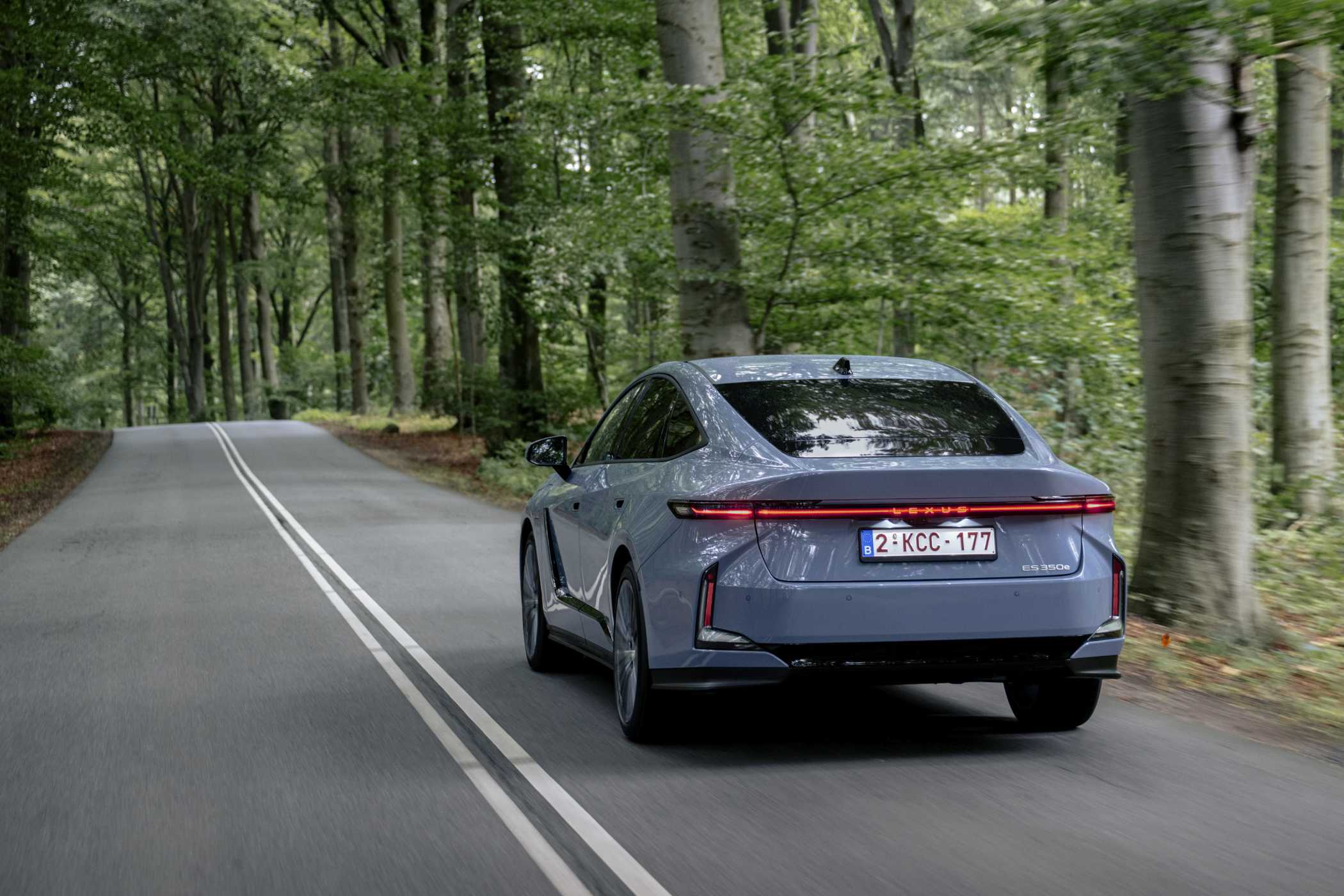
There are cars that make a splash with superlatives – the largest battery, the greatest range, the largest grille. And there are vehicles like the new Lexus ES. The eighth generation of the Japanese business sedan does not try to attract attention through performance extravagances or technical records. Instead, Lexus relies on a philosophy that the designers describe as “provocative simplicity.” A term that initially sounds like a contradiction, but one understands it once you stand in front of the 5.14-meter-long vehicle.
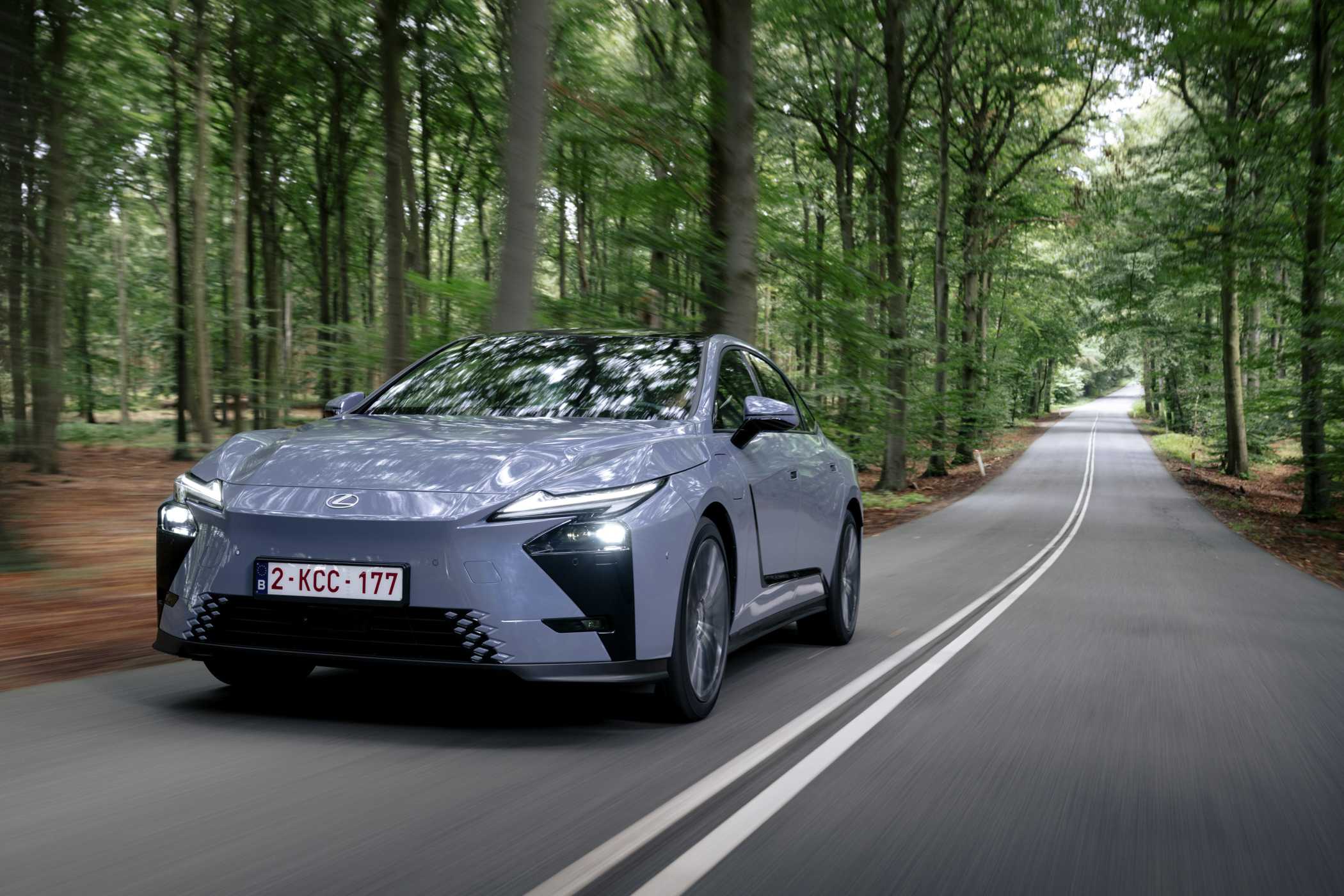
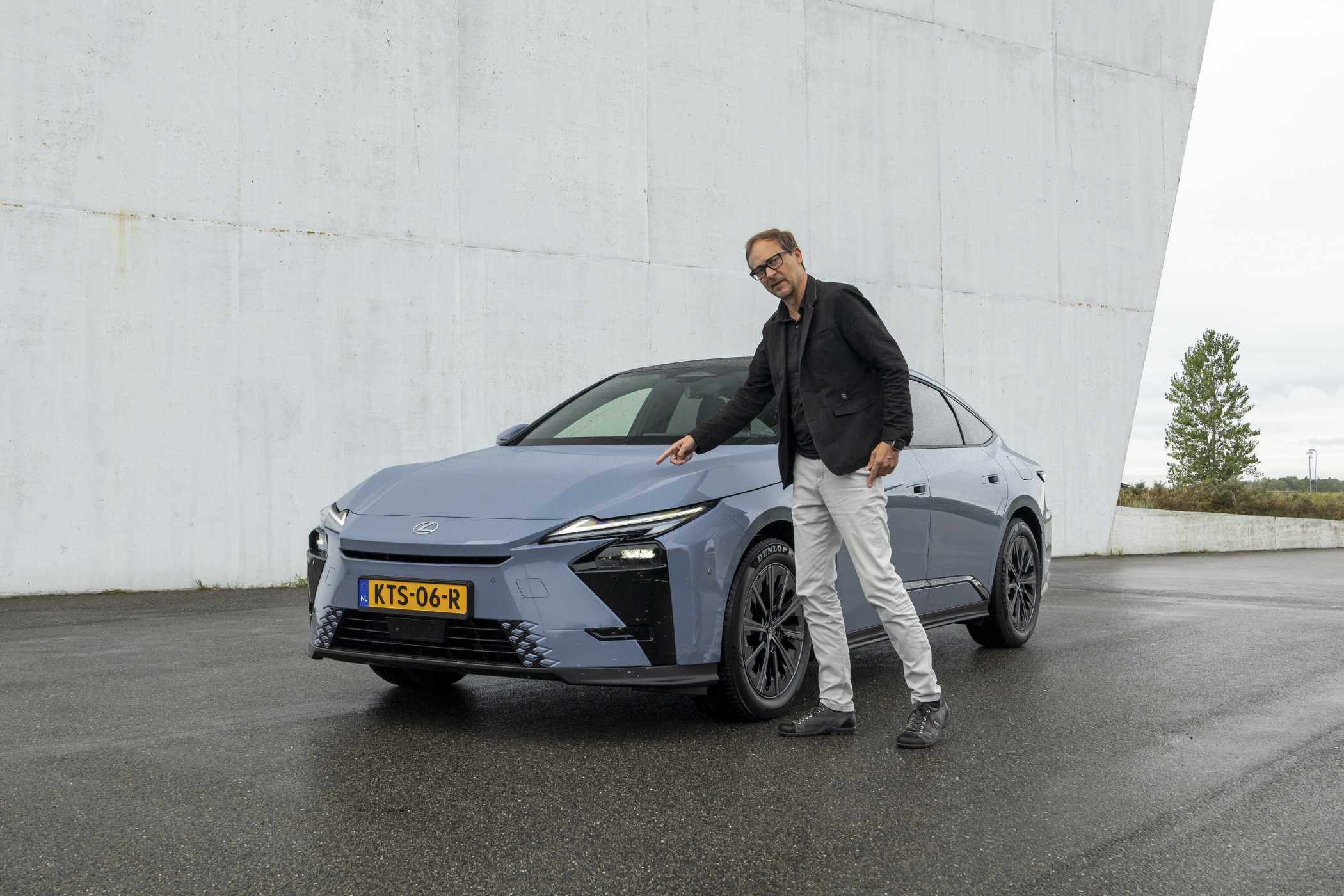
The ES has parted ways with the conservative representative of the Japanese upper class. The lines have become smoother, the surfaces larger, the front end appears reduced. Not everyone will like this new design language. But that is precisely the provocation: Lexus no longer tries to copy German premium sedans. That is bold. After all, the ES moves in a market shaped by the Audi A6, BMW 5 Series, and Mercedes E-Class. And exactly there Lexus intends to play a much more prominent role going forward.
Car for the World
The new ES is a global vehicle. Lexus will offer it in more than 80 markets. Accordingly, the powertrain options are broad. While Europe becomes increasingly electrified, the hybrid drive remains the preferred solution in many regions. For Germany, Lexus expects mainly business customers. Around 80 percent of buyers traditionally come from the commercial sector. Leasing terms, operating costs and long-term quality are therefore important.
Interesting is the pricing strategy: Both the ES 300h Hybrid and the ES 350e plug-in start at €59,600 each. Commercial customers can lease both variants for €519 net per month without a down payment. Private customers pay €555 gross per month with a down payment of €2,500. For Lexus, this is a noteworthy step. The brand does not push its customers into a particular (drivetrain) direction through price. The decision is driven solely by the product.















Interior: Quiet as Luxury
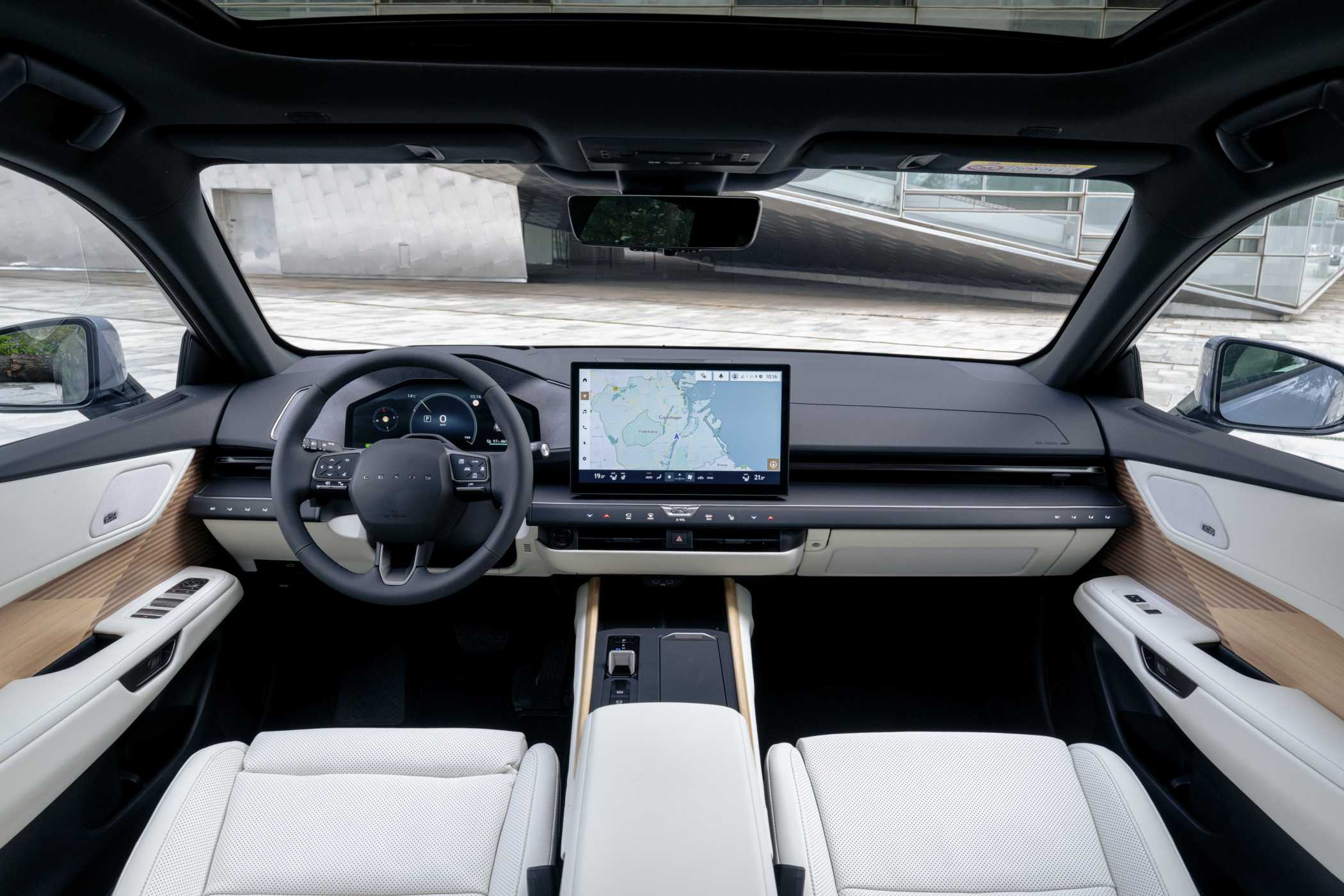
When you step in, you first experience what Lexus has been better at for years than many competitors: atmosphere. The interior feels uncluttered, premium, and free from hectic digital staging. There are large screens here as well, but they do not dominate the space completely.
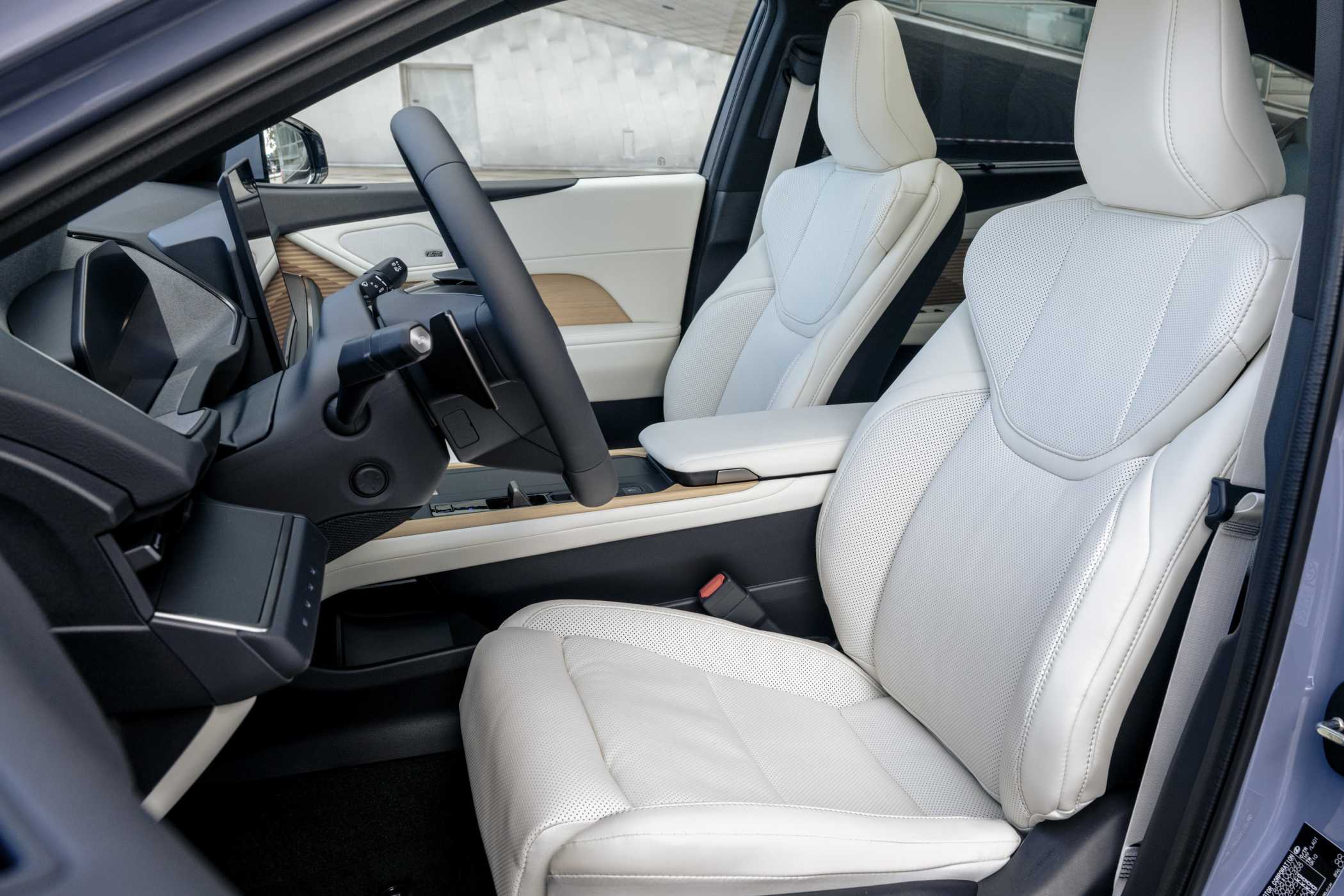
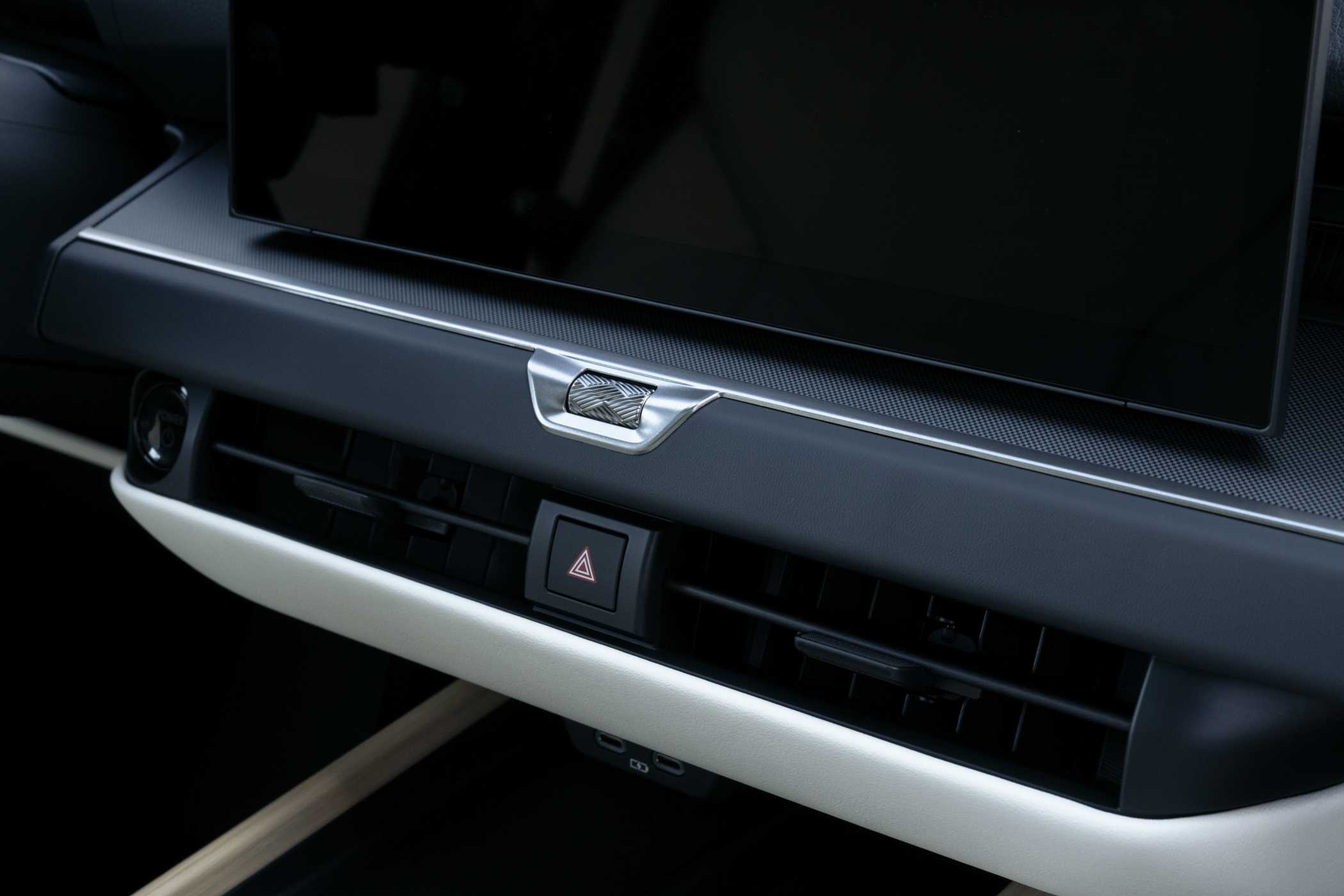
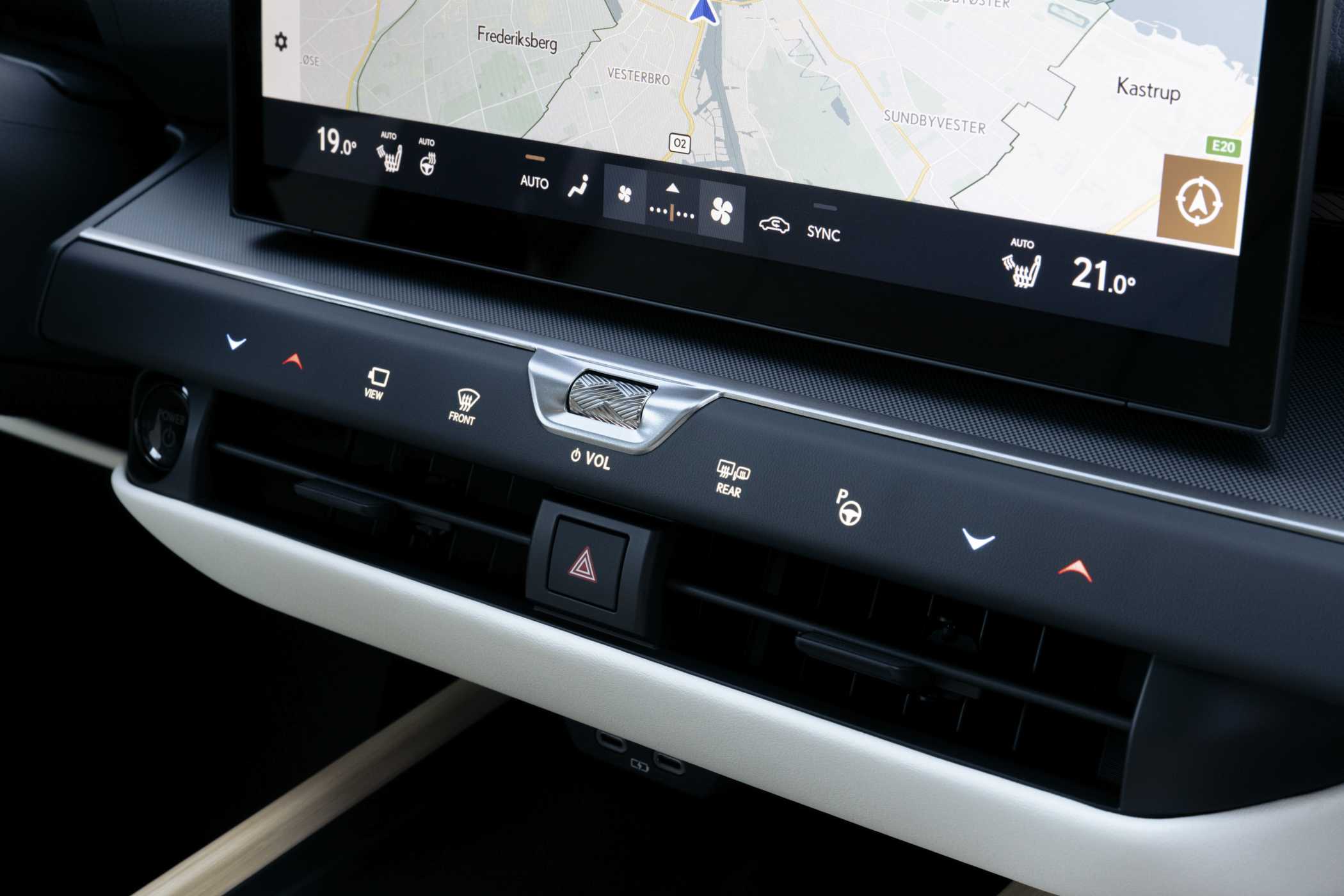
Particularly well executed are the so-called "Hidden Switches." Climate controls remain invisible when the system is off and only appear after startup. This comes across less as a technical gimmick than as an elegant answer to the widespread touchscreen overload of modern vehicles. The material quality is convincing as well. Construction and haptics operate at a level that many German premium manufacturers currently do not consistently reach. Add to that exceptionally comfortable seats and a steering wheel that belongs to the most pleasant in its class.
Even more impressive, however, is the amount of space. The 16.5-centimeter longer ES offers executive-class rear-seat space. Especially for chauffeur services, limousine services, or later taxi and ride-hailing deployments, the vehicle could be interesting. Passengers find ample leg and knee room. Lexus even offers a reclining seat with an extendable ottoman (though initially only in the BEV variant).
Comfort Benchmark
The real strength of the ES, however, reveals itself only after you start driving. Rarely does a manufacturer manage to balance ride comfort and precision so harmoniously. The newly tuned platform with a multi-link rear axle, additional chassis stiffness, and significantly improved noise isolation pays off. The Lexus cushions with a calm, composed ride that has become rare on German roads. Expansion joints, frost heaves, and potholes lose their drama. The vehicle glides over them without feeling mushy.
Notably, the quietness inside is remarkable. Even at highway speeds, the ES remains exceptionally quiet. Wind noise hardly penetrates, and the suspension operates almost silently. Here, the Lexus is more reminiscent of classic luxury sedans than of modern business vehicles.
Electric or Hybrid?
And with that we come to the crucial question. Which drivetrain suits the ES better?
After test drives with both variants, the answer is surprisingly clear: the electric drivetrain. In fact, the hybrid should be the more sensible choice. After all, Lexus has been regarded as a hybrid specialist for decades. The sixth generation of the full-hybrid system combines a 2.5-liter gasoline engine with an electric motor and achieves a system output of 196 hp. Our consumption during the test drives in Denmark was around 5.7 liters per 100 kilometers. The problem does not lie in the consumption, but in the character. The hybrid drives competently, but never truly confidently. The well-known interplay of the four-cylinder engine and CVT transmission seems strained during strong accelerations. The noise level does not fit the vehicle's high level of comfort.
The electric ES 350e does it better. With 224 hp it is also not a performance leader in its class. Nevertheless, the vehicle appears more harmonious, calmer and higher quality. The electric motor simply fits better with the ES's relaxed nature. Particularly impressive is the efficiency. During our test drives, the consumption moved at only 14.6 kWh per 100 kilometers. That is a remarkably good value for a vehicle over five meters long. Lexus equips it with a comparatively small battery for this vehicle size. In the ES 350e there are 72 kWh usable, while the all-wheel-drive Lexus ES 500e has 71 kWh. The range nevertheless is not lavish, at 525 – 581 kilometers (WLTP for the ES 350e) and 494 – 529 (WLTP for the ES 500e), but practical for everyday use.
Charging power remains a mystery
Lexus restricts DC charging power to a maximum of 150 kW. On the AC side, however, up-to-date 22 kW are possible. The decision seems unusual. In a vehicle class where Audi, BMW or Mercedes now offer significantly higher charging powers, the limitation appears conservative. Even Lexus concedes upon inquiry that the technical basis could fundamentally allow more.
The official justification is that they sought the best combination of range, efficiency and cost. That may be plausible from a global perspective. For German company-car drivers who regularly drive long distances, the question remains why a new electric car of model year 2026 cannot do more. After all, the charging process from ten to 80 percent is supposed to take around 28 minutes.
Interesting for taxis and rental cars
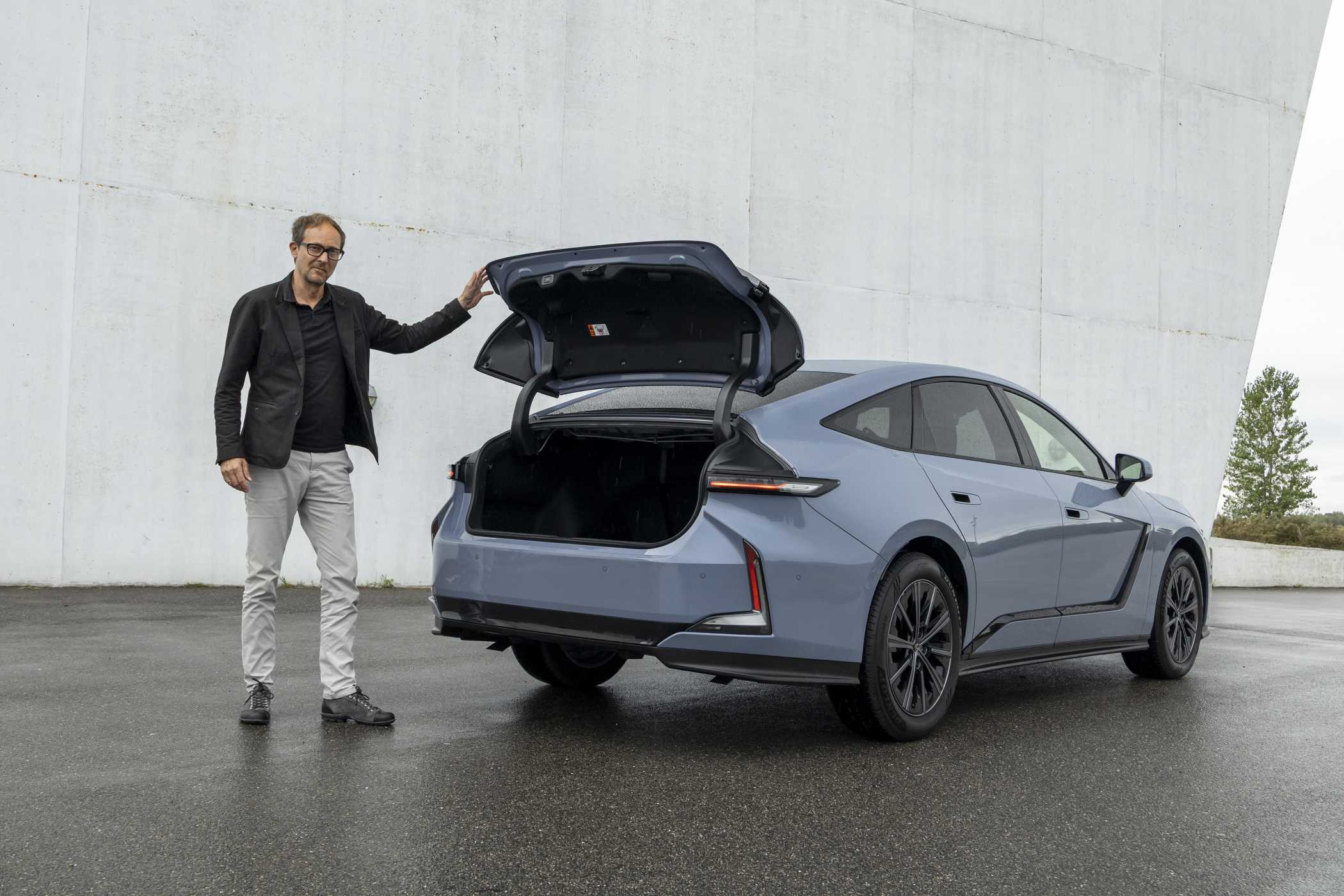
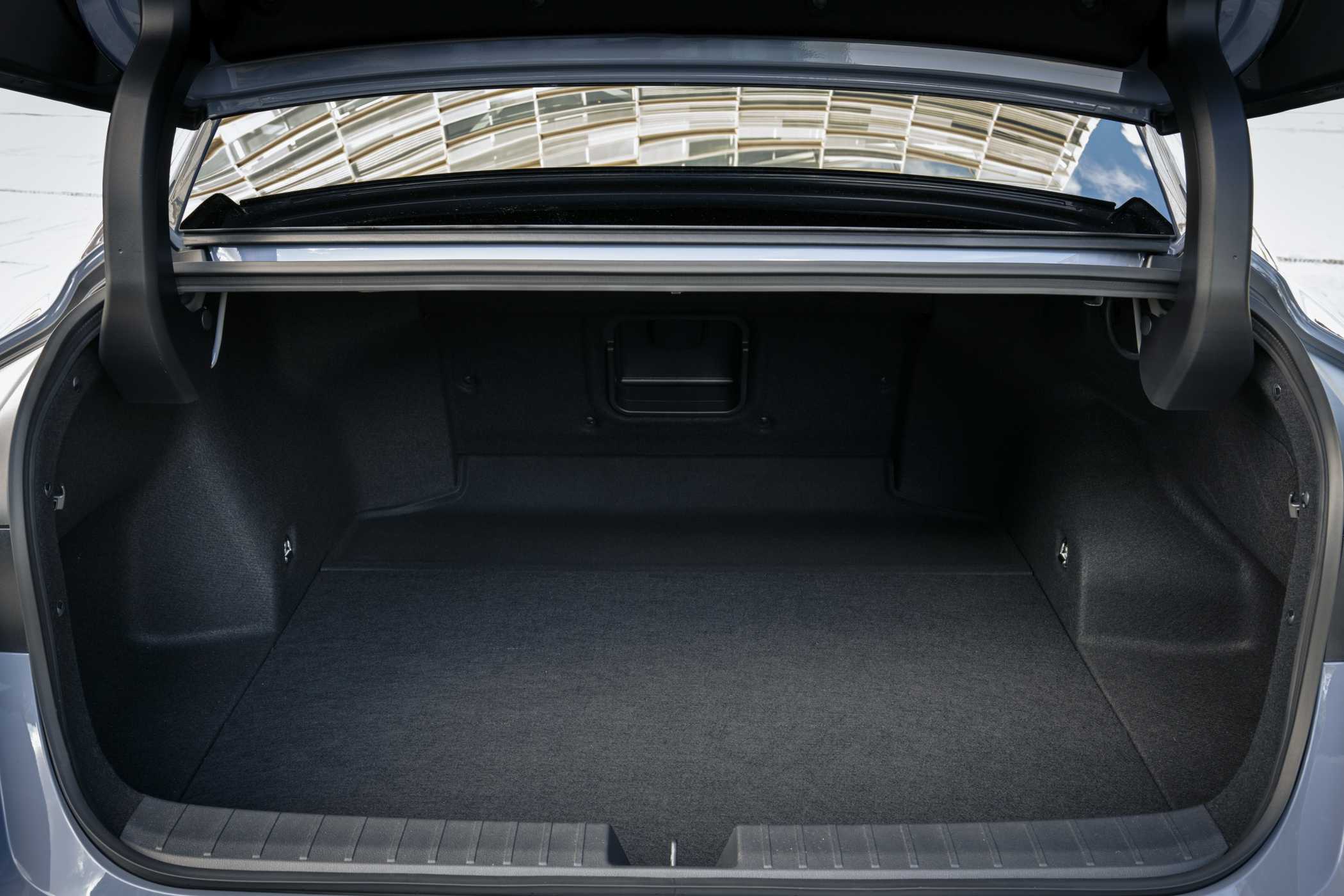
For the passenger transport industry, the ES could become an exciting alternative in the future. The enormous trunk space, the excellent seats, the low energy consumption, and the long warranty speak for it. Lexus offers up to 15 years or 250,000 kilometers warranty for both hybrid and electric versions – including the high-voltage battery.
Especially for taxi companies and rental-car operators this is a strong argument. In addition, the brand's pronounced culture of reliability stands out. While many competitors are weaving ever more complex technology packages, Lexus continues to focus on durability and usability. That the previous ES in Germany in 2025 attracted only around 300 buyers is likely to change with the new generation. The electric variant hits the zeitgeist much better than its predecessor.
Whisper-quiet business sedan
The new Lexus ES is not a car for people who constantly want to discuss performance figures or charging times. It is a vehicle for drivers who cover a lot of kilometers every day and are primarily seeking one thing: quiet.
As a hybrid, the ES remains a solid offering. As an electric car, however, it reveals its real strength. The silent propulsion harmonizes perfectly with the exceptional suspension comfort, the high-quality workmanship, and the generous interior space. The limited fast charging power prevents the ES from becoming a benchmark in its class. Yet Lexus achieves something remarkable: the Japanese build a business limousine that consciously differs from the German competitors. Not through more power. Not through more displays.
But through serenity. And exactly that could be 2026's strongest selling point.
Content automatically translated.


Taxi-Fahrzeuge (Pkw) , Taxi-Newsletter, Taxameter, Taxi-Fahrer , BZP – Deutscher Taxi- und Mietwagenverband , Straßenverkehrsordnung (StVO) , Krankenbeförderung , Weiterbildung , Taxi-Konzessionen , Verkehrspolitik , Mietwagenbranche , Taxi-Apps , Berufskraftfahrer-Qualifikations-Gesetz BKrFQG) , Taxizentralen , Personal, Gehälter, Arbeitsschutz , Wirtschaftsnachrichten , Werbung , Taxi-Folierung , Taxi-Umrüster , Straßenverkehr , Elektromobilität, Taxifuhrpark und -flottenmanagement , Taxi-Versicherungen , Hybrid, Diesel, Erdgas , Taxi-Magazin