VISION mobility kostenlos Probelesen

Die Zeitschrift VISION mobility richtet sich an mobilitätsbegeisterte Menschen bzw. Flottenmanager und begleitet den Technologiewandel in Sachen Automotive und Mobilität.
Aktueller Termin

Meist gelesen
No minimum price in Leipzig - when cities capitulate

Ride-hailing services like Uber and Bolt can continue to operate largely unregulated in a market already characterized by imbalances. What appears to be a local political decision in a specific case has the potential to become a nationwide blaze.
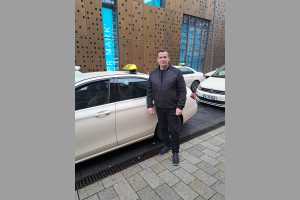
Patrick Meinhardt, CEO of the Taxi and Rental Car Association (TMV), captures the frustration of many entrepreneurs: Leipzig has unnecessarily relinquished the steering wheel. The city, once charged with a spirit of resistance, today sends a signal of capitulation. Instead of setting the framework for fair competition, they are letting market forces run rampant.
"The reputable taxi and rental car industry has zero understanding for Leipzig's giving in to Uber & Co. By forgoing minimum tariffs for private ride-hailing services, the once heroic city sends a fatal signal for all of Germany," said Meinhardt. "The decision-makers in Leipzig's city hall should take an example from Heidelberg, where minimum prices for the rental car traffic have been in effect since August 1. I can only hope that Leipzig reconsiders and doesn't surrender the field without a fight."
Municipalities are not using their opportunities
Since the amendment of the Passenger Transportation Act in 2021, cities are allowed to set minimum prices for rental cars—a choice municipalities can use, but are not obliged to. While Heidelberg is the first city to take advantage of this option, Leipzig consciously refrains from it. The consequence: while statutory tariffs still apply to taxis, Uber rides can be offered at prices that are far below the taxi tariff.
This not only creates economic pressure on taxi companies but also raises questions about public services. After all, tariff commitment is not least a protective mechanism for employees, quality, and reliability—especially where rides do not only occur during peak times in the city center but also at night, in the surrounding areas, or for people with mobility impairments.
Call for Orientation
The TMV is now demanding clearer guidelines from Berlin. The municipalities have been left alone with the new freedom of design – this either leads to regulatory standstill or decisions like the one Leipzig has now made. It is clear: whoever wants to introduce minimum prices must secure themselves legally, argue economically, and assert themselves politically against resistance. All of this presupposes that the federal and state governments provide reliable advice and support.
The pressure in the industry is growing. Competition from platform providers has long been a reality, but without uniform regulations, the lowest common denominator threatens to dominate: whoever offers the cheapest ride wins – regardless of the conditions.
More than a Local Detail
Leipzig's decision may have been made locally, but it has nationwide significance. For this reason alone, it carries weight. It raises the question of how much regulation new mobility needs – and who is willing to enforce it. If municipalities withdraw because the legal and political hurdles seem too high, it is not a sign of pragmatism but of uncertainty. For a trade that has been caught between tradition and transformation for years, this is a dangerous signal.
A look at Heidelberg shows that it can be done differently. The city has not only taken a step but also set a precedent. It remains to be hoped that Leipzig will reconsider – and that Berlin will no longer remain silent.
Content automatically translated.


Taxi-Fahrzeuge (Pkw) , Taxi-Newsletter, Taxameter, Taxi-Fahrer , BZP – Deutscher Taxi- und Mietwagenverband , Straßenverkehrsordnung (StVO) , Krankenbeförderung , Weiterbildung , Taxi-Konzessionen , Verkehrspolitik , Mietwagenbranche , Taxi-Apps , Berufskraftfahrer-Qualifikations-Gesetz BKrFQG) , Taxizentralen , Personal, Gehälter, Arbeitsschutz , Wirtschaftsnachrichten , Werbung , Taxi-Folierung , Taxi-Umrüster , Straßenverkehr , Elektromobilität, Taxifuhrpark und -flottenmanagement , Taxi-Versicherungen , Hybrid, Diesel, Erdgas , Taxi-Magazin