VISION mobility kostenlos Probelesen

Die Zeitschrift VISION mobility richtet sich an mobilitätsbegeisterte Menschen bzw. Flottenmanager und begleitet den Technologiewandel in Sachen Automotive und Mobilität.
Aktueller Termin

Meist gelesen
Fuel discount 2026: Relief at the pump is already melting away after only a few days.
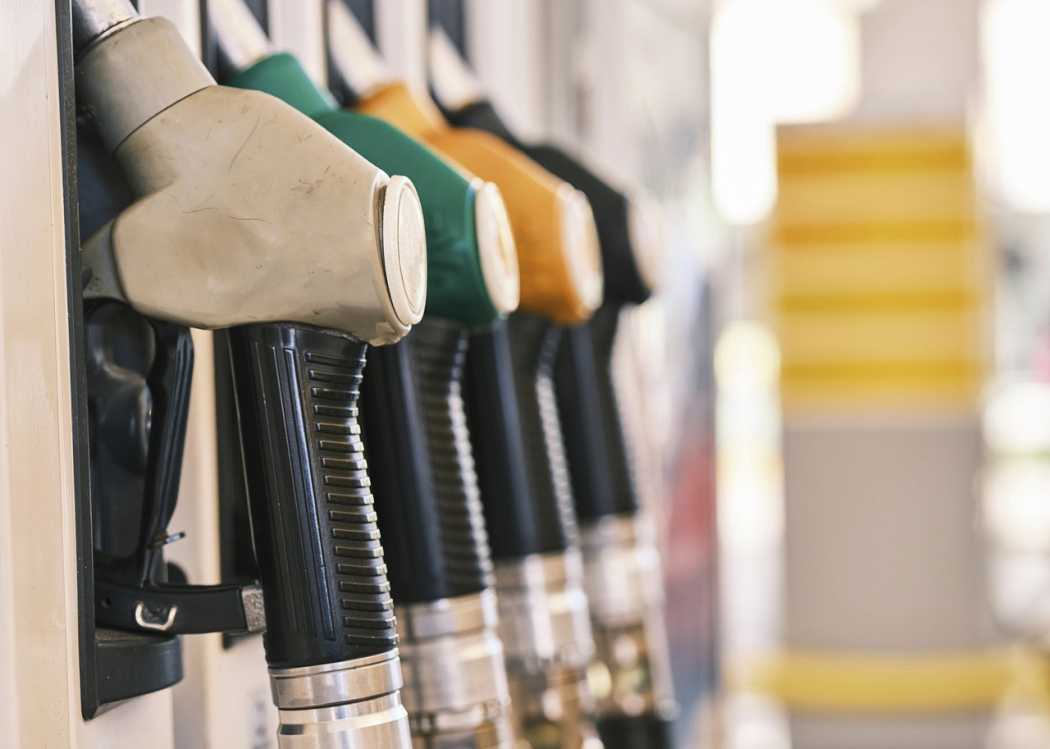
Barely introduced, the 2026 tank discount is already under scrutiny again. The government had reduced the energy tax on gasoline and diesel as of October 1 to ease motorists after a record month for fuel prices. But the joy over cheaper prices at the pump seems to be short-lived.
At the start of the measure, the effect was clearly visible. At many gas stations, the price for Super E10 fell within a few hours by around ten to eleven cents per liter. In some cases, E10 was even offered again for less than two euros per liter. Drivers could benefit from the lower prices, especially in cities such as Munich, Stuttgart, or Leipzig. But already a few days later, a different picture emerged. According to ADAC, a liter of Super E10 cost an average of €2.137 nationwide on Sunday. That was 2.3 cents higher than on Thursday, immediately after the introduction of the tank discount. Diesel also rose again and averaged €2.253 per liter.
How much reaches the consumer?
The automobile club therefore draws a sobering interim conclusion.
“Thus, part of the initial relief effect has already been partially eroded again within a few days,” explained the ADAC.
The energy tax cut had initially led to falling prices, but the relief is already melting away again. Consumer protection advocates and motorists view the development in gasoline with particular concern. For the latest price increase for Super E10 there is currently no obvious explanation. Neither the oil price nor the euro-dollar exchange rate has changed significantly in recent days. From ADAC's perspective, the renewed rise is therefore “hard to understand”.
There is also an old debate: How much of the government tax relief actually reaches customers? The energy tax was reduced by 16.7 cents per liter. Just one day after the introduction of the tank discount, the ADAC had already pointed out that the relief had not been fully passed on to motorists and that there was still room for lower prices. The oil industry regularly rejects this accusation and emphasizes that the tax cut is generally passed on. However, at the same time numerous factors influence price formation—from crude oil prices to exchange rates to regional competitive conditions. Therefore, the actual impact of the tank discount is difficult to quantify precisely.
Hardly any relief for the taxi industry
For the taxi industry, the development is of particular importance. Fuel costs, behind personnel and vehicle costs, are among the largest expense items for many businesses. Every price fluctuation directly affects profitability. Business owners monitor developments at the pumps closely. The tank discount should actually provide planning certainty. A few days after its start, however, it becomes clear: The measure provides temporary relief, but does not shield from the fluctuations of a tight energy market.
The real message of the tank discount a few days after its start is not “Refueling will be cheaper”, but “Refueling remains expensive”. Especially for taxi and rental-car operations, which see every liter of fuel reflected in their balance sheets, this is a sobering realization. The relief comes – and disappears almost as quickly again.
Content automatically translated.


Taxi-Fahrzeuge (Pkw) , Taxi-Newsletter, Taxameter, Taxi-Fahrer , BZP – Deutscher Taxi- und Mietwagenverband , Straßenverkehrsordnung (StVO) , Krankenbeförderung , Weiterbildung , Taxi-Konzessionen , Verkehrspolitik , Mietwagenbranche , Taxi-Apps , Berufskraftfahrer-Qualifikations-Gesetz BKrFQG) , Taxizentralen , Personal, Gehälter, Arbeitsschutz , Wirtschaftsnachrichten , Werbung , Taxi-Folierung , Taxi-Umrüster , Straßenverkehr , Elektromobilität, Taxifuhrpark und -flottenmanagement , Taxi-Versicherungen , Hybrid, Diesel, Erdgas , Taxi-Magazin