VISION mobility kostenlos Probelesen

Die Zeitschrift VISION mobility richtet sich an mobilitätsbegeisterte Menschen bzw. Flottenmanager und begleitet den Technologiewandel in Sachen Automotive und Mobilität.
Aktueller Termin
Meist gelesen
Fixed taxi fares on the rise: Freenow launches in Heidelberg, Dachau, Erding, Freising and Amberg
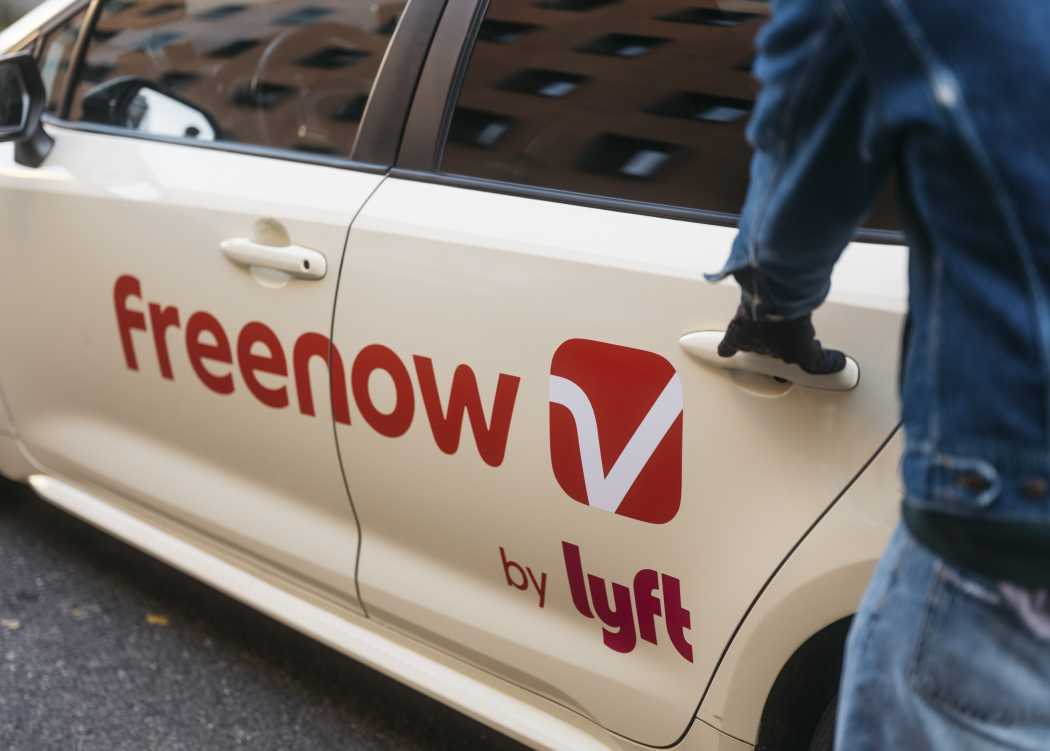
The debate about the future of taxis is often guided by major topics: digitalization, platform economy, on-demand mobility, or autonomous vehicles. For many passengers, however, the attractiveness of a mobility offering depends on a much simpler question: What does the ride cost? Five more German cities have now found an answer to that. Heidelberg, as well as the Bavarian cities of Amberg, Dachau, Erding, and Freising, have laid the legal groundwork to allow taxi rides to be offered at fixed prices. Freenow by Lyft is integrating the new booking option into its app with immediate effect.
For passengers, that means above all one thing: more planning certainty. The price is already fixed before the trip begins — regardless of whether the ride lasts longer than expected due to traffic jams, roadworks, or denser traffic.
Fare certainty instead of taximeter risk
Especially in cities with regularly occurring traffic bottlenecks, a fixed-price model can be attractive for customers. Heidelberg, for example, due to its geographical location in the Neckar Valley, has comparatively few main traffic axes. When disruptions occur there, these often affect the entire traffic network. Similar situations are known to commuters in Dachau, Erding or Freising, where especially the connections towards Munich are regularly heavily congested. Those who order a taxi via the app in the future will already receive a binding price proposal before booking.
The fixed price does not replace the traditional taximeter tariff. Rather, it is an additional option alongside the conventional taximeter-based billing.
Leeway within legal limits
The pricing is not left entirely to the market. The basis are municipal regulations that precisely define within which framework the fixed prices may move. In Heidelberg, the fixed price may lie between 7.5 percent below and 20 percent above the regular taxi tariff. In Erding, Freising and Dachau, the corridor ranges from 10 percent below to 30 percent above the tariff. In Amberg, the fixed price may be at most 25 percent above the regular taxi tariff. The cities thus use an option that the Passenger Transport Act has provided for several years. The aim is to provide the taxi industry with instruments that have so far been used mainly by platform-based mobility services.
Response to Changing Customer Expectations
For Freenow, expanding the offering is another step in the digitalization of taxi traffic.
“Through the fixed-price model, trips can be up to 10 percent cheaper than the regular fare, depending on the city,” says Amber Krake, Head of Operations at Freenow. “The price fixed before the trip creates clear conditions and makes taxi rides more transparent and easier to plan. Passengers know from the outset what costs lie ahead—regardless of whether there are traffic disruptions along the way.”
Indeed, demand for mobility services is increasingly guided by factors such as price predictability, easy booking, and digital handling. While the classic taximeter has long been a guarantor of fair prices, many users today also expect as accurate a cost forecast as possible before getting in
Opportunities also for the taxi trade
The introduction of fixed prices has been controversial within the industry for years. Proponents see it as an important instrument to remain competitive against ride-hailing platforms. Critics point to possible risks in the calculation of individual trips. In the cities now involved, the assessment apparently prevails that the advantages outweigh. In addition to greater transparency for passengers, companies are also expected to benefit because trips become more calculable.
“Through the fixed-price model, taxi driving becomes more transparent and plannable for users and drivers,” says Alexander Mönch, President of Freenow Germany and Austria. “We therefore welcome the introduction in five additional German cities and are committed to ensuring that even more municipalities follow suit.”
Fixed prices are becoming the new standard
With Heidelberg, Amberg, Dachau, Erding and Freising, the number of cities allowing fixed prices for taxi rides is growing again. The development shows that in many regions the taxi is increasingly developing from a purely tariff-bound mode of transport to a digitally bookable mobility offering. The taximeter will continue to be the basis of the trade. Yet more and more municipalities are granting their operators additional leeway to respond to changing customer needs.
Fixed prices do not change the taxi – they change the way customers book taxi rides. The more cities create the legal framework, the more the classic taximeter business becomes a calculable mobility offering with app-based convenience.
Content automatically translated.





Taxi-Fahrzeuge (Pkw) , Taxi-Newsletter, Taxameter, Taxi-Fahrer , BZP – Deutscher Taxi- und Mietwagenverband , Straßenverkehrsordnung (StVO) , Krankenbeförderung , Weiterbildung , Taxi-Konzessionen , Verkehrspolitik , Mietwagenbranche , Taxi-Apps , Berufskraftfahrer-Qualifikations-Gesetz BKrFQG) , Taxizentralen , Personal, Gehälter, Arbeitsschutz , Wirtschaftsnachrichten , Werbung , Taxi-Folierung , Taxi-Umrüster , Straßenverkehr , Elektromobilität, Taxifuhrpark und -flottenmanagement , Taxi-Versicherungen , Hybrid, Diesel, Erdgas , Taxi-Magazin