


VISION mobility kostenlos Probelesen

Die Zeitschrift VISION mobility richtet sich an mobilitätsbegeisterte Menschen bzw. Flottenmanager und begleitet den Technologiewandel in Sachen Automotive und Mobilität.
Aktueller Termin

Meist gelesen
Transport industry concerned – entrepreneurs present resolution to State Secretary Hirte

The State Association Thuringia of the Transportation Industry (LTV e.V.) presented the Parliamentary State Secretary to the Federal Minister for Digital and Transport, Christian Hirte, with a resolution containing ten specific demands. The occasion is the growing economic uncertainty faced by many companies.
Economic Pressure and Political Demands
Whether freight transport, logistics, taxi, or rental car industry - the participants of the assembly share the concern for their economic future and the competitiveness of Germany as a location. The managing director of LTV, Martin Kammer, personally handed the resolution to State Secretary Hirte. It is directed at the state governments in Thuringia and Saxony-Anhalt as well as the federal government.


Core of the demands: A return to more entrepreneurial freedom. For example, by ensuring that the federal government does not further interfere in collective bargaining agreements. The paper emphasizes that the social partners should maintain their autonomy.
In the field of propulsion technologies, companies also feel compelled to act—not only due to legal requirements but also because of insufficient government support. Those who want to use low-emission or alternative drive systems are often left to fend for themselves. Accordingly, the LTV calls for targeted funding measures for alternative fuels and vehicles.
Energy Efficiency Law and Bureaucracy as Brakes
There is also criticism of the Energy Efficiency Law. According to the LTV, the mandatory consultations for companies do not lead to noticeable improvements for the environment or climate but only cause additional costs. The main beneficiaries here are the consultants and certifiers—not the businesses that transport goods or people daily.
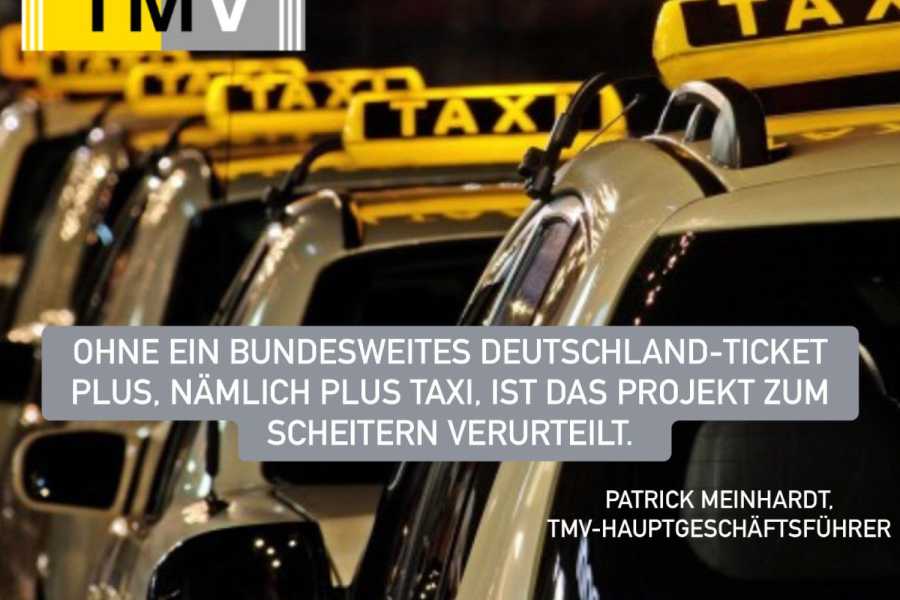
Another point concerns mobility planning in rural areas. Taxi and rental car companies should be more strongly integrated into the local public transport strategy. Only in this way, the association emphasizes, can accessibility in peripheral areas be truly ensured.
Not least, it's also about the labor market. The association criticizes the existing hurdles for qualified lateral entrants and skilled workers from non-EU countries. The current bureaucracy is often daunting and prevents the urgently needed access to the labor market – for example, as drivers in freight or passenger transport.
Trust in politics – and an expectation
The newly elected LTV President Steffen Heuschkel spoke clearly in his speech. Politics was given a leap of faith in the last state and federal elections, emphasized Heuschkel. Now it is time for the political decision-makers to return this trust. In particular, small and medium-sized enterprises expect to finally be taken seriously again.
As an interest group, the LTV Thuringia represents around 300 member companies from freight forwarding, logistics, passenger transport, and company transport. In addition to representing political interests, the association offers training, consulting, and support on industry-specific topics – from driving personnel law to vehicle technology. For years, the association has increasingly faced the problem that political frameworks and bureaucracy put pressure on owner-managed companies in particular.
The handover of the resolution to Christian Hirte is a symbolic act – but also a clear appeal: The road as a lifeline of the economy must not continue to suffer from political goal conflicts. Instead, there needs to be more support, fewer hurdles – and a policy that listens before it decides.
An overview of the ten core demands of the resolution:
- Preservation of tariff autonomy
- Promotion of alternative drives and fuels
- Compensation for the double CO₂ burden in freight transport
- Reform of the Energy Efficiency Act
- Reduction of bureaucracy in recruiting skilled workers
- Integration of taxi and rental car companies into public transport planning
- Ensuring fair competition conditions
- Increased involvement of the transport industry in political decision-making processes
- Recognition of the achievements of medium-sized companies
- Transparent and reliable framework conditions for investments




Taxi-Fahrzeuge (Pkw) , Taxi-Newsletter, Taxameter, Taxi-Fahrer , BZP – Deutscher Taxi- und Mietwagenverband , Straßenverkehrsordnung (StVO) , Krankenbeförderung , Weiterbildung , Taxi-Konzessionen , Verkehrspolitik , Mietwagenbranche , Taxi-Apps , Berufskraftfahrer-Qualifikations-Gesetz BKrFQG) , Taxizentralen , Personal, Gehälter, Arbeitsschutz , Wirtschaftsnachrichten , Werbung , Taxi-Folierung , Taxi-Umrüster , Straßenverkehr , Elektromobilität, Taxifuhrpark und -flottenmanagement , Taxi-Versicherungen , Hybrid, Diesel, Erdgas , Taxi-Magazin







