


2 Ausgaben kostenlos für Sie

Fachmagazin taxi heute: Ihr Zugang zu exklusiven Inhalten rund um die Taxi- und Mietwagenbranche.
Aktueller Termin

Meist gelesen
Waymo expands robotaxi operations in Silicon Valley
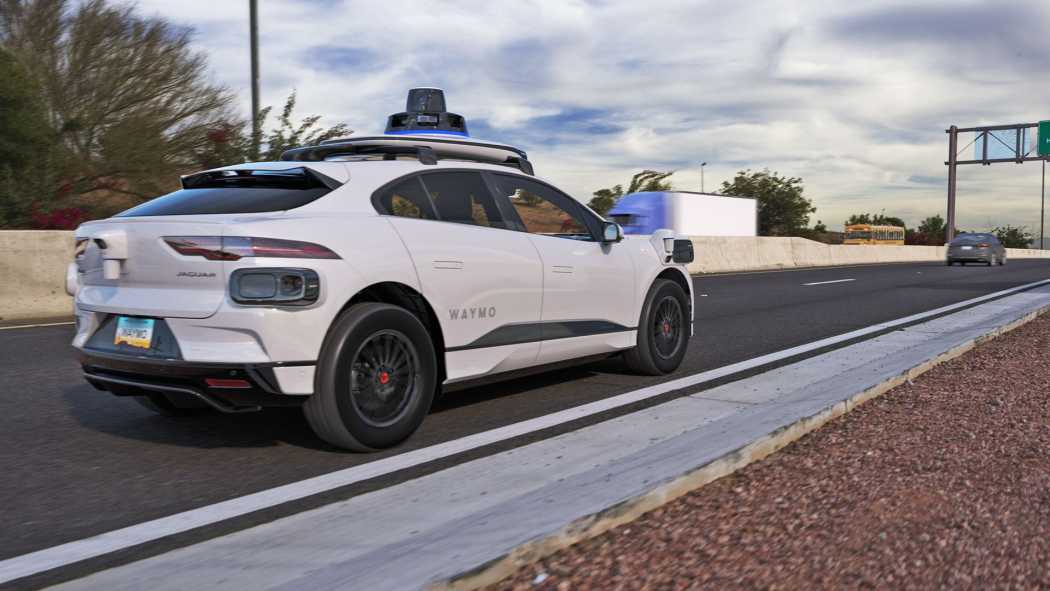
Waymo refers to the long development history of autonomous vehicles that originated here.
“We are returning to where the journey began,” states a company post on the platform X.
For now, only residents of the area can access the service. A gradual expansion is planned. Waymo has been operating a round-the-clock service in San Francisco for about a year and a half, and in Los Angeles since last fall. Other cities such as Phoenix, Austin, and Atlanta are also part of the network, with cooperation with Uber in the latter two locations.
The operation of autonomous vehicles does not occur without incidents. In early 2024, a Waymo car collided with a cyclist who was slightly injured. In Phoenix, police stopped a vehicle that was driving on the wrong side of the road. Critics of the technology use so-called “coning” methods, where traffic cones are placed on the hood to force the vehicles to stop. Then a person must remove the cone before the autonomous vehicle can function again. Last year, a Waymo car was even set on fire. That the shuttle operator's vehicles sometimes do not know what to do themselves is shown in a YouTube video by Sophia Tung.
Despite isolated incidents, the company is focusing on expansion. In Austin, customers can now also book Waymo vehicles via the Uber app. More cities are expected to follow.
Content automatically translated.






Taxi-Fahrzeuge (Pkw) , Taxi-Newsletter, Taxameter, Taxi-Fahrer , BZP – Deutscher Taxi- und Mietwagenverband , Straßenverkehrsordnung (StVO) , Krankenbeförderung , Weiterbildung , Taxi-Konzessionen , Verkehrspolitik , Mietwagenbranche , Taxi-Apps , Berufskraftfahrer-Qualifikations-Gesetz BKrFQG) , Taxizentralen , Personal, Gehälter, Arbeitsschutz , Wirtschaftsnachrichten , Werbung , Taxi-Folierung , Taxi-Umrüster , Straßenverkehr , Elektromobilität, Taxifuhrpark und -flottenmanagement , Taxi-Versicherungen , Hybrid, Diesel, Erdgas , Taxi-Magazin







