VISION mobility kostenlos Probelesen

Die Zeitschrift VISION mobility richtet sich an mobilitätsbegeisterte Menschen bzw. Flottenmanager und begleitet den Technologiewandel in Sachen Automotive und Mobilität.
Aktueller Termin

Meist gelesen
Taxi Today: Test Drive C-HR+ — Toyota's Next Mid-Size Electric Taxi.
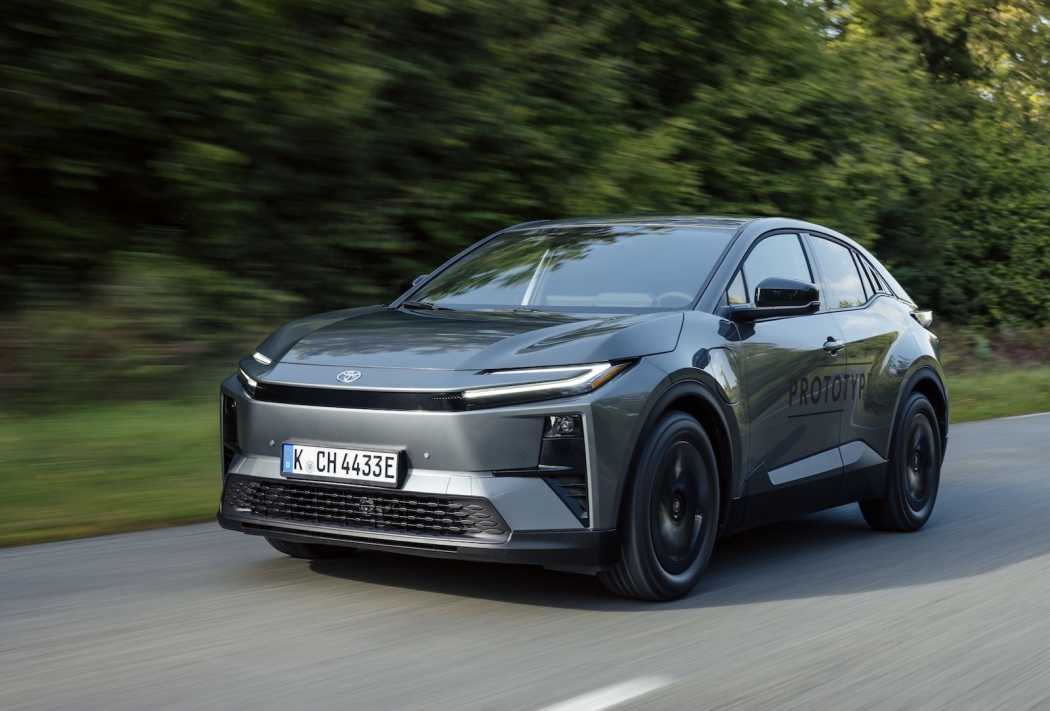
When it comes to naming, Toyota hasn't always been very fortunate. On the one hand there is the nearly unpronounceable Toyota bZ4x, and the more established C-HR is a similar tongue-twister. Now the Japanese are introducing with the C-HR+ an electric version of the C-HR, which is technically closer than ever to the Toyota bZ4x — understood? That causes plenty of internal jockeying in the segments. Toyota has no fewer than four mid-size SUVs, two with electric drivetrains and two with internal combustion engines, with a total length difference of 41 centimeters between the largest and the smallest.





Up to 609 kilometers of range
The 4.52-meter-long Toyota C-HR+ is offered with two battery options: one with 57.7 kWh for the front-drive version and one with 77 kWh, which can be combined optionally with front- and all-wheel drive, which reduces the range from 609 to 546 kilometers. The power range extends from a slim 123 kW / 167 hp for the 1.8-ton E-version with front-wheel drive and a smaller battery, via 165 kW / 224 hp for the long-range variant with front-wheel drive and a larger battery, up to 252 kW / 343 hp for the two-ton top all-wheel-drive model, in which the well-known electric motor on the front axle is assisted by a weaker 87-kW module. More important than ever to the developers is that the battery pack can be preconditioned with the help of a heat exchanger. This can be done manually via the central display or will be started automatically by the vehicle when the navigation system shows the next charging station. When it comes to charging speed, it's modest despite modern technology, because in the competition 150 kW fast charging is not a standout speed. At least: if desired the AC charger can absorb up to 22 kW of energy.





Plenty of rear legroom – rather less headroom
Passengers in the second row will also appreciate the flat floor, the slightly raised seats and the ventilation nozzles. What is missing is rear seat heating and a separate control option for temperature, as offered, for example, by a Skoda Elroq or other Chinese-made models. The dashboard is dominated by two screens: a small seven-inch instrument cluster with mediocre graphics and poor positioning above the steering wheel, as well as a 14-inch display in the center with clearly more modern rendering and better resolution. A glovebox: non-existent. The legroom is significantly more generous thanks to the longer wheelbase compared with the standard C-HR. A rear passenger who is 1.80 meters tall has two finger-widths of space above the head; however, they slightly touch the roof. With a cargo space of 416 liters, the electric Japanese car offers substantially less volume than the competition. A front trunk is also missing, which means the charging cable must be hidden in the already small cargo space.
Much more comfortable with 18-inch wheels
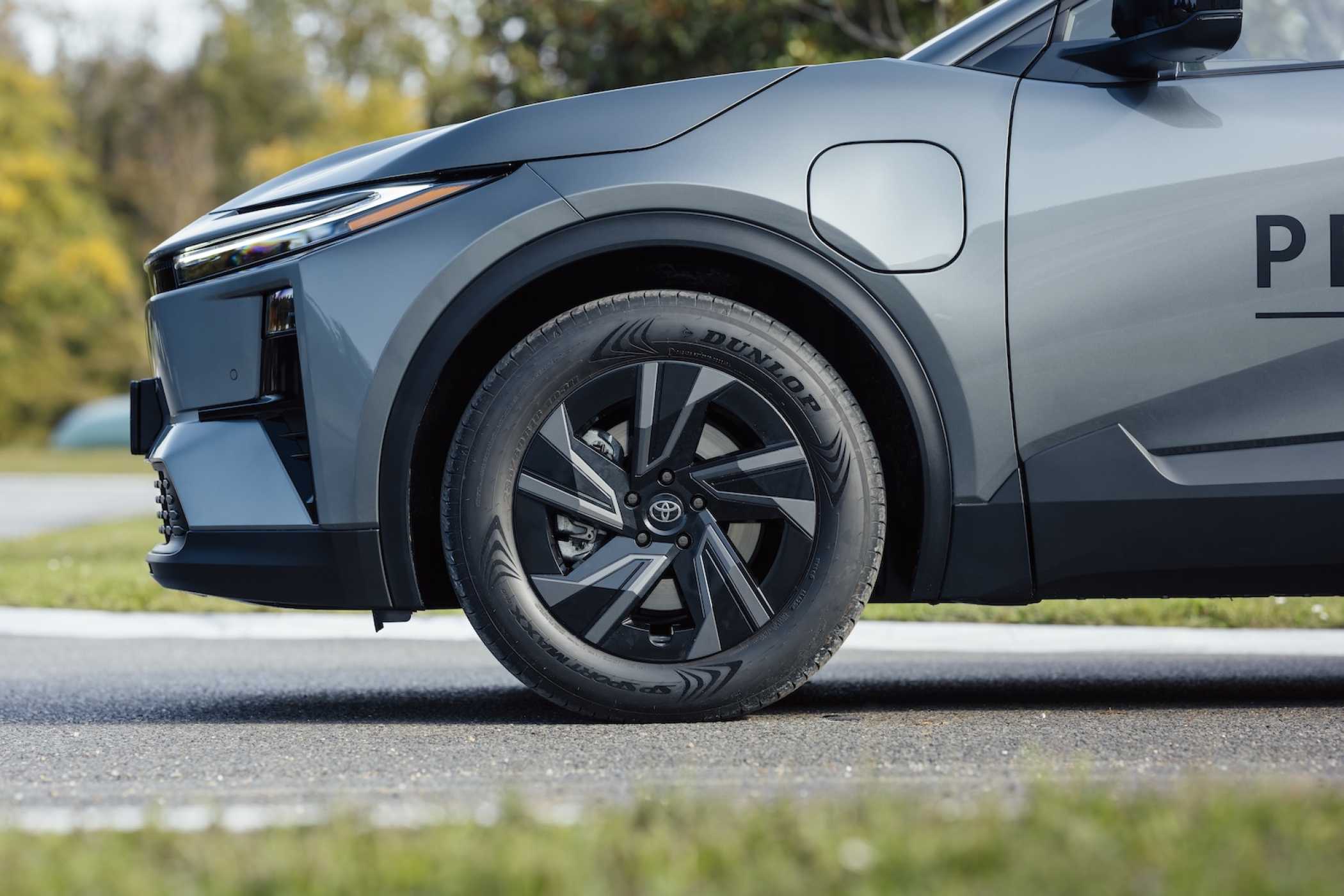
Many potential customers are likely to opt for the 224-hp variant with front-wheel drive in order to be able to make practical use of a sensible range in everyday driving. On the first test drive, real-world consumption stood at 15.8 kWh, well above the targeted 13.3 kWh/100 kilometers, reducing the promised range from 609 to 500 kilometers. Moreover, the optional 20-inch wheels with tires in 235/50 should be avoided, as the overall package is simply too hard, and the corresponding 18-inch wheels with tires of the same width are clearly better suited in terms of ride comfort.
Only 160 km/h top speed
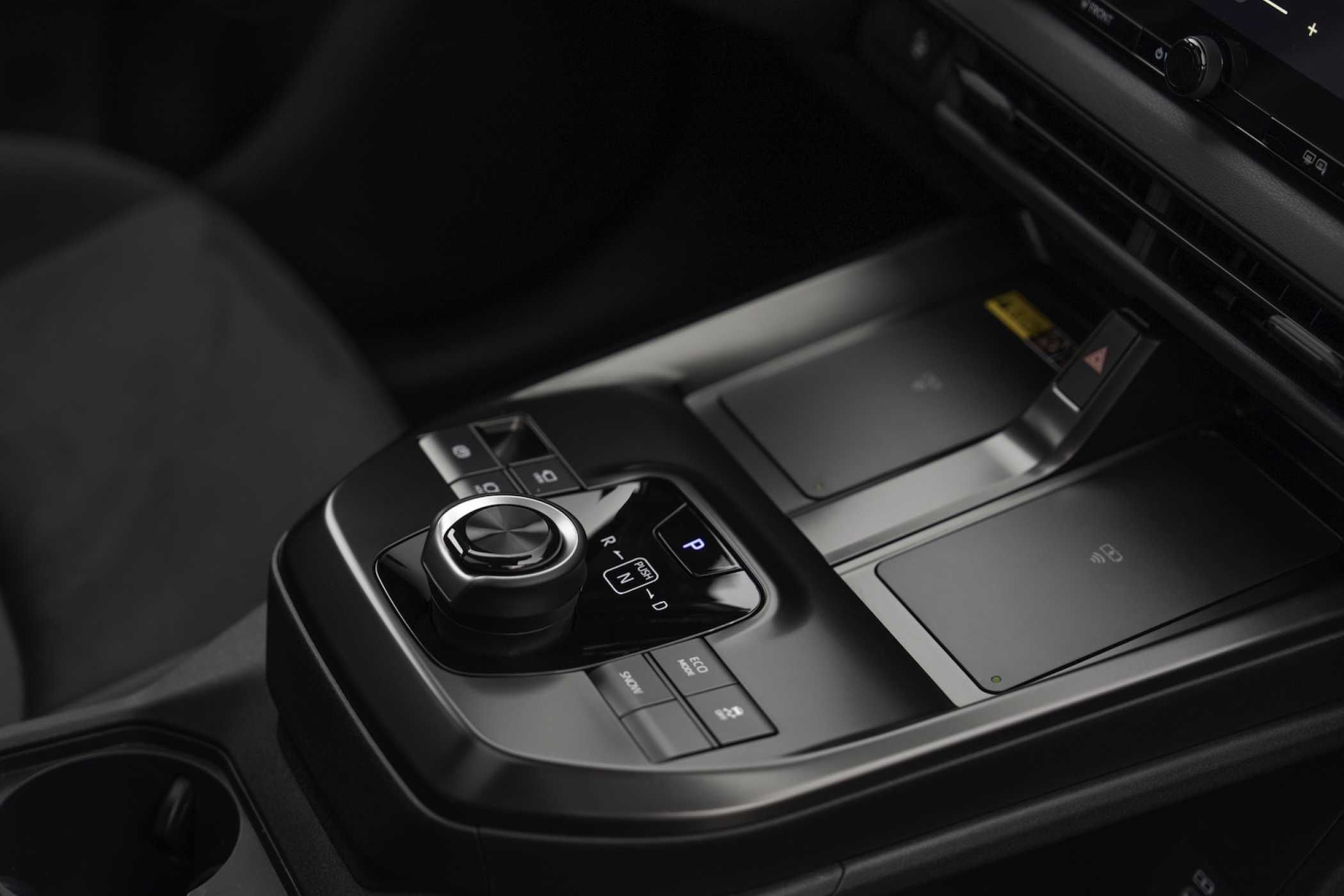
Considering 165 kW / 224 hp and a mere 269 Nm of maximum torque, the driving dynamics of the C-HR+ are modest; but likely sufficient for many customers. However, a top speed of 160 km/h is too low for a mid-size crossover that is expected to spend regular time on the highway. The four regenerative braking levels can be adjusted via paddle shifters on the steering wheel, with the settings only varying slightly, and there is no one-pedal driving function or drive modes that affect steering/motor. In this class, though, no one will miss that. Only a controllable Eco mode reduces fuel consumption by barely reducing the electric motor's output.
Behind the wheel: Joaquim Oliveira; press-inform
Technical data: Toyota C-HR+
Motor: Electric, front-mounted
Power: 165 kW / 224 hp
Max. torque: 269 Nm
Top speed: 160 km/h
0–100 km/h acceleration: 7.3 seconds
Battery capacity: 77 kWh
Curb weight: 1,885 kg
Official consumption: 13.3 kWh / 100 km
Charging speed: 150 kW
Range: 609 km/h
Price: €37,300
Content automatically translated.


Taxi-Fahrzeuge (Pkw) , Taxi-Newsletter, Taxameter, Taxi-Fahrer , BZP – Deutscher Taxi- und Mietwagenverband , Straßenverkehrsordnung (StVO) , Krankenbeförderung , Weiterbildung , Taxi-Konzessionen , Verkehrspolitik , Mietwagenbranche , Taxi-Apps , Berufskraftfahrer-Qualifikations-Gesetz BKrFQG) , Taxizentralen , Personal, Gehälter, Arbeitsschutz , Wirtschaftsnachrichten , Werbung , Taxi-Folierung , Taxi-Umrüster , Straßenverkehr , Elektromobilität, Taxifuhrpark und -flottenmanagement , Taxi-Versicherungen , Hybrid, Diesel, Erdgas , Taxi-Magazin