


VISION mobility kostenlos Probelesen

Die Zeitschrift VISION mobility richtet sich an mobilitätsbegeisterte Menschen bzw. Flottenmanager und begleitet den Technologiewandel in Sachen Automotive und Mobilität.
Aktueller Termin

Meist gelesen
When the taxi becomes part of the fraud scheme
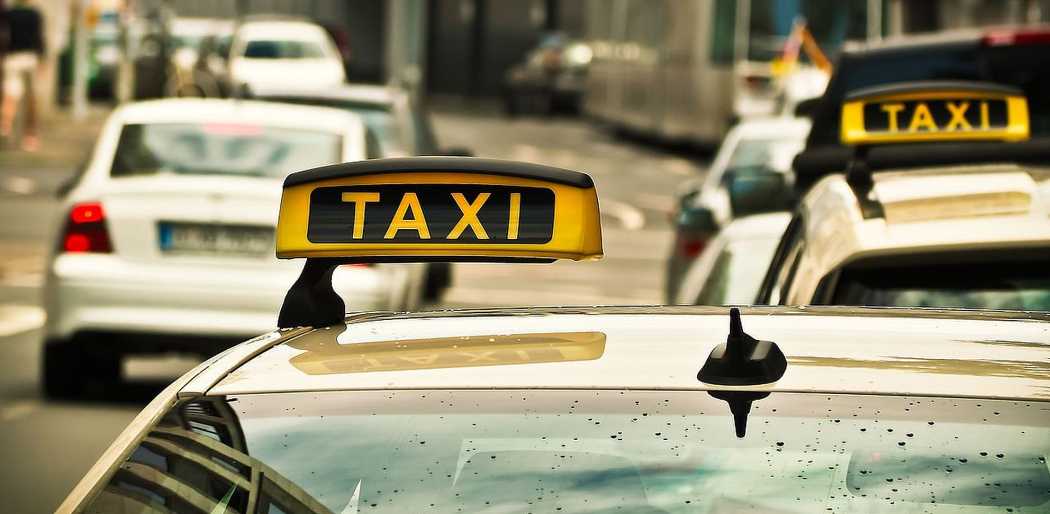
Two variants are particularly common: the shock call, in which a relative is allegedly involved in an accident and urgently needs money for lawyers or bail. And the fake police officer, who calls to warn about burglars in the neighborhood – with the request to "secure" cash or jewelry. Many victims lose their entire savings in the process. Even though the police's prevention work is having an effect and the number of cases is declining, the damage remains considerable.


New role for taxi drivers
The Upper Palatinate Police Headquarters is therefore relying on new approaches to reach people early. In addition to banks and medical practices, the crime-prevention efforts are now also aimed at a professional group that is often inadvertently drawn into offenders’ schemes: taxi drivers.
The background is simple: Many victims get into a taxi when they want to withdraw money at the bank. The perpetrators themselves also use taxis to obtain cash or valuables. This places drivers in a key role.
To support them, they receive information cards and small displays—such as air fresheners—with guidance on typical scam patterns. The goal is to raise drivers’ awareness of suspicious situations. If an elderly passenger suddenly talks about “urgent withdrawals” or wants to move unusually large sums, a brief warning or a call to the police can be crucial.


Banks and medical practices also in focus
There are new measures in banks as well: Special pyramid displays and cash envelopes are intended to remind employees to take a closer look at suspicious withdrawals. Doctors, in turn, will be provided with information materials in autumn 2025 to inform patients.
Police tips
- The following applies to taxi drivers as well as passengers:
- No one has to be pressured over the phone—even by supposed officials.
- Real police officers never demand cash or valuables.
- A healthy dose of skepticism is allowed. If you have doubts, hang up and dial 110.
- Older people should also check whether their telephone number is published with their address in the phone book.
Call center fraud thrives on surprise and psychological pressure. Those who are mindful in everyday life can help protect victims. For taxi drivers, that means: it’s not just the trips from A to B that matter; sometimes it’s also a watchful eye—and the courage to ask questions.
Content automatically translated.


Taxi-Fahrzeuge (Pkw) , Taxi-Newsletter, Taxameter, Taxi-Fahrer , BZP – Deutscher Taxi- und Mietwagenverband , Straßenverkehrsordnung (StVO) , Krankenbeförderung , Weiterbildung , Taxi-Konzessionen , Verkehrspolitik , Mietwagenbranche , Taxi-Apps , Berufskraftfahrer-Qualifikations-Gesetz BKrFQG) , Taxizentralen , Personal, Gehälter, Arbeitsschutz , Wirtschaftsnachrichten , Werbung , Taxi-Folierung , Taxi-Umrüster , Straßenverkehr , Elektromobilität, Taxifuhrpark und -flottenmanagement , Taxi-Versicherungen , Hybrid, Diesel, Erdgas , Taxi-Magazin







