2 Ausgaben kostenlos für Sie

Fachmagazin taxi heute: Ihr Zugang zu exklusiven Inhalten rund um die Taxi- und Mietwagenbranche.
Aktueller Termin

Meist gelesen
Uncertainty about Electricity – Tesla Owners Take the Initiative
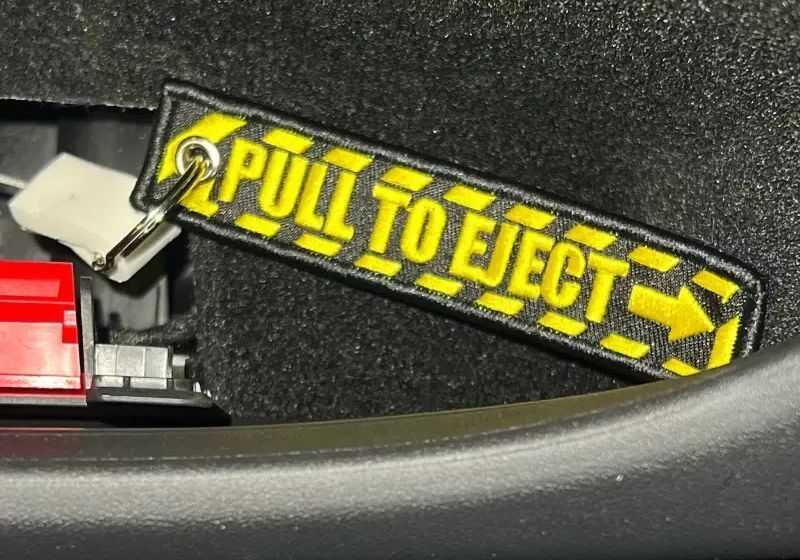
The criticism centers on a detail that can be crucial in emergencies: the doors. Like many modern vehicles, Tesla relies on electronic door openers. Mechanical handles are now only hidden. This causes discontent—especially if an accident or a power outage blocks access to the technology. Because then it can happen that vehicle occupants simply cannot get out.
Unlike other manufacturers who install clearly visible manual openings or offer handles with dual functions, Tesla relies on digital solutions. In the event of a defect or accident, users are supposed to unlock the vehicle via an app. This of course only works with electricity, signal, and a reachable smartphone—often unproblematic in everyday life, but risky in exceptional situations.
Hidden and Hard to Reach
Particularly in the popular Model Y, the emergency operation is awkwardly designed. In the front, a mechanical lever is concealed under an inconspicuous plastic cover. In the rear, the manual release is located under the floor mat at the bottom of the door pocket. In an emergency, both are difficult to access.
This has consequences: More and more Tesla owners are turning to do-it-yourself solutions. They attach colored bands, so-called “Rip Cords,” to the hidden levers in the hope of being able to react more quickly in an emergency. The tech portal Techspot reports on a growing community that shows on forums and videos how to secure yourself. Some attach conspicuous “Eject” signs to alert passengers to the manual release. Accessory suppliers are also responding. The US company EV Dynamics, for example, sells a retrofit emergency cable with a Velcro fastener and push button for about 22 dollars.
Trust in Crisis
The development is a symptom of the deeper crisis at Tesla. After stock losses, declining sales figures, and job cuts, the company is fighting for its role as an innovation leader.
While the tech billionaire publicly promises to focus more on his companies again, some Tesla owners are already taking responsibility themselves – at least for their own safety. This shows how deep the uncertainty runs. Once trust is lost, it cannot be easily restored via an app…
Content automatically translated.




Taxi-Fahrzeuge (Pkw) , Taxi-Newsletter, Taxameter, Taxi-Fahrer , BZP – Deutscher Taxi- und Mietwagenverband , Straßenverkehrsordnung (StVO) , Krankenbeförderung , Weiterbildung , Taxi-Konzessionen , Verkehrspolitik , Mietwagenbranche , Taxi-Apps , Berufskraftfahrer-Qualifikations-Gesetz BKrFQG) , Taxizentralen , Personal, Gehälter, Arbeitsschutz , Wirtschaftsnachrichten , Werbung , Taxi-Folierung , Taxi-Umrüster , Straßenverkehr , Elektromobilität, Taxifuhrpark und -flottenmanagement , Taxi-Versicherungen , Hybrid, Diesel, Erdgas , Taxi-Magazin