


Ihr kostenloser Branchen-Newsletter

Lassen Sie sich von unseren Fachjournalisten einmal wöchentlich über die wichtigsten aktuellen Entwicklungen der Taxi-Branche informieren, bequem direkt in Ihre Mailbox.
Aktueller Termin

Meist gelesen
London seals off Oxford Street: Taxis must stay out.
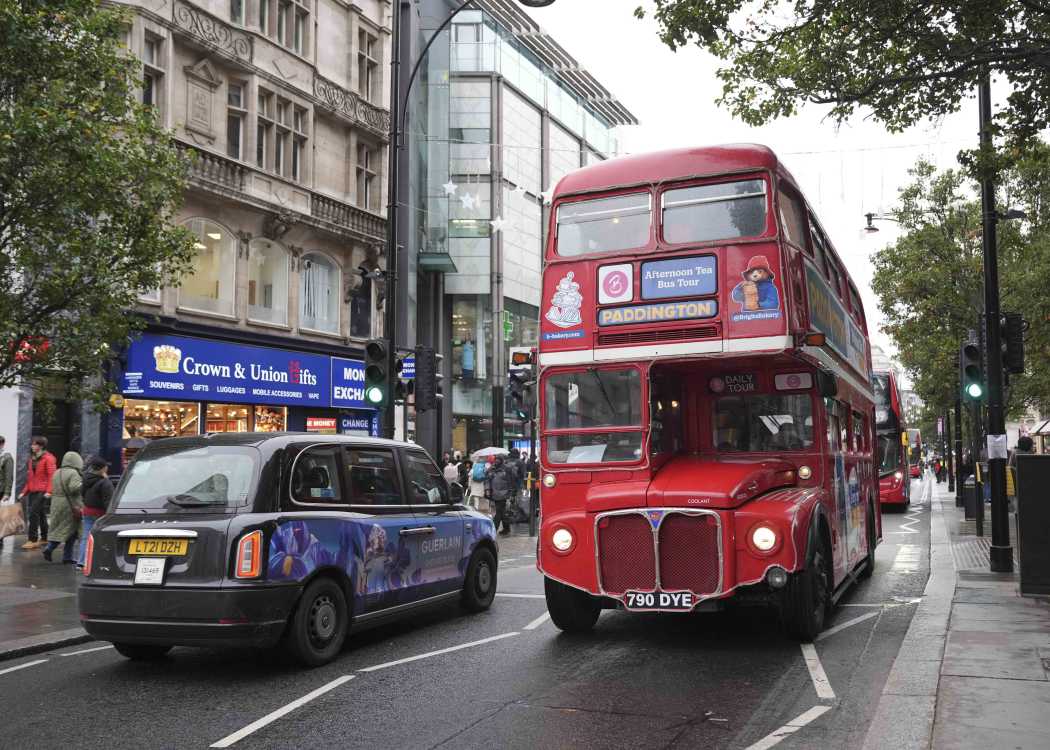
Whoever orders a taxi to London's Oxford Street in future will have to plan more carefully. Since Monday, a stretch of just under a kilometer between Orchard Street and Great Portland Street has been completely closed to cars, buses, taxis and bicycles. Until now, taxis were allowed to travel the route from Monday to Saturday between 7 a.m. and 7 p.m., despite the general ban on driving. This exception is now being dropped. At several locations, however, vehicles can still cross the new pedestrian zone.
For the taxi sector, this thus changes an important traffic artery in central London. Especially for shopping trips, hotel transfers, or the pickup of older and mobility-impaired passengers, it is important to get as close as possible to the entrance. Where this will be possible in the future depends on the remaining access routes and the designated stopping points. Taxi companies and intermediaries must adjust their route planning accordingly and, if necessary, inform passengers about new pickup locations. The city is pursuing an economic objective with this closure: more people should visit the shopping street, stay longer and spend money. By spring 2027, more than 50 trees are to be planted, and chairs and benches will be installed. The overall project costs around 150 million pounds, approximately 178 million euros. An extension of the pedestrian zone is planned.
Mayor Sadiq Khan described the move as a turning point.
„That is a truly significant moment for the capital,“ he said in a statement. Oxford Street has reinvented itself repeatedly over centuries and shaped British culture. Now begins “a new era for the street.”
The background: The shopping mile, which is visited by around 500,000 people daily, is struggling with vacancies and a loss of image. Discount shops and souvenir shops have chipped away at its former luxury image. A higher quality of stay should strengthen trade again.
For taxi companies, however, there remains a practical question: How well can the needs of passengers be reconciled with the new traffic concept? A pedestrian zone can enhance the shopping experience. If the route from the taxi stand to the store becomes significantly longer as a result, this particularly affects people who have difficulty walking or carry a lot of luggage. What will be decisive is whether the city creates suitable stopping options at the edge of the restricted zone and reliably organizes access for passengers with limited mobility.
Content automatically translated.


Taxi-Fahrzeuge (Pkw) , Taxi-Newsletter, Taxameter, Taxi-Fahrer , BZP – Deutscher Taxi- und Mietwagenverband , Straßenverkehrsordnung (StVO) , Krankenbeförderung , Weiterbildung , Taxi-Konzessionen , Verkehrspolitik , Mietwagenbranche , Taxi-Apps , Berufskraftfahrer-Qualifikations-Gesetz BKrFQG) , Taxizentralen , Personal, Gehälter, Arbeitsschutz , Wirtschaftsnachrichten , Werbung , Taxi-Folierung , Taxi-Umrüster , Straßenverkehr , Elektromobilität, Taxifuhrpark und -flottenmanagement , Taxi-Versicherungen , Hybrid, Diesel, Erdgas , Taxi-Magazin





