2 Ausgaben kostenlos für Sie

Fachmagazin taxi heute: Ihr Zugang zu exklusiven Inhalten rund um die Taxi- und Mietwagenbranche.
Aktueller Termin

Meist gelesen
Stuttgart taxis in protest mode: Resistance against the competition's dumping prices
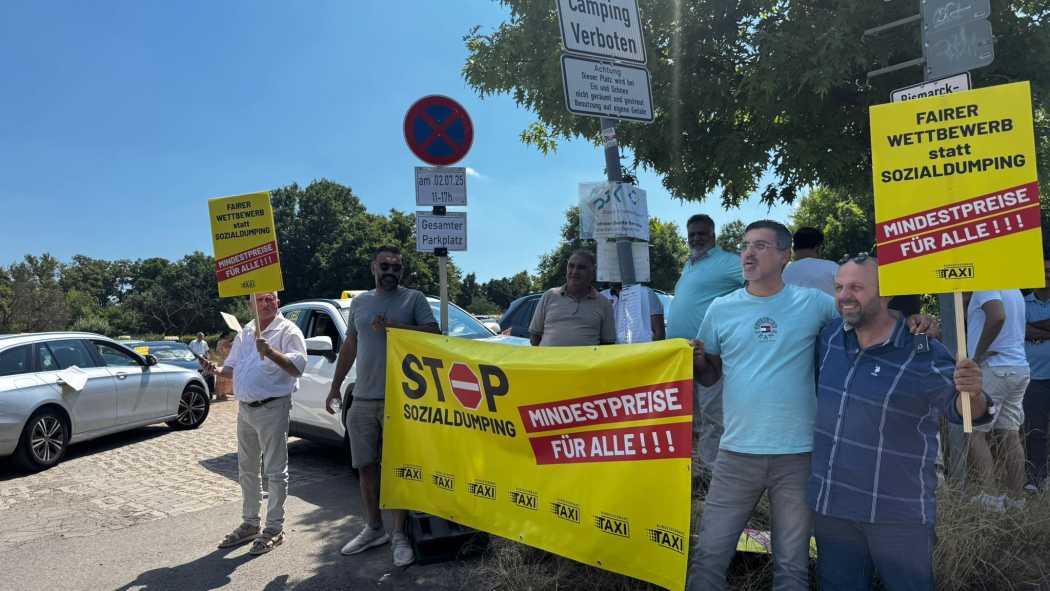
More than 200 taxi drivers participated in the nationwide day of action against unfair conditions in competition with ride-hailing platforms like Uber and Bolt. In Stuttgart, a convoy of cars formed in the early afternoon, moving from Killesberg through the city center.
The route included Heilbronner Straße, Theodor-Heuss-Straße, Rotebühlplatz, and Hauptstätter Straße up to Planie. Afterwards, the vehicles returned to the starting point without stopping. The police secured the route, blocking intersections and crossings. Traffic on the Stuttgart city ring came to a standstill at times. According to police spokeswoman Daniela Treude, the impacts were, however, less than feared.


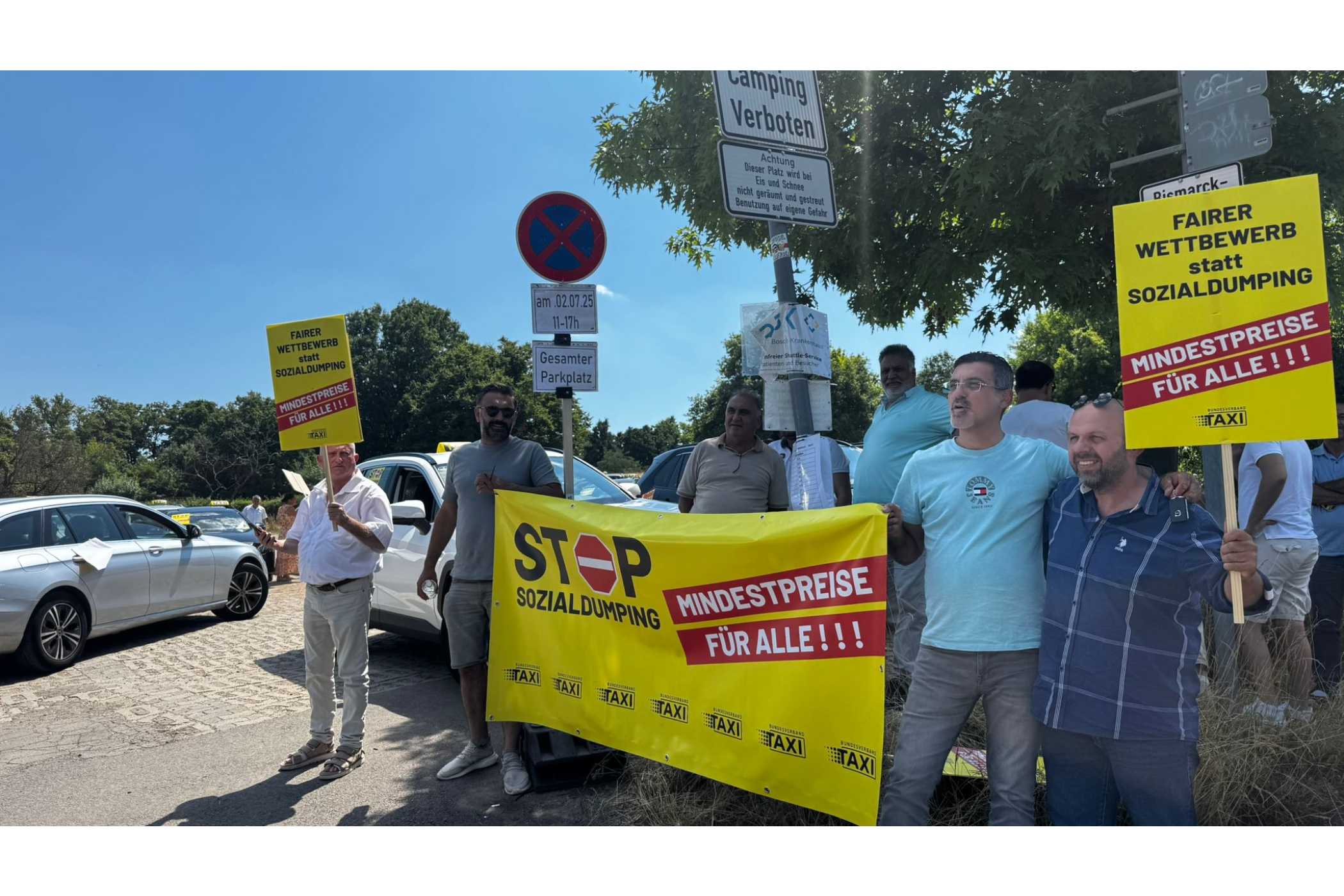

Demand for Minimum Prices and More Regulation
The participants of the protest demanded, among other things, the introduction of a statutory minimum price for rental car companies as well as compliance with minimum wage and working time regulations. In addition, proper taxation of all providers is necessary. The action was part of a coordinated wave of protests in a total of 14 German cities. The background of the protests is significant revenue losses in the taxi industry. According to the Stuttgarter Zeitung, some drivers report declines of up to 40 percent. While taxi companies are bound by municipally set tariffs – in Stuttgart, the price per kilometer driven is 2.30 euros, and the approach costs 4.30 euros – platform providers can freely set their prices.
Criticism of insufficient control
Another point of criticism concerns, from the industry's perspective, the inadequate control of rental car companies. According to the applicable Passenger Transportation Act, these companies are only allowed to drive on order and must then return to their headquarters. In practice, however, taxi companies criticize that many drivers, contrary to this regulation, wait in public areas for new passengers.
The CDU parliamentary group in the Stuttgart municipal council has requested a statement from the city administration on the number and type of violations as well as on existing control mechanisms.
Discussions between Industry and Authorities
A meeting between the Stuttgart Taxi Association and representatives of the city of Stuttgart, the Rems-Murr district, and the district of Esslingen took place in the previous week. The aim is closer cooperation between regulatory authorities and taxi companies to combat illegal practices in the rental car industry.
Collaboration with Uber under Scrutiny
Despite criticism of platform providers, a cooperation between the Stuttgart Taxi Center and Uber has existed since March 2025. Since then, classic taxi rides can also be booked through the app of the US company. According to the association, this is an attempt to survive economically. An initial assessment of the impact is still pending. According to the association, no positive development is yet discernible.
Content automatically translated.






Taxi-Fahrzeuge (Pkw) , Taxi-Newsletter, Taxameter, Taxi-Fahrer , BZP – Deutscher Taxi- und Mietwagenverband , Straßenverkehrsordnung (StVO) , Krankenbeförderung , Weiterbildung , Taxi-Konzessionen , Verkehrspolitik , Mietwagenbranche , Taxi-Apps , Berufskraftfahrer-Qualifikations-Gesetz BKrFQG) , Taxizentralen , Personal, Gehälter, Arbeitsschutz , Wirtschaftsnachrichten , Werbung , Taxi-Folierung , Taxi-Umrüster , Straßenverkehr , Elektromobilität, Taxifuhrpark und -flottenmanagement , Taxi-Versicherungen , Hybrid, Diesel, Erdgas , Taxi-Magazin