


VISION mobility kostenlos Probelesen

Die Zeitschrift VISION mobility richtet sich an mobilitätsbegeisterte Menschen bzw. Flottenmanager und begleitet den Technologiewandel in Sachen Automotive und Mobilität.
Aktueller Termin

Meist gelesen
Electric cars are getting cheaper – a study expects price parity by around 2030.
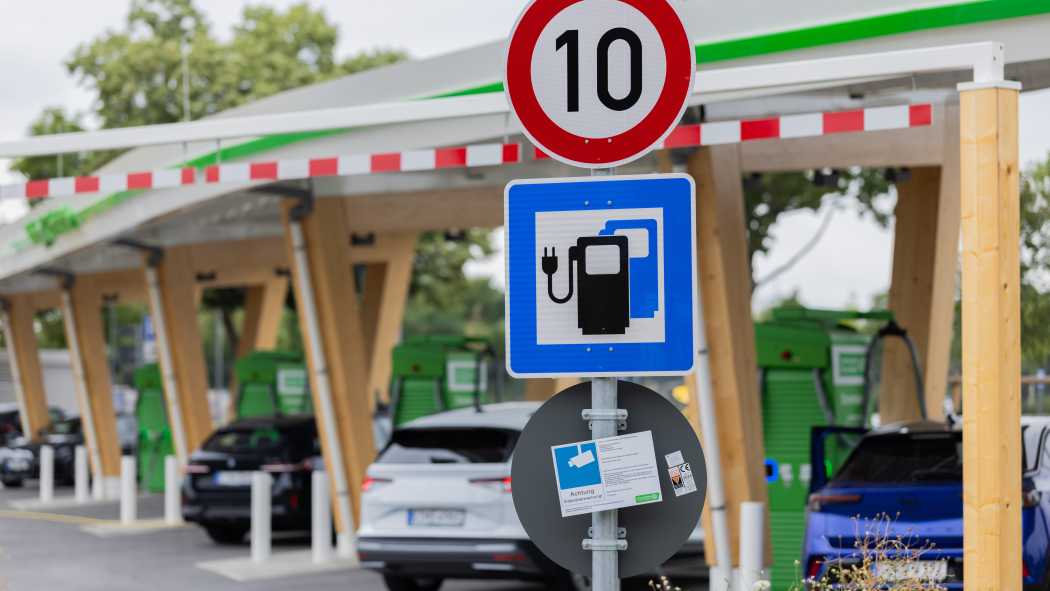
Electric cars have become significantly cheaper in real terms between 2020 and 2025. The list prices of comparable models fell in real terms by 18 percent during this period, while vehicles with internal combustion engines rose in real terms by two percent. This comes from a study by the Fraunhofer Institute for Systems and Innovation Research and the International Council on Clean Transportation.
More than 100,000 individual data points analyzed
For the study, the researchers analyzed more than 100,000 individual data points from the ADAC database. In doing so, they did not merely compare the average prices of all electric cars with those of all combustion engines.
The reason for this is the change in the vehicle offering. In particular, in the higher-priced segment, more electric cars have entered the market in recent years. A simple comparison of average prices would thus have compared vehicles from different categories and would have only imperfectly reflected the actual price development of comparable models.
The researchers therefore examined the same or comparable vehicles over a longer period. On this basis, electric cars showed relatively stable nominal list prices, while the prices of internal-combustion-engine vehicles rose. Taking inflation into account, this yields a real price drop of 18 percent for electric cars.
Range and Performance on the Rise
Parallel to the price development, according to the study authors, vehicle characteristics have also changed. Electric cars now, on average, offer larger ranges and higher engine power than a few years ago. Thus, the offering has evolved not only price-wise but also technically.
The study also points to a shift in the cost relationship between drive types. In addition to the purchase prices, the total costs per kilometer driven play a role. With a further narrowing of purchase prices, electric cars could achieve a more pronounced cost advantage here.
Battery prices offer further potential
The researchers see several factors that could support further price development in favor of battery-electric vehicles. These include falling battery prices, rising production volumes, and the pressure on vehicle manufacturers arising from CO2 emission limits.
The lower costs for batteries have, according to the researchers, not yet been fully passed on to buyers. Further economies of scale through higher volumes could further improve the cost position of electric cars.
Price parity possible by around 2030
If the current development continues, electric cars in Europe could reach the price level of comparable internal-combustion vehicles by around 2030. In terms of total cost per kilometer, battery-electric vehicles would then be cheaper, according to the researchers' assessment.
Experiences from other markets also indicated that electric cars could reach a market share of around 50 percent at comparable upfront prices.
List prices as the basis of the comparison
One limitation of the study lies in the data basis used. The researchers compared list prices and not actual transaction prices. The latter were not available at the breadth required for the analysis.
According to the study authors, however, this circumstance is unlikely to cause major distortions. Data on the development of discount levels for important electric cars have in recent years overall shown rather increasing rebates. This effect could further shift the actual price development in favor of battery-electric vehicles. (Source: dpa)
Content automatically translated.




Taxi-Fahrzeuge (Pkw) , Taxi-Newsletter, Taxameter, Taxi-Fahrer , BZP – Deutscher Taxi- und Mietwagenverband , Straßenverkehrsordnung (StVO) , Krankenbeförderung , Weiterbildung , Taxi-Konzessionen , Verkehrspolitik , Mietwagenbranche , Taxi-Apps , Berufskraftfahrer-Qualifikations-Gesetz BKrFQG) , Taxizentralen , Personal, Gehälter, Arbeitsschutz , Wirtschaftsnachrichten , Werbung , Taxi-Folierung , Taxi-Umrüster , Straßenverkehr , Elektromobilität, Taxifuhrpark und -flottenmanagement , Taxi-Versicherungen , Hybrid, Diesel, Erdgas , Taxi-Magazin







