VISION mobility kostenlos Probelesen

Die Zeitschrift VISION mobility richtet sich an mobilitätsbegeisterte Menschen bzw. Flottenmanager und begleitet den Technologiewandel in Sachen Automotive und Mobilität.
Aktueller Termin

Meist gelesen
Driverless into the future: Robotaxis take off – and transform the mobility business.
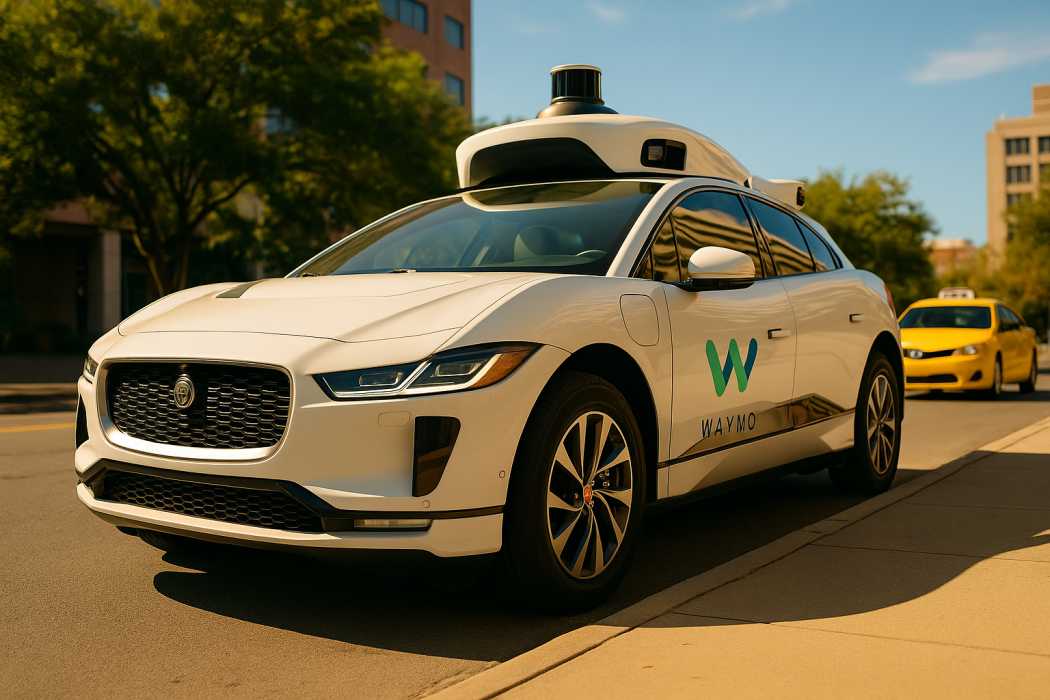
Autonomous ride-hailing services are making great progress worldwide in 2025. In the United States and China, the first robotaxis without drivers are rolling on public roads, while technology companies invest billions in artificial intelligence and sensors. According to a new study by market research firm IDTechEx, software revenue in the robotaxi sector could grow by a thousandfold by 2046.
Waymo, Tesla and other companies expand their reach
In the United States, Waymo is regarded as the leading provider of driverless taxis. The company already operates regular robotaxi services in several major cities — including Phoenix, San Francisco and Los Angeles — and works closely with the platforms Uber and Lyft. Tesla has also launched a robotaxi service in Austin, Texas, where there have been no safety drivers on board since September.
Other companies such as Zoox and May Mobility are also testing driverless vehicle concepts. In particular, Zoox is betting on a vehicle developed in-house without a steering wheel or pedals—a clear departure from the traditional vehicle design.
China expands its leadership role
In China the market is growing even faster. Baidu's robotaxi service "Apollo Go" is now active in more than twelve cities and plans to expand into Europe. Also other Chinese companies such as Pony.ai or WeRide have hundreds of vehicles. Analysts expect that China will generate more than half of the global robotaxi software revenue by 2046.
Europe is lagging behind – but development is underway
In Europe, the market for driverless taxis is still in the development phase. Companies like Wayve or Motor AI are developing software solutions and pilot projects. According to IDTechEx, Europe could become an important testing ground for international providers in the coming years.
Consequences for the taxi industry still unclear
For the taxi industry, the current developments represent a potential turning point. Ride-hailing platforms and automotive groups are investing in business models that do not require drivers – a direct intrusion into the traditional business model.
At the same time, many questions remain open: How will robotaxis be regulated? Who bears responsibility in accidents? And how can taxi companies respond to a changed mobility environment? So far there are no signs that robotaxis will be approved across European cities on a broad scale in the near future. Nevertheless, looking to the USA and China shows that the technological lead is growing and the industry is well advised to engage early with potential consequences. (Source: IDTechEx)
Content automatically translated.





Taxi-Fahrzeuge (Pkw) , Taxi-Newsletter, Taxameter, Taxi-Fahrer , BZP – Deutscher Taxi- und Mietwagenverband , Straßenverkehrsordnung (StVO) , Krankenbeförderung , Weiterbildung , Taxi-Konzessionen , Verkehrspolitik , Mietwagenbranche , Taxi-Apps , Berufskraftfahrer-Qualifikations-Gesetz BKrFQG) , Taxizentralen , Personal, Gehälter, Arbeitsschutz , Wirtschaftsnachrichten , Werbung , Taxi-Folierung , Taxi-Umrüster , Straßenverkehr , Elektromobilität, Taxifuhrpark und -flottenmanagement , Taxi-Versicherungen , Hybrid, Diesel, Erdgas , Taxi-Magazin