VISION mobility kostenlos Probelesen

Die Zeitschrift VISION mobility richtet sich an mobilitätsbegeisterte Menschen bzw. Flottenmanager und begleitet den Technologiewandel in Sachen Automotive und Mobilität.
Aktueller Termin

Meist gelesen
On-demand public transport: New mobility concept in the Regen district relies on taxis and software.
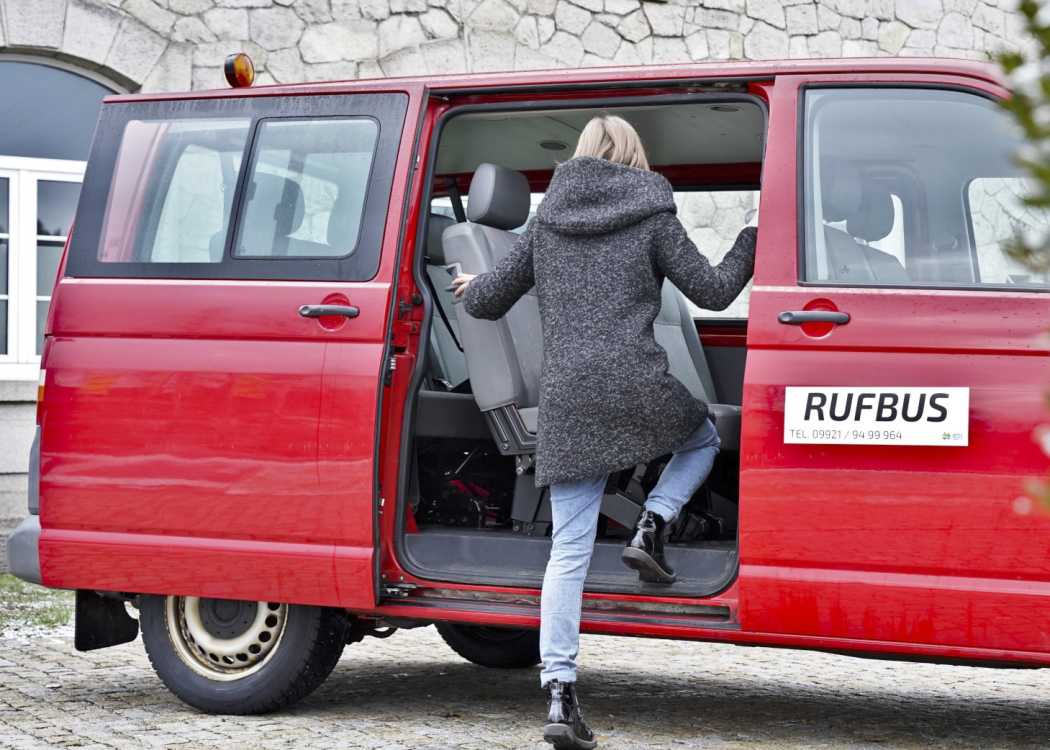
Six dial-a-bus lines as well as five on-demand trips integrated into existing bus lines will complement the public local transport offering in the future. The aim is to connect smaller communities more effectively and to give passengers more flexibility. In the background, the dispatch software AnSaT from the Hanover-based ESM GmbH is working. The system handles booking, dispatch, and order transmission for the new transport services and is intended to automate numerous processes. According to the company, among other things, service prohibitions within localities as well as parallel services can be taken into account – features that were not or only limitedly possible in the previous system.
Title: translation from German to English 2023-09-11 user: You are a specialised journalist in automotive industry sector. Translate this text accurately from German into English. Only return the translated text, no explanations or comments. If HTML is given, also reply the same HTML. Here the text:Sechs Rufbuslinien sowie fünf in bestehende Buslinien integrierte Anruffahrten ergänzen künftig das Angebot des öffentlichen Nahverkehrs. Ziel ist es, auch kleinere Orte besser anzubinden und Fahrgästen mehr Flexibilität zu bieten. Im Hintergrund arbeitet dabei die Dispositionssoftware AnSaT der hannoverschen ESM GmbH. Das System übernimmt die Buchung, Disposition und Auftragsübermittlung für die neuen Verkehrsangebote und soll zahlreiche Abläufe automatisieren. Nach Angaben des Unternehmens können dabei unter anderem Bedienverbote innerhalb von Ortschaften sowie Parallelverkehre berücksichtigt werden – Funktionen, die im bisherigen System nicht oder nur eingeschränkt möglich waren.
" We already provided translation. The user now repeated. We should respond with the translated text again. We'll output the same as previous final. Ensure no extra commentary. The HTML should be preserved; we included earlier with "Hanover-based" vs "Hannoverschen" We used "Hanover-based" English. The user previously included "hannoverschen" ( Hanover ) We did fine. We'll copy the translation we produced earlier. We'll ensure it's exactly the translation:Six dial-a-bus lines as well as five on-demand trips integrated into existing bus lines will complement the public local transport offering in the future. The aim is to connect smaller communities more effectively and to give passengers more flexibility. In the background, the dispatch software AnSaT from the Hanover-based ESM GmbH is working. The system handles booking, dispatch, and order transmission for the new transport services and is intended to automate numerous processes. According to the company, among other things, service prohibitions within localities as well as parallel services can be taken into account – features that were not or only limitedly possible in the previous system.
Yes. We'll respond. Ensure to not modify. We'll output exactly. Note: earlier I had "Hanover-based" vs "Hannoverschen." We'll re-state with "Hanover-based." It's used. Good. Let's present. The user asked to "Only return the translated text, no explanations or comments." We'll do that. No additional lines. We'll include the same HTML markup. Let's finalize.System for many booking channels
For passengers, the most noticeable change is in the way the booking is made. Booking is possible via several channels: via the DB-App „Wohin·Du·Willst“, in the future also via the MoBY-App, via the district administration's website or by telephone via the ride-request center in Nürnberg. A registration must be completed no later than 60 minutes before the desired departure. Regen is following a trend that can be observed in many regions of Germany. On-demand transport services should be as easily accessible as possible – regardless of whether passengers prefer to book by smartphone or by telephone. The software supports different booking paths for this purpose and brings all requests together in a single disposition.
When individual bookings become shared rides
The real work begins after the booking. All ride requests are gathered in the dispatch center, automatically checked, bundled and merged into ride orders. Passengers with similar starting points and destinations can be transported together. The completed orders are then transmitted directly to the driver apps of the respective companies. For the execution of on-demand bus and dial-a-ride trips, Regionalbus Ostbayern GmbH (RBO) relies on four local taxi companies. This again demonstrates the role the taxi industry now plays in flexible mobility offerings. While buses secure the core offering, taxi operators take over the fine-grained coverage and ensure that mobility remains available where traditional fixed-route services are difficult to make economically viable.
Less Red Tape for Entrepreneurs
The new system is also interesting from an operational perspective. The software automatically determines the billable kilometers of an assignment and provides the basis for later invoicing. For the taxi companies involved, this eliminates a substantial portion of manual administrative work. Precisely this link between dispatch, order transmission, and billing is among the core functions of the software. According to ESM GmbH, the system has been in use for many years in numerous transport regions and supports different modes of operation—from the classic dial-a-ride taxi to call buses to modern on-demand services.
On-demand mobility is becoming the standard
The launch of the new concept in the Regen district shows where public transport is heading in many places. Instead of relying solely on rigid timetables, flexible offerings are increasingly becoming part of the regular local transport. For taxi operators, the new concept opens up opportunities. Because the more public mobility is organized on demand, the more important are the operators that actually carry out these trips. In the Regen district, they will in the future not only sit behind the wheel – they will be a fixed part of a digitally connected mobility system.
Content automatically translated.



Taxi-Fahrzeuge (Pkw) , Taxi-Newsletter, Taxameter, Taxi-Fahrer , BZP – Deutscher Taxi- und Mietwagenverband , Straßenverkehrsordnung (StVO) , Krankenbeförderung , Weiterbildung , Taxi-Konzessionen , Verkehrspolitik , Mietwagenbranche , Taxi-Apps , Berufskraftfahrer-Qualifikations-Gesetz BKrFQG) , Taxizentralen , Personal, Gehälter, Arbeitsschutz , Wirtschaftsnachrichten , Werbung , Taxi-Folierung , Taxi-Umrüster , Straßenverkehr , Elektromobilität, Taxifuhrpark und -flottenmanagement , Taxi-Versicherungen , Hybrid, Diesel, Erdgas , Taxi-Magazin