


VISION mobility kostenlos Probelesen

Die Zeitschrift VISION mobility richtet sich an mobilitätsbegeisterte Menschen bzw. Flottenmanager und begleitet den Technologiewandel in Sachen Automotive und Mobilität.
Aktueller Termin

Meist gelesen
Tesla Cybercab ahead of the private sale: Robotaxi plans face trouble with U.S. authorities.
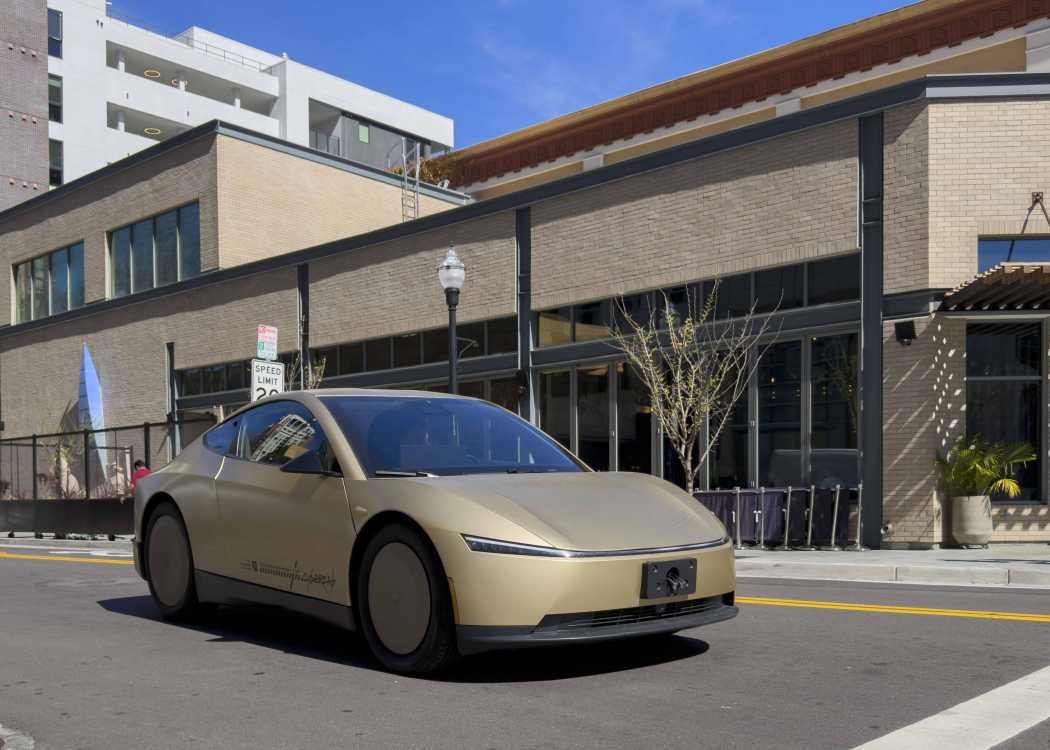
Elon Musk's electric carmaker Tesla is letting a select group of customers in the United States pre-order his robotaxi vehicles without a steering wheel and pedals for private use. The price for a Cybercab is therefore approximately 29,990 dollars (currently around 27,000 euros). In addition, a monthly subscription fee of 299 dollars is due for autonomous operation. The delivery date is listed as December. Initially, it was not clear how many vehicles would actually be privately owned. Tesla is thereby fulfilling an earlier promise. CEO Musk had, however, said a few weeks ago that the majority of the Cybercabs would be operated in Tesla's own robotaxi fleet.
Für die wenigen Käufer gibt es zudem weitere Einschränkungen. So werde autonomes Fahren nur in den Gegenden verfügbar sein, in denen auch Teslas Robotaxi-Dienst angeboten werde, schrieb der zuständige Manager Ashok Elluswamy auf der Plattform X. Bisher sind es die Stadt Austin in Texas sowie Teile einiger weiterer Städte in dem Bundesstaat sowie in Florida. Zudem betont der Konzern ausdrücklich, dass nur die private Nutzung erlaubt sei.
Autonomous driving using only cameras
Musk had announced that Tesla's future would lie in the production of humanoid robots and autonomous vehicles. Musk wants the vehicles in autonomous operation to rely exclusively on cameras. Competitors such as Google's sister company Waymo, by contrast, also rely on laser LiDARs that scan the surroundings of the vehicles even in poor visibility. Some experts and rivals criticize that autonomous operation using cameras as sensors alone is not reliable enough. Waymo also announced in the meantime that, over time, it intends to bring its own autonomous-driving technology into private cars.
Trouble with the regulatory authority
Tesla also clashed with the U.S. traffic-safety authority NHTSA over the Cybercab. In the United States, some physical controls, such as a brake pedal, are basically mandatory. Manufacturers can bring to the road up to 2,500 vehicles without a steering wheel and pedals with an NHTSA exemption. Tesla did not apply for such a permit, but stated that the Cybercabs met the safety requirements. The agency asked the group to explain how that could be possible.
Musk had recently announced that production of the electric pickup Cybertruck would be wound down by the middle of next year — in his view also to have more capacity for the Cybercabs. The Cybertruck, with its futuristic-looking angular stainless-steel body, was initially announced at a price starting from around $40,000. It arrived on the market after years of delay and cost $82,490 in the cheapest configuration. Musk had promised production capacity for up to 250,000 of the pickups per year; Tesla sold around 20,000 of them last year, according to expert estimates.
Content automatically translated.


Taxi-Fahrzeuge (Pkw) , Taxi-Newsletter, Taxameter, Taxi-Fahrer , BZP – Deutscher Taxi- und Mietwagenverband , Straßenverkehrsordnung (StVO) , Krankenbeförderung , Weiterbildung , Taxi-Konzessionen , Verkehrspolitik , Mietwagenbranche , Taxi-Apps , Berufskraftfahrer-Qualifikations-Gesetz BKrFQG) , Taxizentralen , Personal, Gehälter, Arbeitsschutz , Wirtschaftsnachrichten , Werbung , Taxi-Folierung , Taxi-Umrüster , Straßenverkehr , Elektromobilität, Taxifuhrpark und -flottenmanagement , Taxi-Versicherungen , Hybrid, Diesel, Erdgas , Taxi-Magazin







