Ihr kostenloser Branchen-Newsletter

Lassen Sie sich von unseren Fachjournalisten einmal wöchentlich über die wichtigsten aktuellen Entwicklungen der Taxi-Branche informieren, bequem direkt in Ihre Mailbox.
Aktueller Termin

Meist gelesen
Tesla rolls out robotaxis – first practical test with Model Y in Austin
Tesla has launched the operation of its own robotaxi service in the Texas capital of Austin. The start is in a limited scope: Currently, only 10 to 20 vehicles of the Tesla Model Y are in use. The test phase is restricted to a small part of the downtown area.
Access only for selected users
The offer is initially aimed exclusively at a selected group of users. Tesla has invited online influencers who are close to the company for this purpose. Trips are booked via an app.
Vehicles with supervisors and remote access
Although the robotaxis operate without a driver, a Tesla employee is currently seated in the passenger seat on every trip. This employee can intervene in an emergency and stop the vehicle. Additionally, passengers must register with the Tesla employee on-site before starting their trip. In some cases, the vehicles are monitored by escort vehicles. According to reports from individual users, remote control of the vehicles can also be conducted.
Technology exclusively camera-based
Tesla relies exclusively on camera technology for autonomous driving. The company consciously avoids using LiDAR sensors, which many other providers use for environmental detection. According to company CEO Elon Musk, many new Tesla models already have the necessary hardware for fully autonomous driving.
Special vehicle planned from 2026
The vehicles currently in use are production models with additional functions. For the coming year, the production of a vehicle specifically designed for robotaxi operation without a steering wheel and pedals is planned.
Competition with Established Providers
With its launch, Tesla enters into competition with established robotaxi providers like Waymo, a subsidiary of Alphabet. Waymo operates over 1,500 vehicles in Austin, which are fully autonomous and travel without an in-vehicle supervisor. The service is active in a significantly larger urban area and accounts for over 250,000 passenger rides per month. Unlike Tesla, Waymo relies on a combination of cameras, radar, and LiDAR technology.
Doubts About Technical Feasibility
Industry experts continue to express doubts about Tesla's approach of enabling reliable autonomous driving functions using only cameras. If the approach is nevertheless successful, Tesla could achieve a significant cost advantage in the robotaxi market. According to its own statements, the company aims for a long-term market share of over 90 percent in this sector.
Content automatically translated.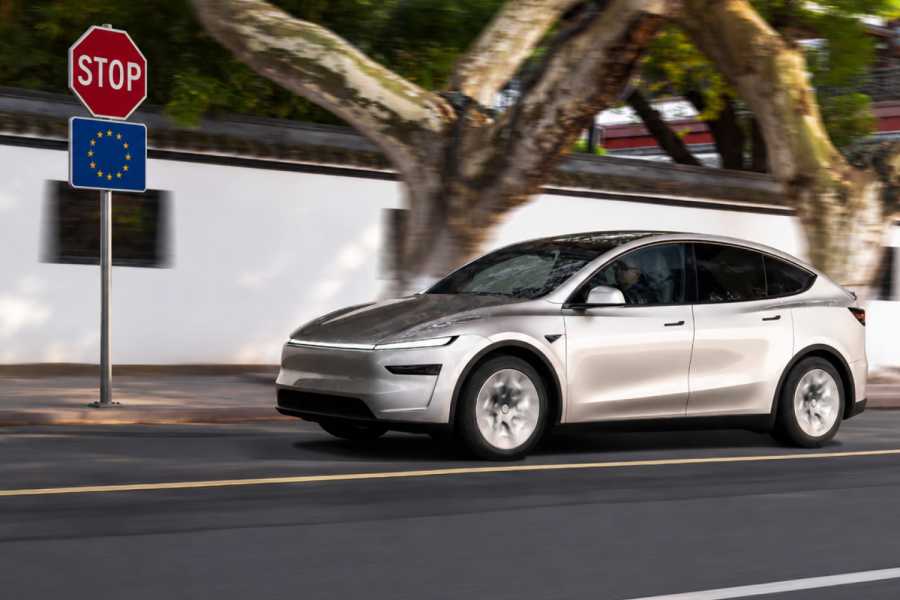





Taxi-Fahrzeuge (Pkw) , Taxi-Newsletter, Taxameter, Taxi-Fahrer , BZP – Deutscher Taxi- und Mietwagenverband , Straßenverkehrsordnung (StVO) , Krankenbeförderung , Weiterbildung , Taxi-Konzessionen , Verkehrspolitik , Mietwagenbranche , Taxi-Apps , Berufskraftfahrer-Qualifikations-Gesetz BKrFQG) , Taxizentralen , Personal, Gehälter, Arbeitsschutz , Wirtschaftsnachrichten , Werbung , Taxi-Folierung , Taxi-Umrüster , Straßenverkehr , Elektromobilität, Taxifuhrpark und -flottenmanagement , Taxi-Versicherungen , Hybrid, Diesel, Erdgas , Taxi-Magazin