Ihr kostenloser Branchen-Newsletter

Lassen Sie sich von unseren Fachjournalisten einmal wöchentlich über die wichtigsten aktuellen Entwicklungen der Taxi-Branche informieren, bequem direkt in Ihre Mailbox.
Aktueller Termin

Meist gelesen
From taxis to tablets: How Uber is now even putting local pharmacies under pressure
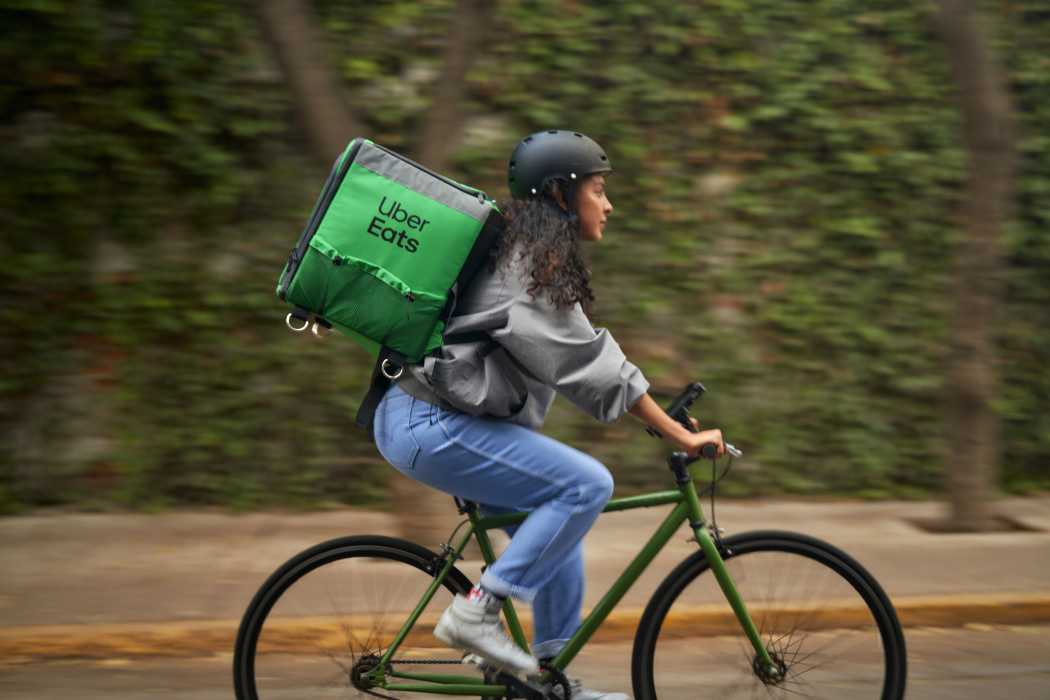
This is made possible by a partnership with the digital platform CURE, which supports pharmacies with their online presence and logistics. At launch, more than 70 pharmacies in 25 German cities are participating, including Berlin, Hamburg, Munich and Cologne. About 8,500 over-the-counter items can be ordered—from pain and cold remedies to dietary supplements and skin and body care products. Premium cosmetics are also part of the range. Delivery is handled by couriers from the existing Uber Eats network, usually within 30 minutes. The delivery fee depends on distance and location.
Prescription medications remain excluded from the service. The reason is obvious: shipping and dispensing such products are subject to strict regulations in Germany and cannot be carried out by couriers. The key to success will therefore be whether customers accept the limited but extensive selection as a practical substitute for a quick trip to the pharmacy.
Local pharmacies to be integrated
Uber is pursuing a clear strategy: According to Uber, the "Health & Wellness" segment has already been tried and tested internationally. In Great Britain and Portugal, the delivery of healthcare products has long been part of the offering. Germany is now following suit—with the stated aim of integrating local pharmacies and opening up digital sales channels for them.
"Health products are a staple of everyday life for many people," says Moritz Bernhard, General Manager of Uber Direct in Germany.
Fast and reliable delivery is therefore an obvious step. Ali El-Ali, co-founder of CURE, emphasizes the role of pharmacies:
"We bring digitalization to where it makes the biggest difference—to people’s everyday lives and to the operations of local pharmacies."
For the sector, the move is not without controversy. While online mail-order pharmacies such as DocMorris or Shop-Apotheke have been serving the market for some time, Uber is banking on a combination of local presence and rapid, on-demand delivery.
The development is also relevant for taxi and courier companies: it shows how large the field of urban delivery services has now become—and how platform providers manage to integrate additional segments into existing structures, thereby appearing ever more indispensable.
Dramatic expansion into more and more areas of life
Uber transports people, electronics (for Saturn Hansa/Media Markt), food, and now also medications. Through Uber, rental cars from Europcar and the like can be booked; Uber is entering medical transport… The entanglement of the American platform operator in citizens’ spheres of life is becoming ever more extensive. Sure, the Uber app is well made and the many features of the app may be incredibly practical—but one should never forget that Uber was only able to build all this on the backs of the taxi industry with highly questionable business practices. Supported by political actors who either did not understand the Uber system or cling to the delusion that the market will be able to regulate everything on its own.
Uber emphasizes that the additional sales channel should be seen by pharmacies not as a threat but as a complement. Taxi operators know that the platform provider’s assurances are to be trusted only to a limited extent.
Content automatically translated.




Taxi-Fahrzeuge (Pkw) , Taxi-Newsletter, Taxameter, Taxi-Fahrer , BZP – Deutscher Taxi- und Mietwagenverband , Straßenverkehrsordnung (StVO) , Krankenbeförderung , Weiterbildung , Taxi-Konzessionen , Verkehrspolitik , Mietwagenbranche , Taxi-Apps , Berufskraftfahrer-Qualifikations-Gesetz BKrFQG) , Taxizentralen , Personal, Gehälter, Arbeitsschutz , Wirtschaftsnachrichten , Werbung , Taxi-Folierung , Taxi-Umrüster , Straßenverkehr , Elektromobilität, Taxifuhrpark und -flottenmanagement , Taxi-Versicherungen , Hybrid, Diesel, Erdgas , Taxi-Magazin