2 Ausgaben kostenlos für Sie

Fachmagazin taxi heute: Ihr Zugang zu exklusiven Inhalten rund um die Taxi- und Mietwagenbranche.
Aktueller Termin

Meist gelesen
Taxis in Germany allegedly too expensive? Why an Uber-related study misses reality.
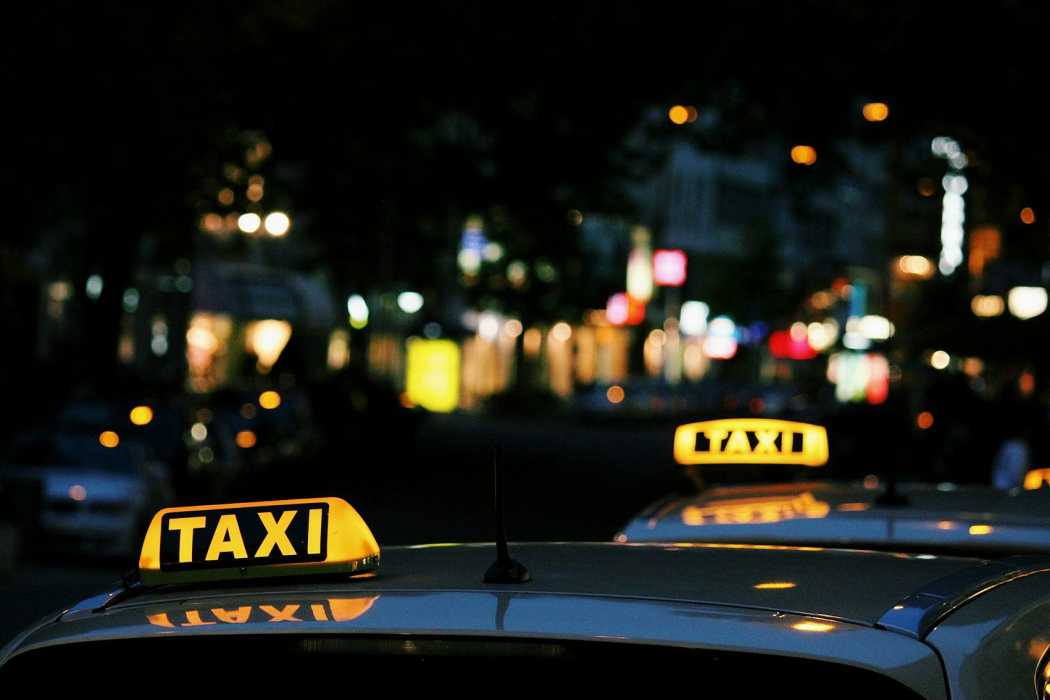
Whoever wants to push through a political demand often presents suitable numbers. Exactly this impression is left by a current study by competition economist Wolfgang Benedikt Schmal, which was prepared on behalf of the federal association "wir fahren". The association represents above all the interests of the rental-car industry, and thus of companies that closely cooperate with platform providers such as Uber. The message of the study is simple: taxi rides are too expensive in German cities in international comparison. Dresden, Munich or Cologne lie well above the prices of many European metropolises. Even New York appears cheaper for a standardized five-kilometer ride.
The clients' conclusion didn't take long to emerge. The fault lies with the state-mandated tariff binding. More price competition would lower prices.
“To get back down from this price level, we need flexibility,” says co-chairman Thomas Mohnke.
Companies should be able to adjust their prices more closely to supply and demand. That sounds plausible at first. But those who look more closely quickly see the weaknesses of the argument.
Price alone tells only half the story
The study compares ride prices. What it does not compare are the conditions under which these ride prices arise. This is precisely where the critique of the Federal Association of Taxi and Rental Cars (BVTM) sets in. Managing Director Michael Oppermann sums up the problem:
“Taxi driving in Germany has a price that ensures the driver is employed under mandatory social security contributions.”
This sentence describes the decisive difference between the German taxi trade and many platform models. In Germany, taxi companies are subject to extensive legal obligations. These include social contributions, working-time regulations, collective agreements, concession requirements, the obligation to transport, the obligation to operate, and an around-the-clock transportation service. Taxis must also drive even when a trip is economically unattractive—for example at night, in peripheral areas or for short distances. These obligations incur costs.
“Around two-thirds of the costs are accounted for by personnel,” explains Oppermann. “In addition, there are vehicles, fuel, insurance, workshop costs and numerous regulatory requirements.”
Therefore, his question is justified:
“I cannot understand how one could seriously conduct an economic study of taxi fares without also examining the cost structure of the companies.”
In fact, the study at this point appears remarkably one-sided. It evaluates prices, but does not examine whether these prices are necessary to finance the service provided.
Comparison with New York is flawed
Notably, the claim that a taxi ride in New York is cheaper than in Munich or Dresden is particularly striking. But international price comparisons in passenger transport are notoriously difficult. Labor costs, social security systems, insurance premiums, tax burdens, vehicle costs and regulatory requirements differ considerably.
A taxi ride is not a standardized industrial product. It arises under very different economic conditions. Those who merely compare the final price of a five-kilometer ride can indeed make headlines. Whether credible economic-policy conclusions can be drawn from this remains another question.
The real political message
What is more interesting is not so much the price list itself as the political thrust of the study. The association 'wir fahren' ultimately calls for greater price freedom for the market. That is not surprising. Rental car companies and platform intermediaries benefit from flexible prices because they can adjust their offers at short notice to demand and competition. The taxi, by contrast, pursues a different approach. The government-set tariff is intended to prevent ruinous competition and to prevent individual providers from driving fares permanently below actual costs. This exact problem can be observed in numerous liberalized markets. There, prices often fall sharply at first. In the long run, however drivers and smaller businesses come under pressure, while large platforms gain market share. The supposedly cheap ride is then often financed by worse working conditions and declining incomes.
The city comparison also raises questions
Additionally, there is another point of criticism. The study names numerous cities but does not convincingly explain why exactly these municipalities were chosen. The BVTM notes that cities such as Prague, Sofia, Tallinn or Zagreb are missing. There, taxi prices according to the association's data are also partly high. A comprehensive European market analysis looks different. Whoever selects certain cities and omits others inevitably influences the outcome.
What passengers actually buy
In public debate, the taxi is often reduced to the fare. Passengers buy more than just a ride from A to B. They buy availability, reliability, and a legally regulated service. They can be sure that the driver is insured, the vehicle is inspected, and the price will not suddenly explode because rain starts or a concert ends.
That is precisely why the taxi tariff exists.
The current study suggests that the market could provide the same service more cheaply if price controls are loosened. However, it does not provide robust evidence for this. It shows, above all, one thing: The debate about the future of the taxi industry is increasingly focused on the fare alone. The question of who ultimately bears the costs of a comprehensive mobility provision often remains unanswered. For the taxi industry, that is exactly the crucial point. Not the price of a single ride, but the financing of a system that reliably transports millions of people every day.
Content automatically translated.


Taxi-Fahrzeuge (Pkw) , Taxi-Newsletter, Taxameter, Taxi-Fahrer , BZP – Deutscher Taxi- und Mietwagenverband , Straßenverkehrsordnung (StVO) , Krankenbeförderung , Weiterbildung , Taxi-Konzessionen , Verkehrspolitik , Mietwagenbranche , Taxi-Apps , Berufskraftfahrer-Qualifikations-Gesetz BKrFQG) , Taxizentralen , Personal, Gehälter, Arbeitsschutz , Wirtschaftsnachrichten , Werbung , Taxi-Folierung , Taxi-Umrüster , Straßenverkehr , Elektromobilität, Taxifuhrpark und -flottenmanagement , Taxi-Versicherungen , Hybrid, Diesel, Erdgas , Taxi-Magazin