VISION mobility kostenlos Probelesen

Die Zeitschrift VISION mobility richtet sich an mobilitätsbegeisterte Menschen bzw. Flottenmanager und begleitet den Technologiewandel in Sachen Automotive und Mobilität.
Aktueller Termin

Meist gelesen
Taxi Today Test Toyota Corolla Touring 2.0 Hybrid: Taxi Drivers' (and Uber Drivers') Darling
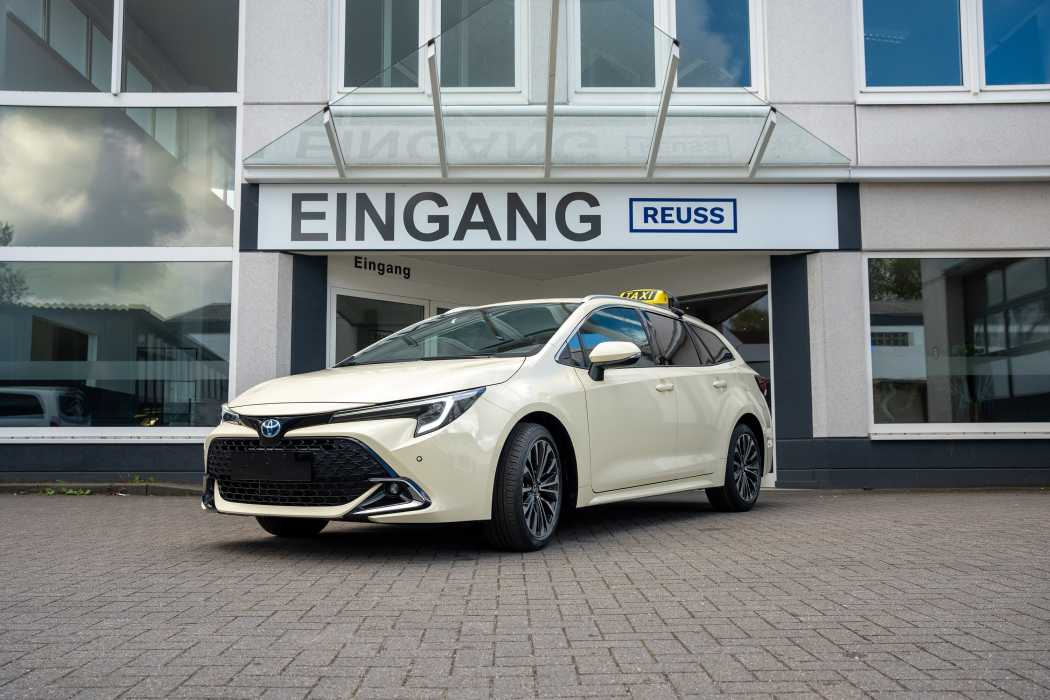
Whoever opens the Uber app in German metropolises such as Berlin, Munich or Frankfurt late in the evening does not have to guess which vehicle will turn the corner. The probability that it is a Toyota Corolla Touring Sports borders on certainty. But also in the taxi business the Corolla Touring is ubiquitous.
Toyota Hybrid Displaces Mercedes Diesels
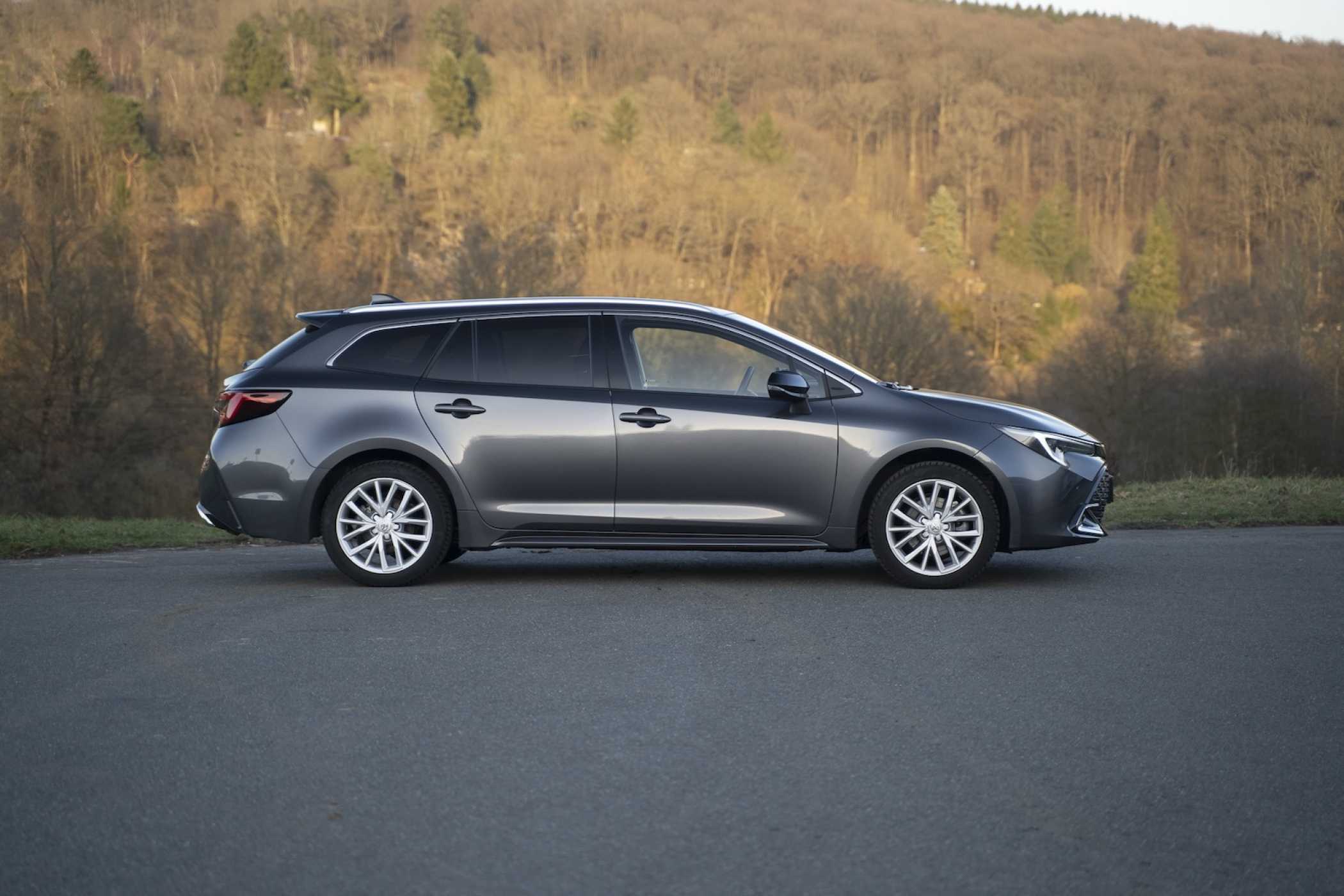
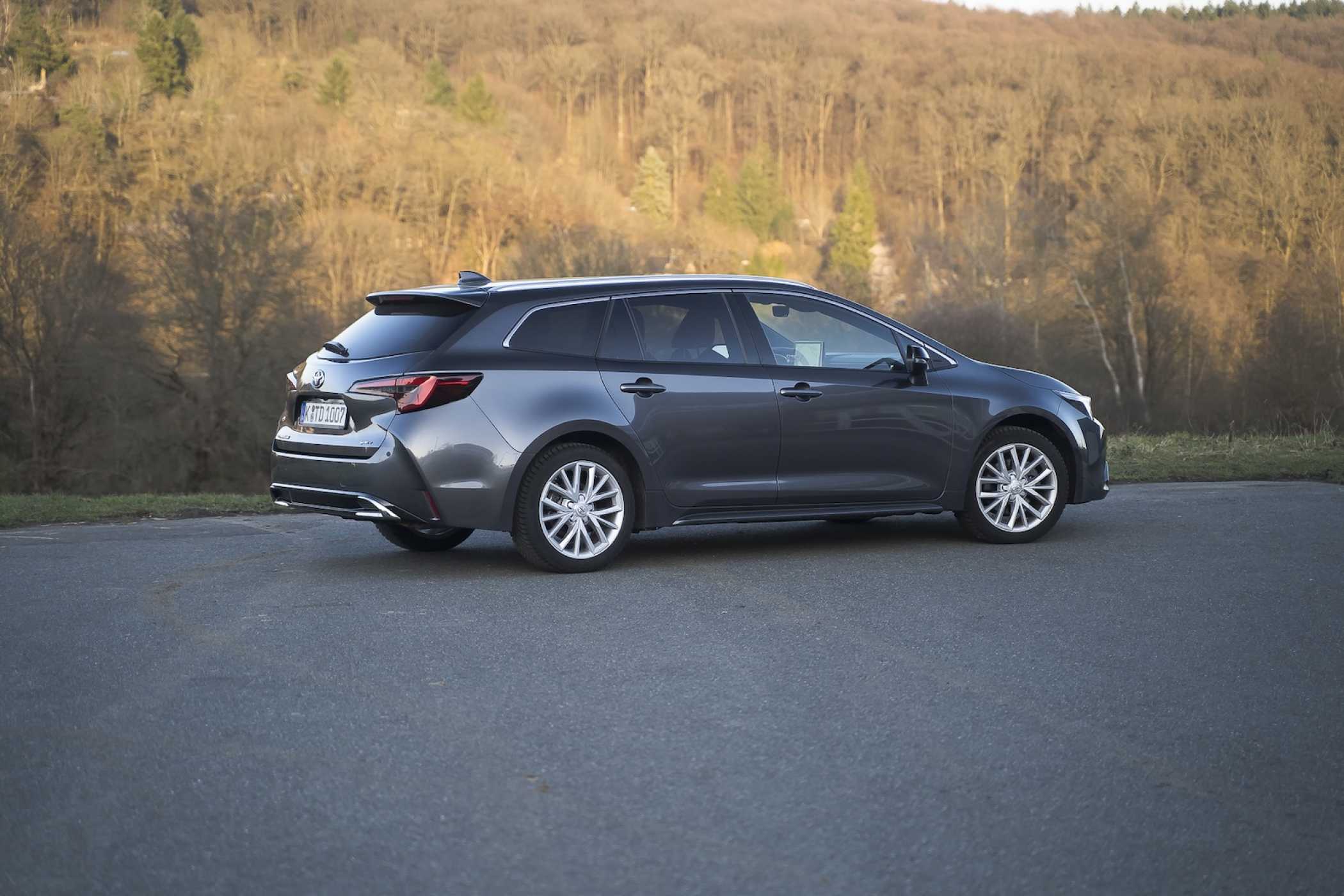
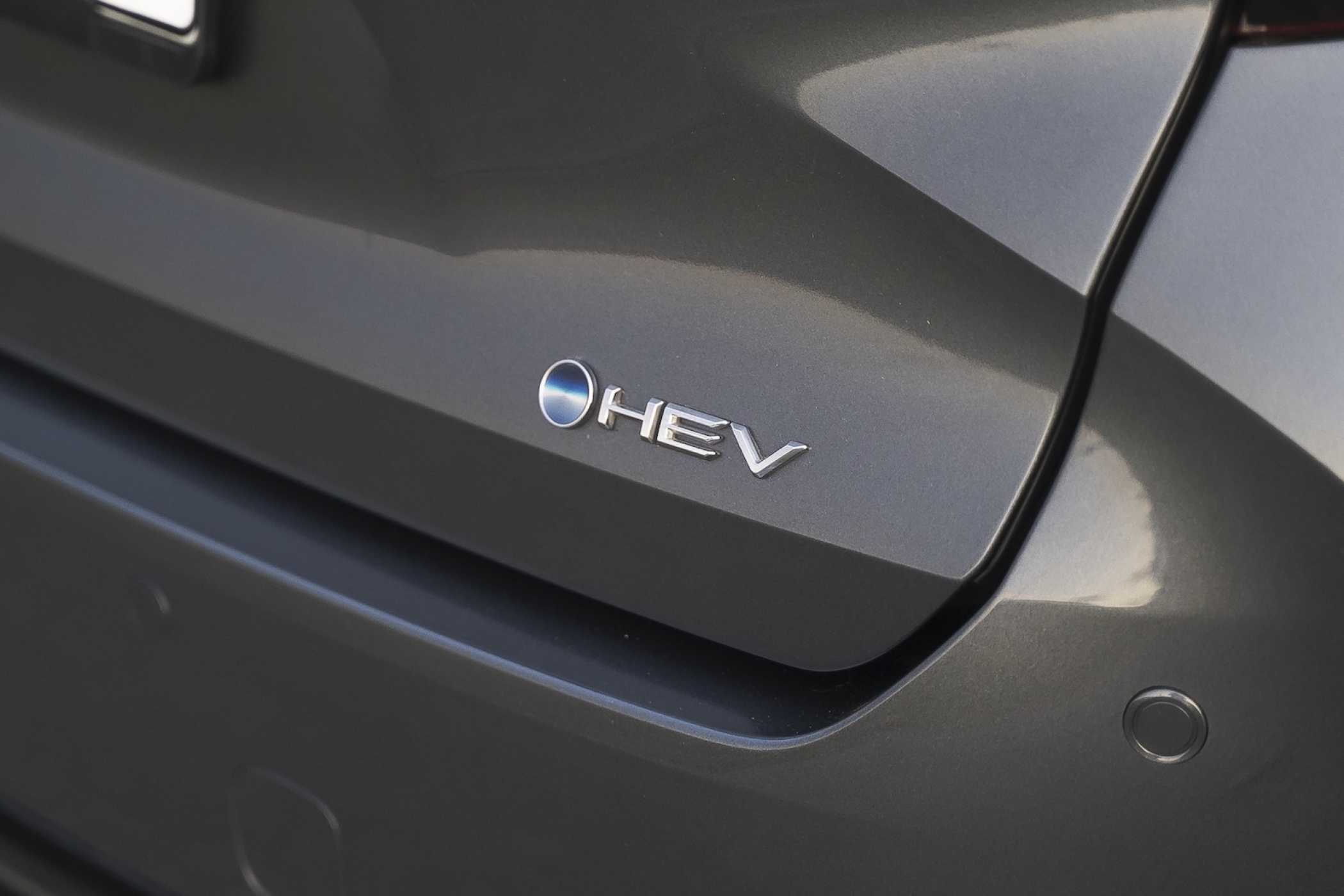
The Japanese station wagon has long since displaced the Mercedes-Benz E-Class diesel as the undisputed ruler of passenger transport. But is this car merely the result of a sharp fleet calculation, or does the pragmatic body really hide a brilliant everyday companion? Whoever goes after customers in the compact mid-size segment must master the automotive balancing act: the car should be practical, efficient anyway, but please also look visually appealing. In contrast to its rather arbitrarily styled predecessors, the Toyota Corolla Touring Sports clearly delivers here. At a length of 4.65 meters, the Japanese car stretches gracefully across the asphalt. The dynamically designed, relatively low silhouette and the sharp front end deftly conceal the pragmatic core of the vehicle.










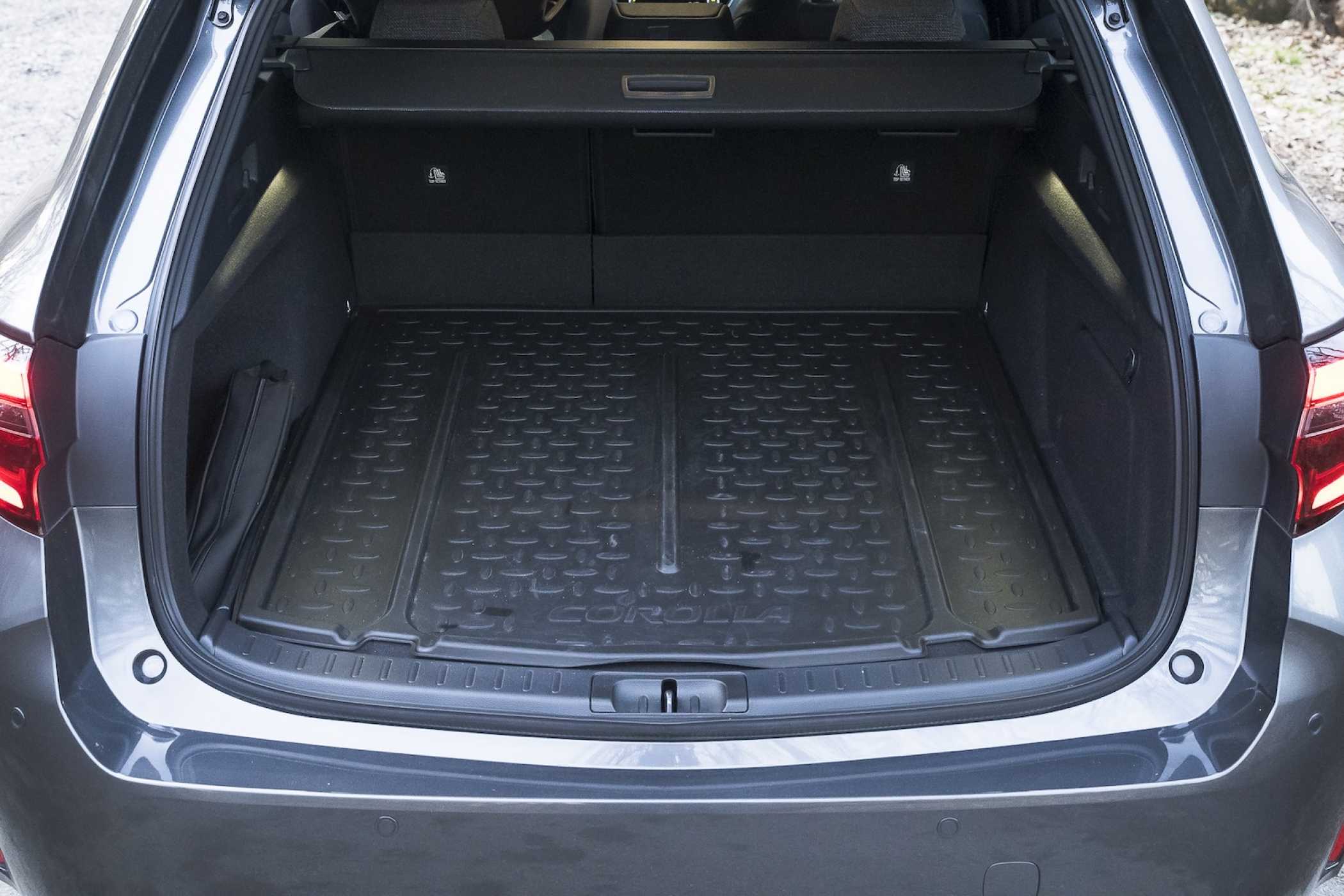

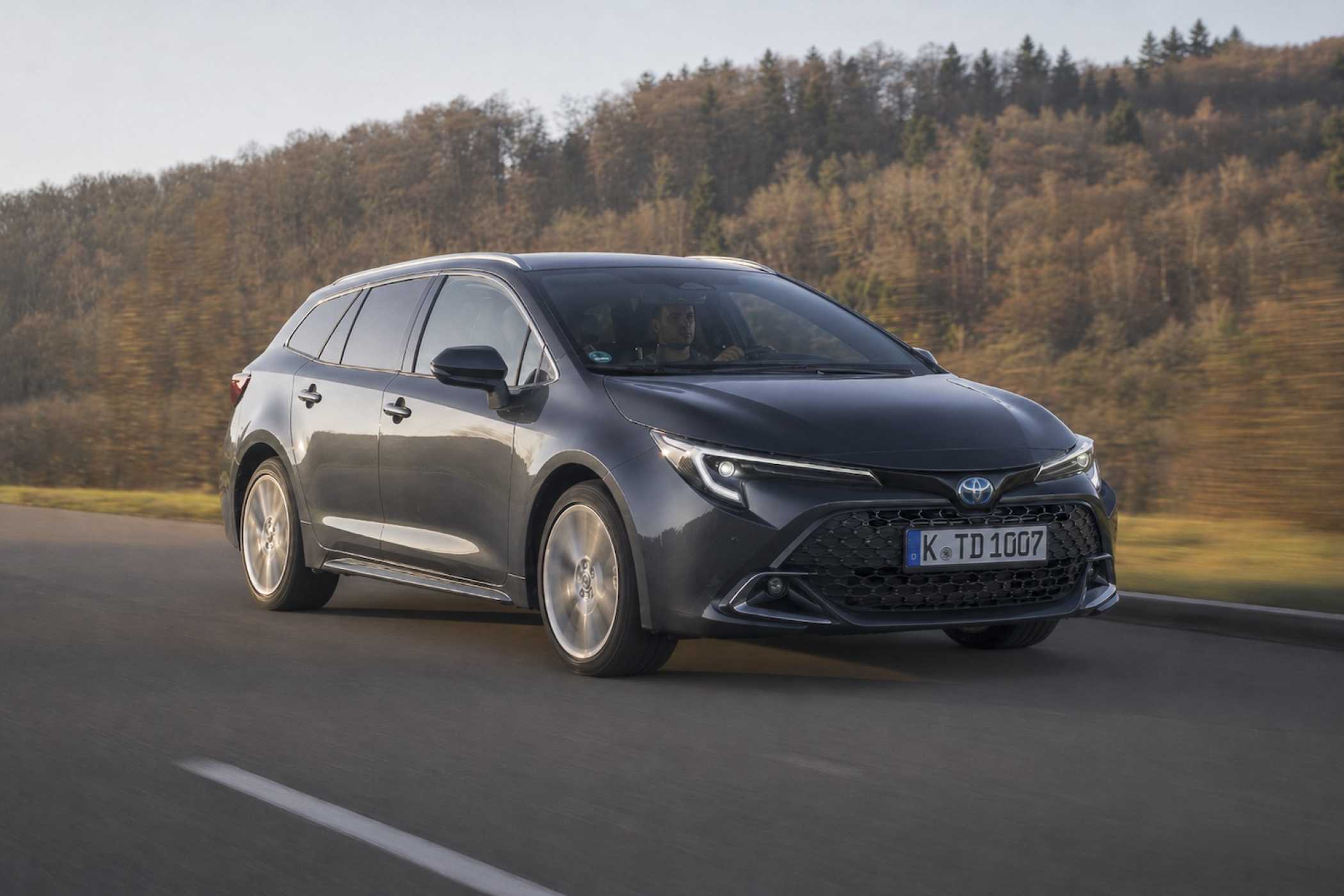



Rear seating is rather tight
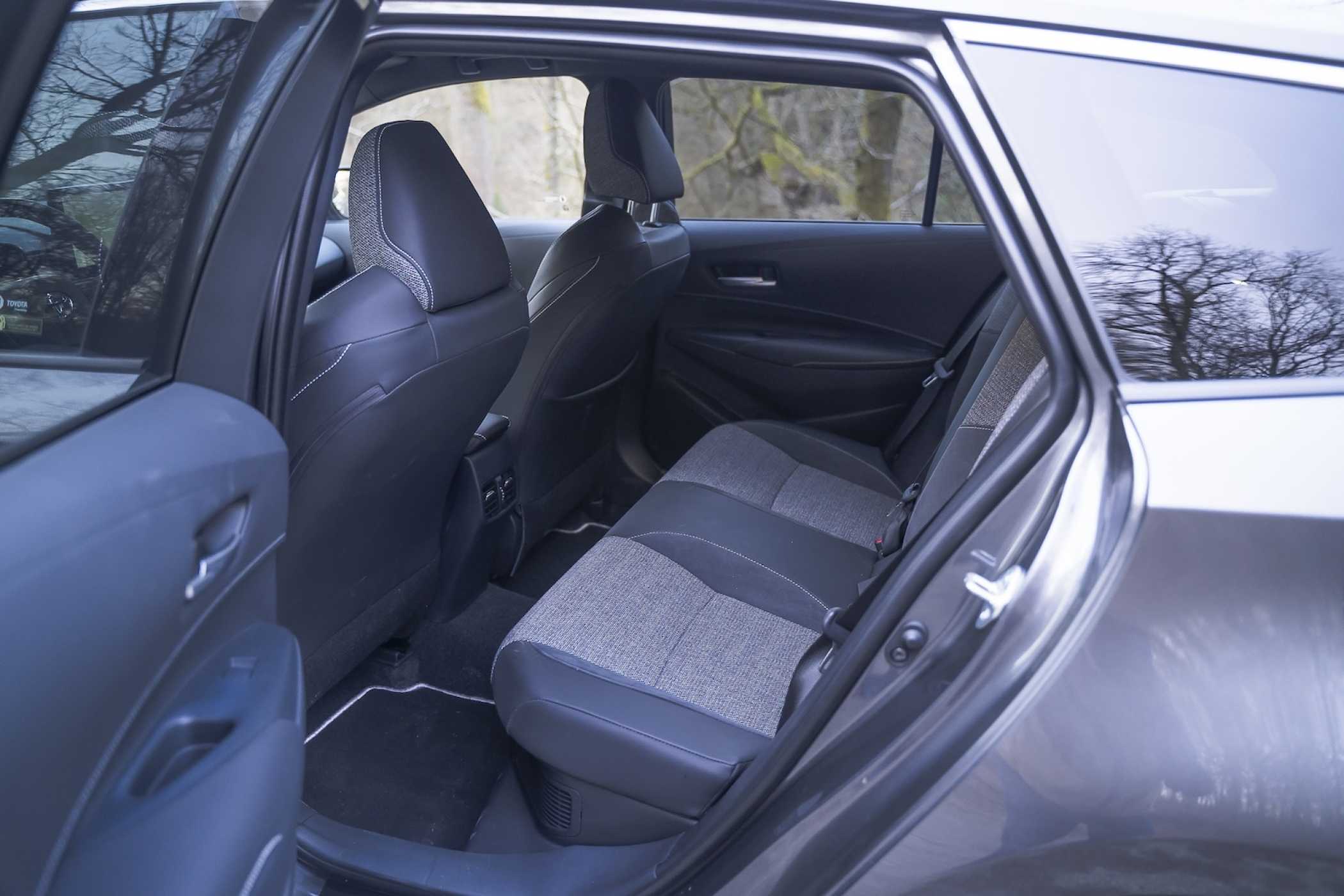
Yet where there is light, there is, as the saying goes, also shadow: The sporty roofline and the general packaging demand their toll in the rear. In the second row, for tall passengers it is noticeably tighter than in proclaimed space wonders like a Skoda Octavia. Consolingly, the view behind the tailgate: The cargo volume from 581 to a maximum of 1,591 liters is fabulous. That the 2.0-liter hybrid loses a few liters compared to the 1.8-liter version, which is due to the 12-volt battery relocated into the rear underbody, is gladly forgiven. A very low loading edge, a perfectly flat loading floor with folded seats, and the all-round solid usability make it a reliable transport pro. Also in the front row there is sunshine: The driver and passenger sink into excellently contoured seats, enjoy generous space and an ergonomic design that places people at the center, not the machine.
Intuitive operation and "unbreakable" interior
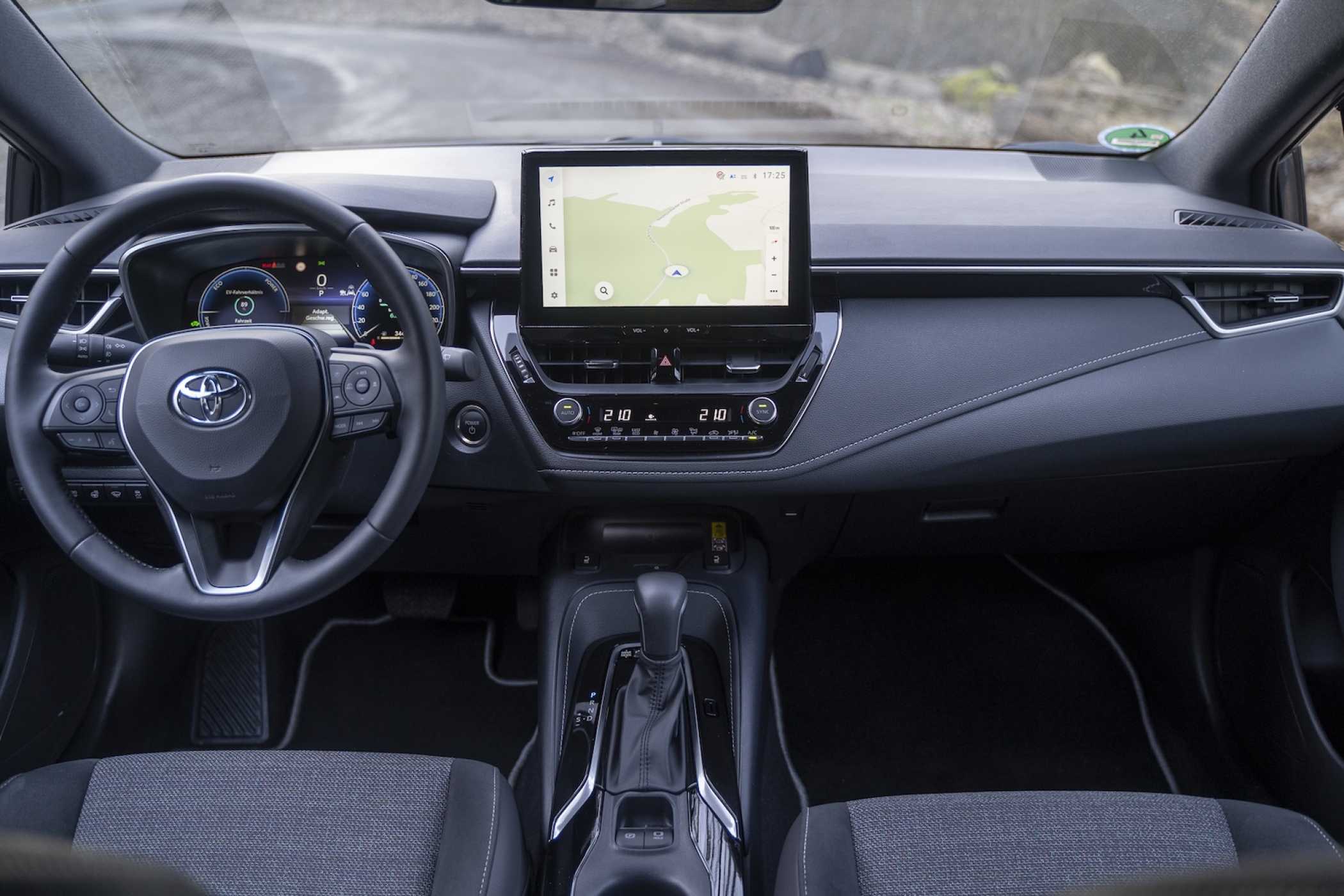
For when you sit in the driver's seat, one of Toyota's current biggest strengths reveals itself: the resistance to the rampant touch craze. Fortunately, the Japanese preserve real, physical buttons and cleanly detented knobs for the climate control. This guarantees a distraction-free and completely intuitive operation while driving, a blessing in today's touch jungle. Nevertheless, the Corolla has long since arrived in the digital age. The infotainment system, long the Achilles' heel of the Japanese, was clearly upgraded with the last facelift. Since the current model update, the driver looks at a sharp, highly customizable 12.3-inch instrument display. The central 10.5-inch touch display now responds pleasantly quickly, shines with a logical menu structure and binds the smartphone via Apple CarPlay and Android Auto completely wired and, above all, seamlessly integrated. The material feel is solid: The plastics and surfaces are clearly designed for durability rather than short-term premium shine. Everything is extremely well finished, absolutely creak-free and exudes that unbreakable aura that one expects from the brand.
Often all-electric in the city
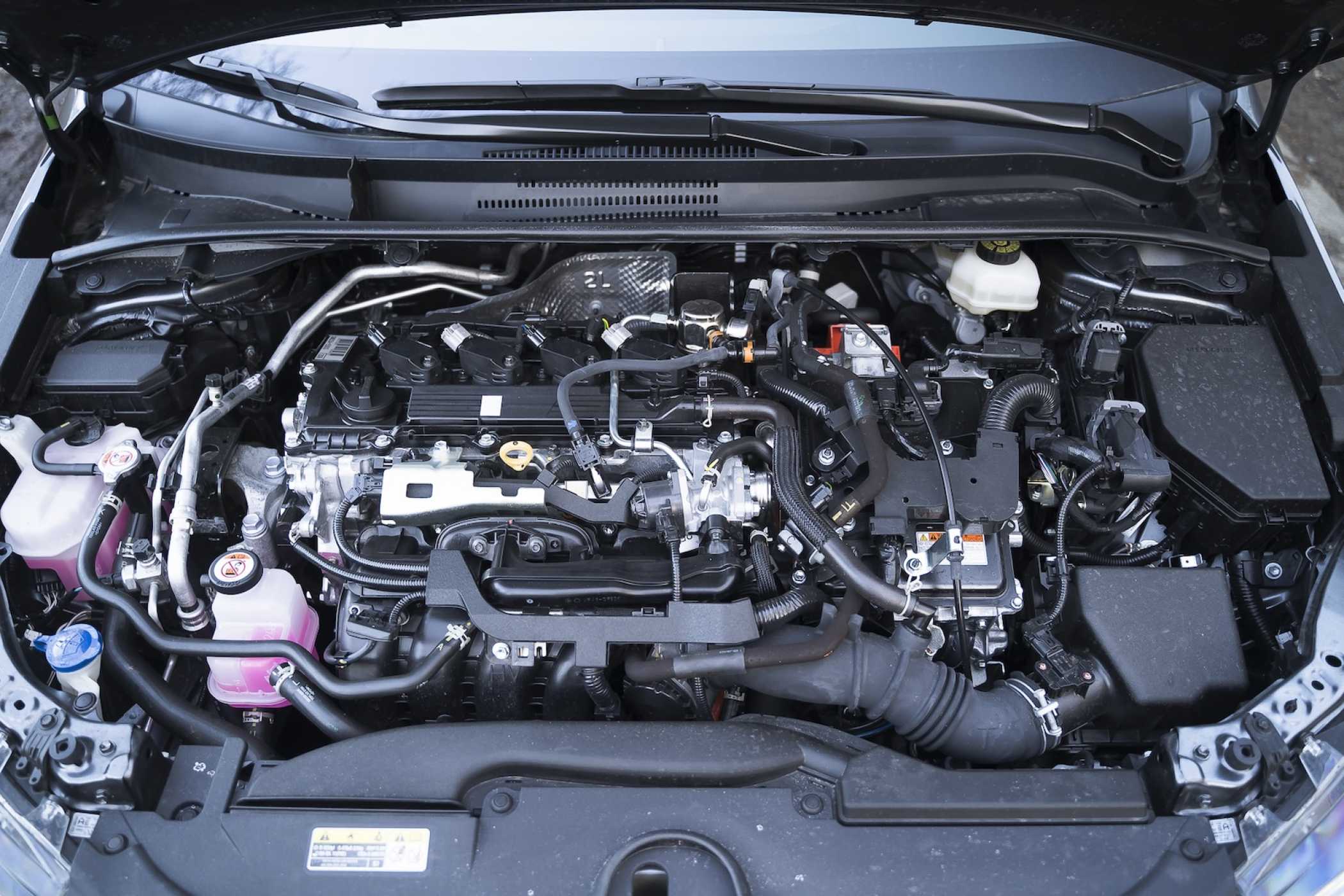
The real heart of the Corolla, however, is the powertrain. From the very first kilometres in the urban jungle, the Japanese reveal the secret of its Uber-Dominance: the fifth generation of Toyota's hybrid system. While European rivals long relied on delicate dual-clutch transmissions and complex plug-in hybrids, Toyota perfected the full hybrid. The 2.0-liter four-cylinder works almost symbiotically with its powerful electric motors. In the city, the Corolla surprisingly often runs purely electric and whisper-quiet, with the driver display sometimes showing values well over 50 percent of the distance traveled electrically.
The infamous planetary gearset, which in earlier generations often caused a loud whine at modest propulsion, has been significantly refined in the current Corolla. While the so-called rubber-band effect at full throttle on highway on-ramps or when testing the 0-100 km/h sprint in 7.5 seconds is physically inherent, the 196 hp system output and the immediate electric punch mean you hardly ever need to rev that high. The car glides confidently, quietly, and with a virtually meditative calm through traffic.
Souveränes Fahrwerk
That this relaxed rationality doesn't have to be boring is demonstrated by the Corolla when turning in. The stiff TNGA platform is an engineering feast. It pushes the center of gravity down low and uses a sophisticated multi-link design at the rear axle. The result is handling you'd hardly expect from a car tuned so rational. The wagon's suspension responds reliably, absorbs short transverse joints with ease, and on winding country roads can be steered with astonishing, almost nimble precision, without sacrificing everyday ride comfort. The only compromises the Corolla requires on the fast highway leg: at speeds beyond 140 km/h, wind and road noise intrude slightly more into the cabin. Here you can tell that, in direct comparison to the upscale mid-size class, a few kilos of sound-damping material have been saved.
Up to 250,000-kilometer warranty
The Corolla's standout strength, however, remains its economy. Even with more dynamic driving or endless stop-and-go in rush-hour traffic, it's a real feat to push consumption beyond the six-liter mark. Realistically, the 2.0-liter hybrid settles at impressive 4.5 to 5.5 liters per 100 kilometers. Coupled with the legendary reliability of Toyota's technology and the 'Toyota Relax' warranty, which, with regular maintenance at the dealership, extends to up to 15 years or 250,000 kilometers, the Corolla becomes an absolute cost-of-ownership no-brainer.
A sensible choice with a fun factor
In addition, the dramatically reduced wear costs: The strong regenerative braking of the electric motor slows the car smoothly in most situations and significantly protects the hydraulic braking system. All in all, the Toyota Corolla Touring Sports 2.0 Hybrid is a rational automotive choice that surprisingly delivers a lot of fun. Taxi drivers (and ride-hailing drivers) around the world are not wrong. If you are looking for a car that trades prestige for unwavering reliability, that shines with a superior, exceptionally economical drivetrain, and that in everyday use poses no riddles, you will find the current Corolla to be the perfect companion.
For us at the wheel: Fabian Mechtel; press-inform
Technical data Toyota Corolla Touring Sports 2.0 Hybrid
Specifications, data, engine
2,0-Liter-Vierzylinder-Benziner + Elektromotor (Vollhybrid)
Getriebe
Continuously variable automatic transmission (e-CVT)
Antrieb
Front-wheel drive
Leistung (Verbrenner)
98 kW / 133 PS
Drehmoment (Verbrenner)
190 Nm
Leistung (Elektromotor)
83 kW / 113 PS
Systemleistung
132 kW / 180 PS
Systemdrehmoment
190 Nm
Höchstgeschwindigkeit
180 km/h
0-100 km/h
ca. 7,5 Sekunden
Verbrauch (WLTP)
4,6 l/100 km (Testverbrauch: 5,1 l/100 km)
CO₂-Emissionen (WLTP)
100 g/km (CO₂-Klasse C)
Batteriekapazität
1,4 kWh (Nickel-Metallhydrid)
Länge x Breite x Höhe
4.650 mm x 1.790 mm x 1.460 mm
Kofferraumvolumen
581 – 1.591 Liter
Leergewicht
1.515 kg
Listenpreis
ab 39.090 Euro
Content automatically translated.


Taxi-Fahrzeuge (Pkw) , Taxi-Newsletter, Taxameter, Taxi-Fahrer , BZP – Deutscher Taxi- und Mietwagenverband , Straßenverkehrsordnung (StVO) , Krankenbeförderung , Weiterbildung , Taxi-Konzessionen , Verkehrspolitik , Mietwagenbranche , Taxi-Apps , Berufskraftfahrer-Qualifikations-Gesetz BKrFQG) , Taxizentralen , Personal, Gehälter, Arbeitsschutz , Wirtschaftsnachrichten , Werbung , Taxi-Folierung , Taxi-Umrüster , Straßenverkehr , Elektromobilität, Taxifuhrpark und -flottenmanagement , Taxi-Versicherungen , Hybrid, Diesel, Erdgas , Taxi-Magazin