VISION mobility kostenlos Probelesen

Die Zeitschrift VISION mobility richtet sich an mobilitätsbegeisterte Menschen bzw. Flottenmanager und begleitet den Technologiewandel in Sachen Automotive und Mobilität.
Aktueller Termin

Meist gelesen
VDV Rheinland in dialogue with the City of Koblenz: Securing fair competitive conditions in taxi and rental car services.
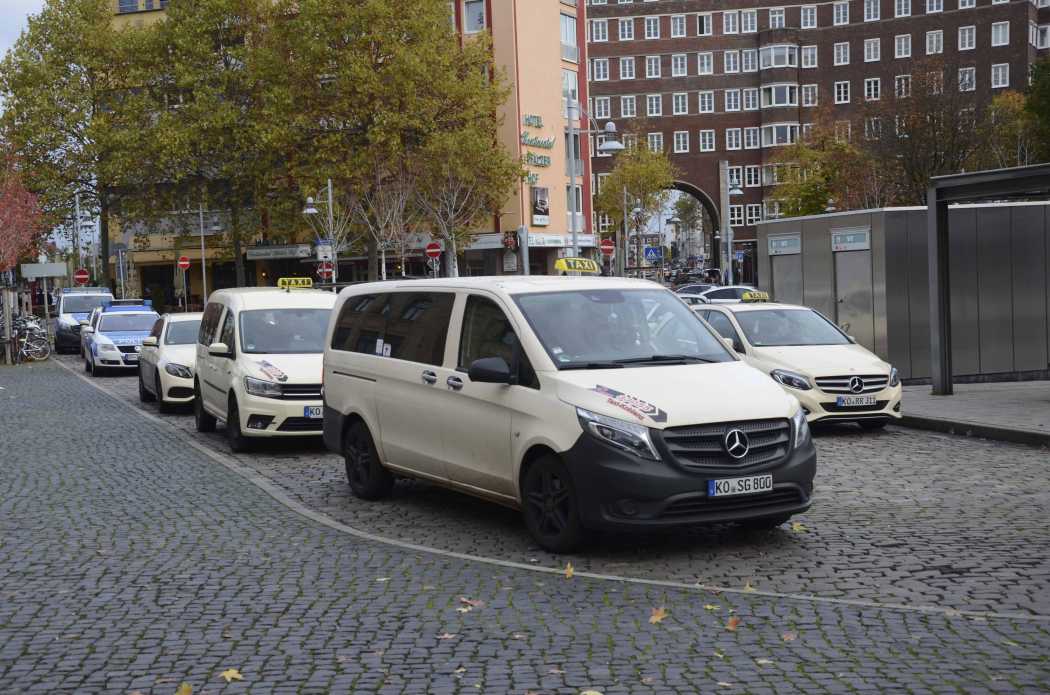
Competition, yes, but please under the same rules: With this demand the Association of the Rhineland Transport Industry (VDV Rheinland) has presented itself to Koblenz's city leadership. After discussions with the SPD city council faction, association representatives met this week with Lord Mayor David Langner, Mayor Dr. Dagmar Kranz, and representatives of the Office of Public Order. The reason is the increasing competitive pressure from digital ride-hailing platforms such as Uber. For the industry it is not about fundamentally preventing new mobility offerings. What is decisive is that the legal requirements for taxi and hire-car companies are complied with.
„Our member companies are under considerable economic pressure in some cases. Many business owners have great concerns about the future of their businesses. We take these concerns very seriously,“ says VDV managing director Guido Borning. „What matters, however, is that the legal rules apply to all market participants and that they are observed.“


Permits and Return-to-Base Obligation in Focus
The association regards the examination of the prerequisites for a proper rental-car operation as particularly critical. Already in the approval procedure the authority must take a close look: Is the operating base actually suitable? Does the operational organization function? Are the legal requirements being observed? Another point of contention is the return-to-base obligation for rental cars. Unlike taxis, rental cars are not allowed to wait on the street for the next assignment. After a trip they must generally return to the operating base, unless there is a new transport order. The VDV Rheinland regards strict enforcement of this provision as indispensable. If the rules are not observed, this can distort competition to the detriment of licensed taxi companies from the association's perspective.
„A functioning taxi industry is an important part of local mobility provision,“ says Ted Röhrig, head of the taxi division. „If competition distortions arise from disregard of statutory requirements, this could have long-term significant effects on the existing traffic structures.“
The association seeks dialogue – also in Mainz
The talks in Koblenz are considered constructive by VDV Rheinland. The city has shown willingness to engage with the legal options for action. Whether this will lead to concrete controls or further measures remains to be seen. The association nevertheless wants to keep up the pressure. Together with its umbrella association MOLO, it has already prepared a handout on the legal requirements and municipal options for action in dealing with Uber and other platforms, and made it available to the responsible licensing authorities. In early December, a meeting with State Secretary Markus Wolf in Mainz is also planned. Borning states the expectation clearly:
“Competition is absolutely fine, but with the same rules for everyone.”
The message to the authorities is thus clear: There is no need for new rules if the existing ones are applied consistently. For taxi companies, it could be decisive whether the talks become more than a friendly exchange — namely a tangible and legally secure enforcement of the passenger transport law.
Content automatically translated.





Taxi-Fahrzeuge (Pkw) , Taxi-Newsletter, Taxameter, Taxi-Fahrer , BZP – Deutscher Taxi- und Mietwagenverband , Straßenverkehrsordnung (StVO) , Krankenbeförderung , Weiterbildung , Taxi-Konzessionen , Verkehrspolitik , Mietwagenbranche , Taxi-Apps , Berufskraftfahrer-Qualifikations-Gesetz BKrFQG) , Taxizentralen , Personal, Gehälter, Arbeitsschutz , Wirtschaftsnachrichten , Werbung , Taxi-Folierung , Taxi-Umrüster , Straßenverkehr , Elektromobilität, Taxifuhrpark und -flottenmanagement , Taxi-Versicherungen , Hybrid, Diesel, Erdgas , Taxi-Magazin