2 Ausgaben kostenlos für Sie

Fachmagazin taxi heute: Ihr Zugang zu exklusiven Inhalten rund um die Taxi- und Mietwagenbranche.
Aktueller Termin

Meist gelesen
Hamburg's E-taxi expansion stalls despite subsidy programs
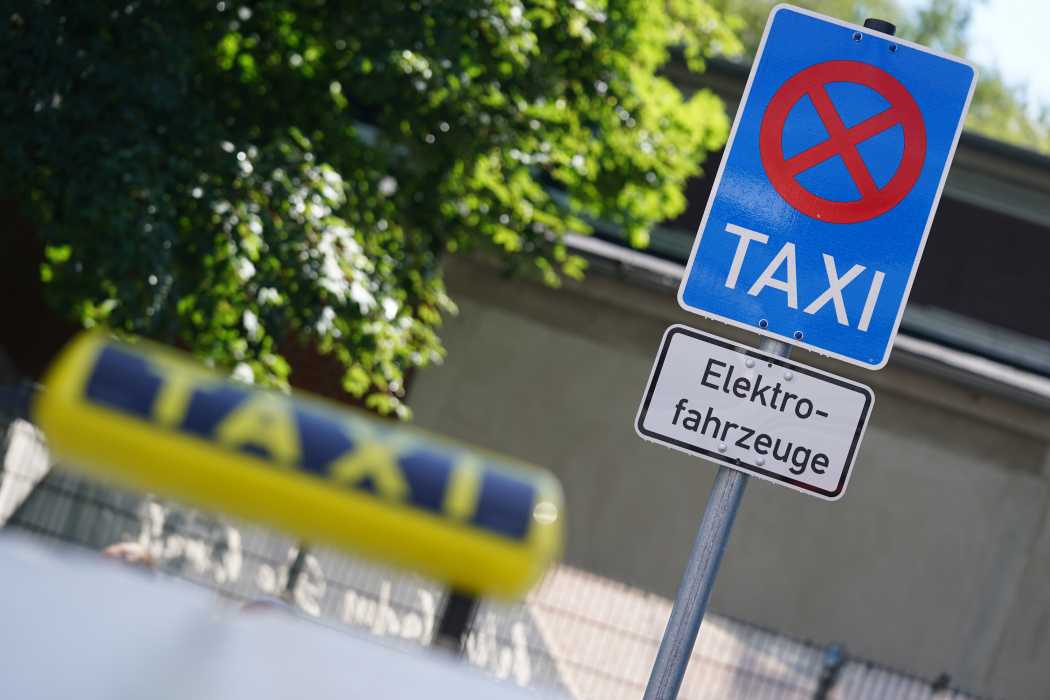
The number of locally emission-free taxis in Hamburg is stagnating. According to a response from the Hamburg Senate to a minor inquiry by CDU transport expert Philipp Heißner, a total of 697 E-taxis were registered at the end of June 2025. This number is almost at the level of the previous year (672 E-taxis) and even slightly below the figure from September 2024 (698 E-taxis).
Broken Growth Trend
Between 2020 and 2023, the proportion of electric taxis in Hamburg had significantly increased—from 0.14 to 20.71 percent. This upward trend has recently slowed down. By the end of 2024, the share was 22.31 percent, and it currently stands at 23.33 percent. At the same time, the total number of taxis registered in Hamburg has decreased by around two percent during the same period—from 3,070 to 2,987 vehicles.
Only Emission-Free New Registrations Since the Beginning of the Year
Since January 2025, only locally emission-free vehicles can be newly registered as taxis in Hamburg. New concessions have not been granted since June 2024, in order to keep the total number of taxis constant. Vehicles can now only be replaced within the existing fleet.
Support through the "Future Taxi" project
The switch to emission-free vehicles has been supported since 2021 by the "Future Taxi" project. The Senate provides funding to facilitate the transition for companies.
Problems with vehicle selection and infrastructure
The inquiry reveals that, according to the CDU, there is still no sufficient selection of affordable and operationally reliable e-taxi models available on the market. The charging infrastructure is also considered inadequate – currently, only seven special taxi charging stations are available in Hamburg. Many companies have therefore continued to purchase combustion-engine vehicles before the new regulation comes into effect in January.
Reluctance in Vehicle Exchange
The number of vehicle exchanges within the existing fleet is currently low. According to the senate, only 35 taxis have been exchanged this year. The city cites a decline in demand while there is simultaneously a high supply of taxis as a reason. As a result, the proportion of locally emission-free vehicles is also stagnating.
Content automatically translated.


Taxi-Fahrzeuge (Pkw) , Taxi-Newsletter, Taxameter, Taxi-Fahrer , BZP – Deutscher Taxi- und Mietwagenverband , Straßenverkehrsordnung (StVO) , Krankenbeförderung , Weiterbildung , Taxi-Konzessionen , Verkehrspolitik , Mietwagenbranche , Taxi-Apps , Berufskraftfahrer-Qualifikations-Gesetz BKrFQG) , Taxizentralen , Personal, Gehälter, Arbeitsschutz , Wirtschaftsnachrichten , Werbung , Taxi-Folierung , Taxi-Umrüster , Straßenverkehr , Elektromobilität, Taxifuhrpark und -flottenmanagement , Taxi-Versicherungen , Hybrid, Diesel, Erdgas , Taxi-Magazin