2 Ausgaben kostenlos für Sie

Fachmagazin taxi heute: Ihr Zugang zu exklusiven Inhalten rund um die Taxi- und Mietwagenbranche.
Aktueller Termin
Meist gelesen
Waymo touts safety for robotaxis: Can a driverless car really protect women?
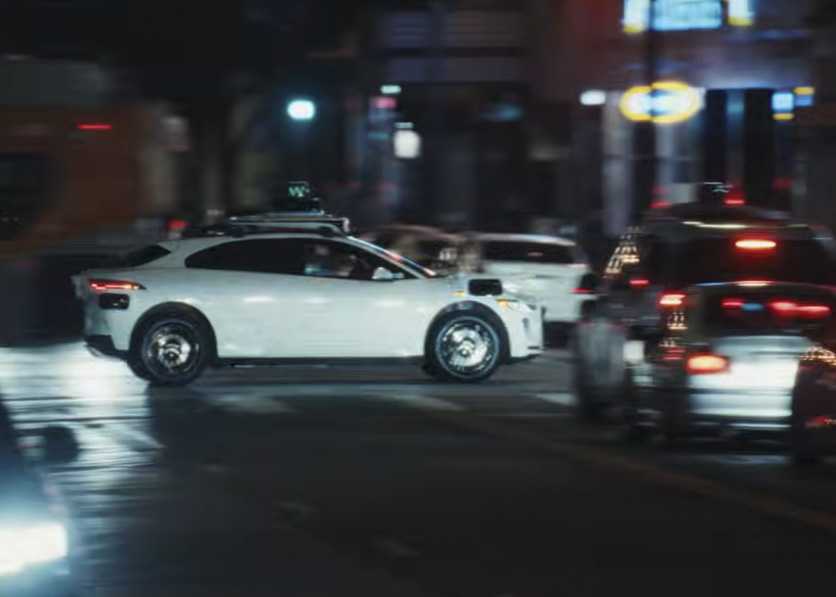
If you want to convince women of the benefits of a driverless taxi, you should probably not start with fear. That's exactly what Waymo is doing anyway. The U.S. robotaxi provider puts women's safety concerns at the center in a new commercial. The message: Traveling without a human driver can feel more at ease. That sounds plausible at first. But on closer inspection the campaign raises a question that Waymo would probably prefer not to answer in detail: What actually happens if something goes wrong along the way — or if the danger doesn't come from road traffic? The roughly one-minute spot shows women looking around on the way home, keeping their keys at hand and pretending to have a conversation on the phone. These are familiar precautions that many women know when they are out alone at night. The voiceover echoes such advice: keep your keys ready before leaving a bar, or ask someone to accompany you to the car. In the end a woman gets into a Waymo robotaxi, closes the door and breathes a sigh of relief. The vehicle becomes a personal safe space. The advertisement slogan reads: "For women. For a reassuring feeling."
Waymo is selling not only autonomous mobility but a sense of security. According to the company, more than half of female riders say they feel safer in a Waymo vehicle. The argument is understandable: No unfamiliar driver sits in the car with you, no one can during the ride create unwanted proximity or violate personal boundaries. Even human drivers are not immune to misconduct. Experiences of sexual assaults in the ride-hailing business have eroded the trust of many passengers. Uber and Lyft respond to this, among other things, with offerings that allow women to ride primarily with female drivers.


A car can't watch out everywhere
But Waymo's safety promise has limits. The spot shows a woman who must initially walk alone along a dark street to reach the robotaxi. What happens if she is harassed or attacked along the way? A human taxi driver might notice such a situation, get out, fetch help, or at least respond immediately. An autonomous vehicle cannot do that as readily. Indeed, passengers can dial the emergency call 911 via the app, by phone, or through the display in the vehicle. The car can stop in certain incidents, communicate via loudspeakers, and wait for help. A support team is also available. But that is not the same as a person who recognizes danger before the passenger himself or herself has to ask for help. And someone attacked outside the vehicle may not even be able to reach for a smartphone.
Waymo acknowledges that safety goes beyond preventing traffic accidents. This also includes the travel experience, accessible support, and the ability to make informed decisions during the ride. The company states that it takes threats, harassment, and violence against passengers particularly seriously. But: how much assistance a driverless car can actually provide depends on what its systems can perceive in the first place and what measures they can initiate. Even in the case of technical problems, the limits of autonomy become evident. If a vehicle becomes stranded, passengers should stay in the car first while the problem is resolved or a roadside assistance team is summoned. In certain situations, an employee can assist at the wheel. That sounds like a functioning safety net, but it does not replace immediate human presence.
Human Attention Is Not an Obsolete Model
The campaign uses a real societal problem to make a new technology more attractive. From a company's point of view, that's understandable. It becomes troubling when the legitimate fears of women are turned into a sales argument, without clearly delivering the boundaries of its own safety promise. After all, a robotaxi cannot make a dark street safer, nor can it recognize every danger that arises outside its doors.
For the taxi industry, this raises an important counter-question: Is a driver actually just a cost factor that can be cut at some point? A good taxi driver provides more than merely steering a vehicle. They observe their surroundings, perceive moods, recognize unusual situations, and can respond when a passenger needs assistance. Especially at night or with people traveling alone, this human attention can convey an additional sense of safety. This does not mean that every person behind the wheel is automatically a safety gain. Trust, professionalism, and clear standards are also required here. But the presence of a responsible driver can also mean protection—and not only when someone presses the emergency button in an app.
Waymo wants to convince women that a driverless car is a safe place. That may be true for some passengers. But safety cannot be measured solely by who sits in the vehicle. Sometimes it is reassuring that there is still a person inside who thinks along, looks, and can act in the crucial moment. This ability should not be hastily regarded by the mobility industry as a technical relic.
Content automatically translated.




Taxi-Fahrzeuge (Pkw) , Taxi-Newsletter, Taxameter, Taxi-Fahrer , BZP – Deutscher Taxi- und Mietwagenverband , Straßenverkehrsordnung (StVO) , Krankenbeförderung , Weiterbildung , Taxi-Konzessionen , Verkehrspolitik , Mietwagenbranche , Taxi-Apps , Berufskraftfahrer-Qualifikations-Gesetz BKrFQG) , Taxizentralen , Personal, Gehälter, Arbeitsschutz , Wirtschaftsnachrichten , Werbung , Taxi-Folierung , Taxi-Umrüster , Straßenverkehr , Elektromobilität, Taxifuhrpark und -flottenmanagement , Taxi-Versicherungen , Hybrid, Diesel, Erdgas , Taxi-Magazin