


2 Ausgaben kostenlos für Sie

Fachmagazin taxi heute: Ihr Zugang zu exklusiven Inhalten rund um die Taxi- und Mietwagenbranche.
Aktueller Termin

Meist gelesen
Nvidia plans to put robotaxis on the road in 2027.

The chip giant Nvidia aims to shake up the business of self-driving cars with its AI expertise. In the coming year, together with a partner, a robotaxi service based on the group's technology is to be launched. Nvidia CEO Jensen Huang promised at the CES in Las Vegas cars equipped with artificial intelligence that analyze traffic situations like a human behind the wheel and make decisions. Between 2028 and 2030 Nvidia also plans to bring the technology to private vehicles.
Nvidia had demonstrated the current state of the art a few weeks before the technology fair together with Mercedes-Benz. A production vehicle of the new Mercedes model CLA navigated the streets of San Francisco, observing right-of-way rules, traffic lights, road signs and pedestrians. During a roughly 45-minute route, the safety driver had to intervene in a few situations.
Cameras and radars
In the city, the software must, among other things, interpret whether people want to cross the street or are just standing on the sidewalk. The CLA detects its surroundings with ten cameras and five radars. For robotaxi applications, Nvidia also plans to deploy laser radars that scan the vehicle's surroundings. Tesla CEO Elon Musk remains the only one with his plan to use exclusively cameras for self-driving cars. Nvidia relies on bringing its hardware and software to vehicles from various manufacturers in the coming years.
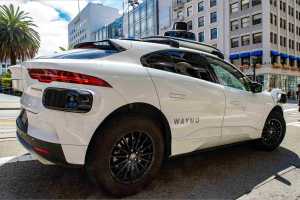
Currently, the leader in autonomous driving is Google's sister company Waymo, which operates 2,500 driverless robotaxis in several US cities.
At the tech trade fair in Las Vegas, another competitor also presented itself. The ride-hailing service Uber showed electric cars from Lucid, the Tesla challenger, which are slated to be used as robotaxis in the San Francisco area later this year. The cars, with a distinctive roof-mounted structure, are controlled by software from the developer company Nuro. There are already self-driving vehicles without a steering wheel or pedals from Amazon's subsidiary Zoox on the streets of Las Vegas.
New Nvidia chip in production
Huang also used CES to announce the start of production of Nvidia's next chip system named Vera Rubin. According to the company, it is ten times more efficient than the predecessor-generation Blackwell. Nvidia chips have in recent years become a key technology for applications with artificial intelligence. (Source: dpa)
Content automatically translated.




Taxi-Fahrzeuge (Pkw) , Taxi-Newsletter, Taxameter, Taxi-Fahrer , BZP – Deutscher Taxi- und Mietwagenverband , Straßenverkehrsordnung (StVO) , Krankenbeförderung , Weiterbildung , Taxi-Konzessionen , Verkehrspolitik , Mietwagenbranche , Taxi-Apps , Berufskraftfahrer-Qualifikations-Gesetz BKrFQG) , Taxizentralen , Personal, Gehälter, Arbeitsschutz , Wirtschaftsnachrichten , Werbung , Taxi-Folierung , Taxi-Umrüster , Straßenverkehr , Elektromobilität, Taxifuhrpark und -flottenmanagement , Taxi-Versicherungen , Hybrid, Diesel, Erdgas , Taxi-Magazin







