2 Ausgaben kostenlos für Sie

Fachmagazin taxi heute: Ihr Zugang zu exklusiven Inhalten rund um die Taxi- und Mietwagenbranche.
Aktueller Termin

Meist gelesen
Karl-Theodor zu Guttenberg at the taxi stand: A Berlin scene and what it says about the quality of taxi service
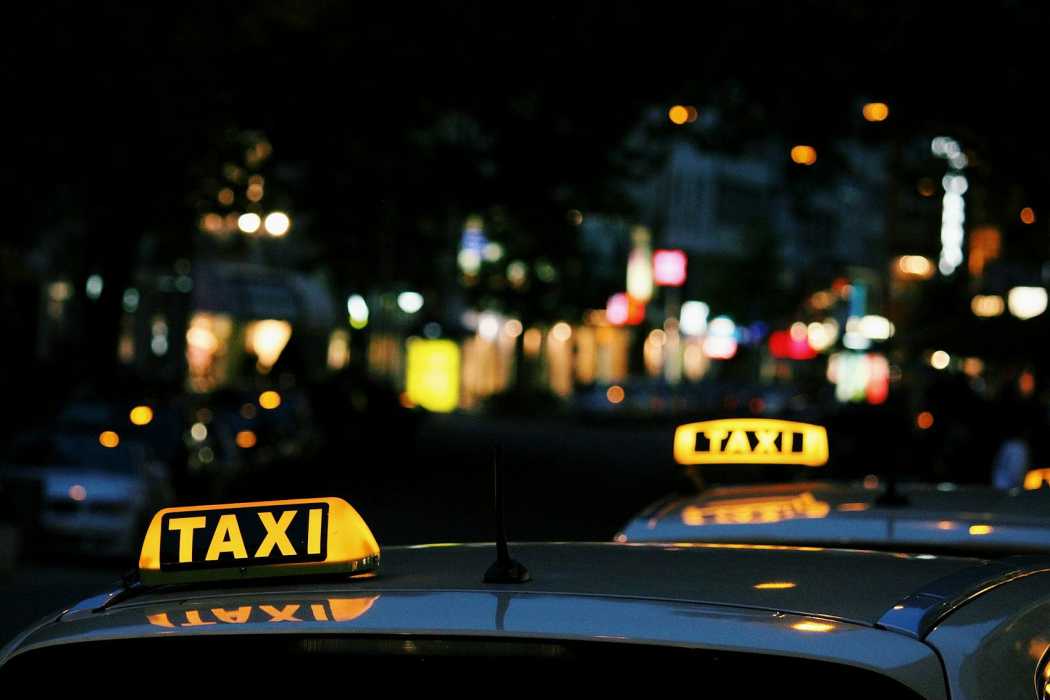
Yet as unpleasant as this experience was, it does not tell the whole story of the taxi. On the contrary. Precisely because the incident is unsettling, it becomes clear what role the taxi actually plays—and what is expected of it. The taxi is not an anonymous transport service. It is part of public order, a mobile piece of the city, in which codes of conduct, attention, and responsibility condense.
Taxi is more than just driving
Zu Guttenberg describes the taxi as a site of urban civilization. This is not a nostalgic look back at golden times of chauffeur service. It is not about whether someone holds a door open or carries a suitcase. It is about attitude. About the quiet understanding that service means more than the mere tallying up of kilometers. Those who drive a taxi do not buy only distance, but reliability—and a minimum amount of care.
That it can also be done differently is shown precisely by the second driver in the described scene. He helps the woman, takes the luggage, handles the obvious tasks without making a big deal. Not a hero, not a special case, but someone who takes their profession seriously. Such drivers shape the image of the trade far more strongly than any negative experience, even if they are less frequently spoken about publicly.
For the taxi industry this is more than a matter of courtesy. In times of platform services, fantasies of automation and growing cost pressures, the difference is often defined by the service. The taxi can play to its strength where technology alone does not suffice: in personal interaction, in knowledge of the city, in safe and responsible driving. Whoever talks on the phone in the vehicle, urges the passenger to navigate or sacrifices safety for comfort damages not only their own image, but that of an entire profession.
Businesses and guilds strive for service quality
At the same time, it would be too easy to focus only on individual misconduct. Working conditions, shift lengths, and economic pressure shape the daily life of many taxi drivers. Professionalism does not arise in a vacuum. It needs clear rules, training, and a shared understanding of what a taxi should be. Exactly what many businesses and guilds are working on – often away from public perception.
The scene at the taxi stand reminds us why this matters. The taxi is one of the last places where strangers meet each other directly, without an algorithm in between. Here you see how seriously a city takes the dignity of everyday life. That there continue to be "wonderful taxi drivers," as Zu Guttenberg writes, is not a footnote. It is the core of what the taxi is. Even in Berlin.
Content automatically translated.


Taxi-Fahrzeuge (Pkw) , Taxi-Newsletter, Taxameter, Taxi-Fahrer , BZP – Deutscher Taxi- und Mietwagenverband , Straßenverkehrsordnung (StVO) , Krankenbeförderung , Weiterbildung , Taxi-Konzessionen , Verkehrspolitik , Mietwagenbranche , Taxi-Apps , Berufskraftfahrer-Qualifikations-Gesetz BKrFQG) , Taxizentralen , Personal, Gehälter, Arbeitsschutz , Wirtschaftsnachrichten , Werbung , Taxi-Folierung , Taxi-Umrüster , Straßenverkehr , Elektromobilität, Taxifuhrpark und -flottenmanagement , Taxi-Versicherungen , Hybrid, Diesel, Erdgas , Taxi-Magazin