


VISION mobility kostenlos Probelesen

Die Zeitschrift VISION mobility richtet sich an mobilitätsbegeisterte Menschen bzw. Flottenmanager und begleitet den Technologiewandel in Sachen Automotive und Mobilität.
Aktueller Termin

Meist gelesen
Electricity in Service – How Electric Cars Fare as Taxis
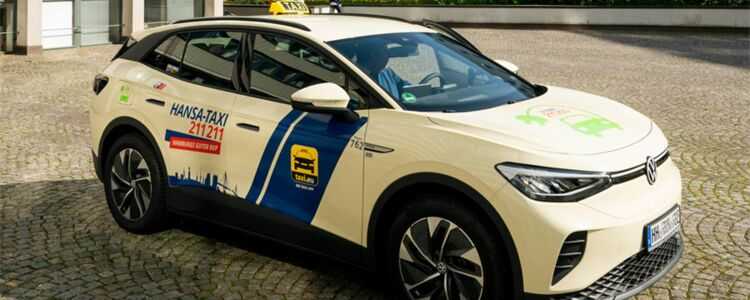
About 700 out of approximately 3,000 taxis in the Hanseatic city are now fully electric. The number is likely to increase further, as since January 2024, the city mandates that only taxis with electric drives may be newly registered. A clear political framework that works – and apparently is practical.
At Hansa Funktaxi eG, one of the major taxi dispatch centers in Hamburg, they are no longer in the testing phase. Jan Weber, board member of the cooperative operation, speaks of a positive interim assessment. The experiences with e-taxis have been predominantly good. According to him, customers respond favorably to the quieter driving experience and the sustainable drive system. This applies to spur-of-the-moment trips to the airport as well as to business travelers who pay attention to environmental criteria.
Even from an economic perspective, the switch seems to be worthwhile. Although the purchase costs are still high, the running expenses decrease. Oil changes are eliminated, inspections are shorter, brakes wear out more slowly — thanks to regenerative deceleration.
Empty Battery — Not an Issue in the City
And what about the often-cited fear of running out of battery power? In urban operations, according to Weber, range is not an issue. Taxis typically drive short distances with manageable breaks. Even frequent fast charging has not yet shown any significant effects on battery life.
There are still problems, however — and as is often the case, they are not in the city. In rural areas, the appropriate charging infrastructure is still lacking in many places. Those who cannot charge their vehicle overnight in their own garage encounter limitations.
The Hamburg model shows two things: Firstly, that electromobility can work in everyday commercial life. And secondly, that it requires a political framework that not only recommends but demands the transition. The technology is ready – now the structures must be too.
More information on site is offered by the Future Taxi Day on May 20, 2025, at VW in Hamburg-Langenhorn at Stockflethweg 30.
Content automatically translated.




Taxi-Fahrzeuge (Pkw) , Taxi-Newsletter, Taxameter, Taxi-Fahrer , BZP – Deutscher Taxi- und Mietwagenverband , Straßenverkehrsordnung (StVO) , Krankenbeförderung , Weiterbildung , Taxi-Konzessionen , Verkehrspolitik , Mietwagenbranche , Taxi-Apps , Berufskraftfahrer-Qualifikations-Gesetz BKrFQG) , Taxizentralen , Personal, Gehälter, Arbeitsschutz , Wirtschaftsnachrichten , Werbung , Taxi-Folierung , Taxi-Umrüster , Straßenverkehr , Elektromobilität, Taxifuhrpark und -flottenmanagement , Taxi-Versicherungen , Hybrid, Diesel, Erdgas , Taxi-Magazin







