


2 Ausgaben kostenlos für Sie

Fachmagazin taxi heute: Ihr Zugang zu exklusiven Inhalten rund um die Taxi- und Mietwagenbranche.
Aktueller Termin

Meist gelesen
Battle against predatory competition: Dortmund plans uniform fares for taxis and platforms
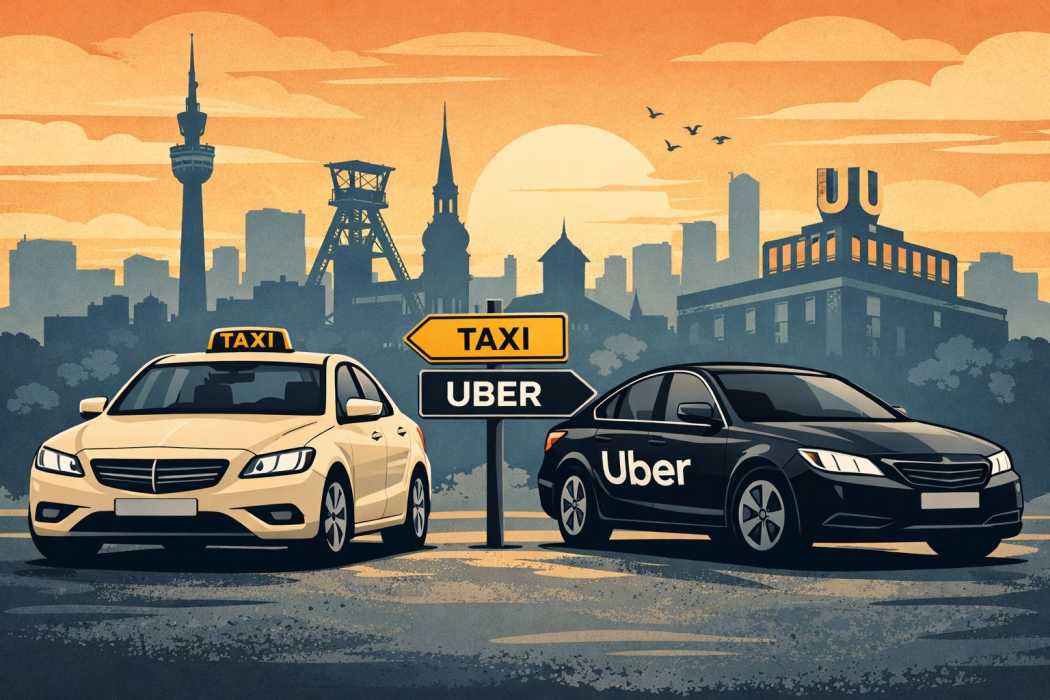
The idea behind it is simple: When different providers deliver the same service, the same prices should apply as well. For the city, this is an instrument against a competition that is increasingly out of balance. The Dortmund building department head Arnulf Rybicki grounds his argument in the statutory basis. The Passenger Transport Act allows municipalities to set minimum tariffs for rental cars – that is, vehicles that are brokered through platforms.
“We are doing this here in Dortmund to counteract unequal treatment and predatory competition,” says the CDU politician.
Study as the basis for minimum prices
A city study shows that the market structure has changed. In the past ten years the number of taxis has fallen by around a quarter. At the same time, the number of rental car companies has risen by 72 percent. Especially since 2023, when Uber stepped up placing vehicles in the city, the supply has shifted.
The new regulation aims to align the price structure with taxi tariffs. At the same time, the city plans a tariff increase: during the day prices would rise by about twelve percent, at night by five to six percent. For trips booked via platforms, this would mean noticeable surcharges.
Fight against social and wage dumping
Rybicki rejects the criticism that, as a result, some people would no longer be able to afford a ride. The adjustment is also a matter of fair pay in the trade. Social and wage dumping should no longer play a role in the future.
The market, however, will not be completely without a way out. The planned tariff equality applies only to so-called taxi-like services – i.e., trips that take place immediately after ordering. If a vehicle is booked further in advance, providers can still agree on individual prices.
Lawsuit by Uber & Co.
For passengers, that means: Those who spontaneously summon a vehicle or hail one on the street will in the future pay the fixed fare. Those who arrange their ride at least one hour in advance can still negotiate the price. A similar model has already been in effect in Essen since the beginning of the year. There, however, the decision has legal consequences. Several drivers as well as companies from the platform environment have filed lawsuits. Uber and Bolt are also involved.
According to court spokesperson Christoph Kuznik, urgent proceedings are currently underway. The plaintiffs' goal is to temporarily suspend the regulation. If a court rules in their favor, the minimum transport fare could initially be suspended – until higher instances decide on the fundamental legality. For Dortmund, that means: the political decision is imminent. Whether it will also hold up in the long term could ultimately be decided in court.
Content automatically translated.






Taxi-Fahrzeuge (Pkw) , Taxi-Newsletter, Taxameter, Taxi-Fahrer , BZP – Deutscher Taxi- und Mietwagenverband , Straßenverkehrsordnung (StVO) , Krankenbeförderung , Weiterbildung , Taxi-Konzessionen , Verkehrspolitik , Mietwagenbranche , Taxi-Apps , Berufskraftfahrer-Qualifikations-Gesetz BKrFQG) , Taxizentralen , Personal, Gehälter, Arbeitsschutz , Wirtschaftsnachrichten , Werbung , Taxi-Folierung , Taxi-Umrüster , Straßenverkehr , Elektromobilität, Taxifuhrpark und -flottenmanagement , Taxi-Versicherungen , Hybrid, Diesel, Erdgas , Taxi-Magazin







