2 Ausgaben kostenlos für Sie

Fachmagazin taxi heute: Ihr Zugang zu exklusiven Inhalten rund um die Taxi- und Mietwagenbranche.
Aktueller Termin

Meist gelesen
Tesla updates the accident statistics for the robotaxis after five new incidents.
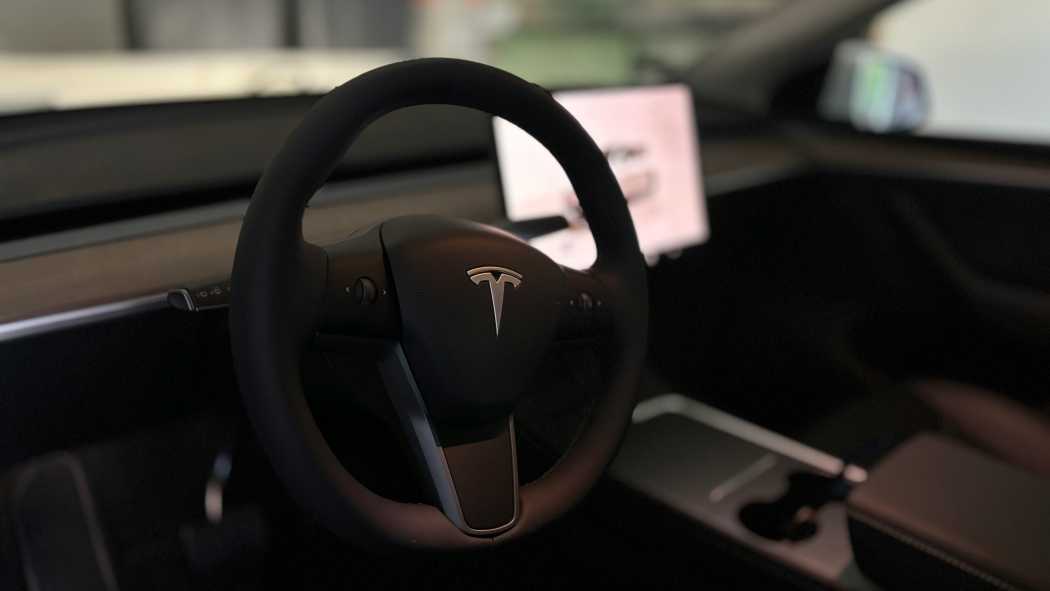
Tesla reports further accidents from autonomous driving operations in Austin.
According to the company, in January, five additional incidents were filed with the National Highway Traffic Safety Administration. The incidents date from December 2025 and January 2026. Thus the total number of accidents registered since the start of the robotaxi service in June 2025 has risen to fourteen. The affected Model Y vehicles were, according to the statement, each operating with the autonomous driving system activated.
Collisions predominantly at low speeds
The new reports pertain mostly to minor accidents. One vehicle collided at around 27 kilometers per hour with a stationary object. Further collisions occurred in crashes with a bus and a heavy truck at about 6 kilometers per hour. Two additional incidents were documented while reversing, including against posts or trees.
Correction of a previous accident
Additionally, a report from July 2025 was corrected in the records. The incident was originally classified as property damage only, but in December 2025 it was recorded as an accident with injury and subsequent hospitalization. According to the latest information, at least one person had to receive medical treatment.
Limited transparency regarding accident information
In the publicly accessible NHTSA documents there are only a few details about the sequence of events. The company, according to its own statements, redacts large portions of the description fields citing confidential business information. Other providers publish, in some cases, more detailed information about the sequence of accidents.
Accident rate compared with human drivers
Based on an estimated fleet mileage of around 800,000 miles, the calculated collision frequency is about one every 57,000 miles. Even when using a manufacturer-favorable comparison value from its own safety report of 229,000 miles per accident, the rate is higher than for human drivers. If one uses the national US data for police-recorded accidents, namely 529,000 miles per accident, the difference becomes even more pronounced.
Limitations in comparability
However, the informative value of the figures is limited. In autonomous mode, the manufacturer is required to report even minor collisions, which would typically not be recorded by the police. In addition, the robotaxi fleet operates exclusively in the urban environment of Austin, which has higher accident rates than the national average. This, therefore, makes a direct safety comparison methodologically limited. (Source: Golem)
Content automatically translated.


Taxi-Fahrzeuge (Pkw) , Taxi-Newsletter, Taxameter, Taxi-Fahrer , BZP – Deutscher Taxi- und Mietwagenverband , Straßenverkehrsordnung (StVO) , Krankenbeförderung , Weiterbildung , Taxi-Konzessionen , Verkehrspolitik , Mietwagenbranche , Taxi-Apps , Berufskraftfahrer-Qualifikations-Gesetz BKrFQG) , Taxizentralen , Personal, Gehälter, Arbeitsschutz , Wirtschaftsnachrichten , Werbung , Taxi-Folierung , Taxi-Umrüster , Straßenverkehr , Elektromobilität, Taxifuhrpark und -flottenmanagement , Taxi-Versicherungen , Hybrid, Diesel, Erdgas , Taxi-Magazin