VISION mobility kostenlos Probelesen

Die Zeitschrift VISION mobility richtet sich an mobilitätsbegeisterte Menschen bzw. Flottenmanager und begleitet den Technologiewandel in Sachen Automotive und Mobilität.
Aktueller Termin

Meist gelesen
Taxi merger in the Rhine-Main region: Stronger together, strategically dependent?
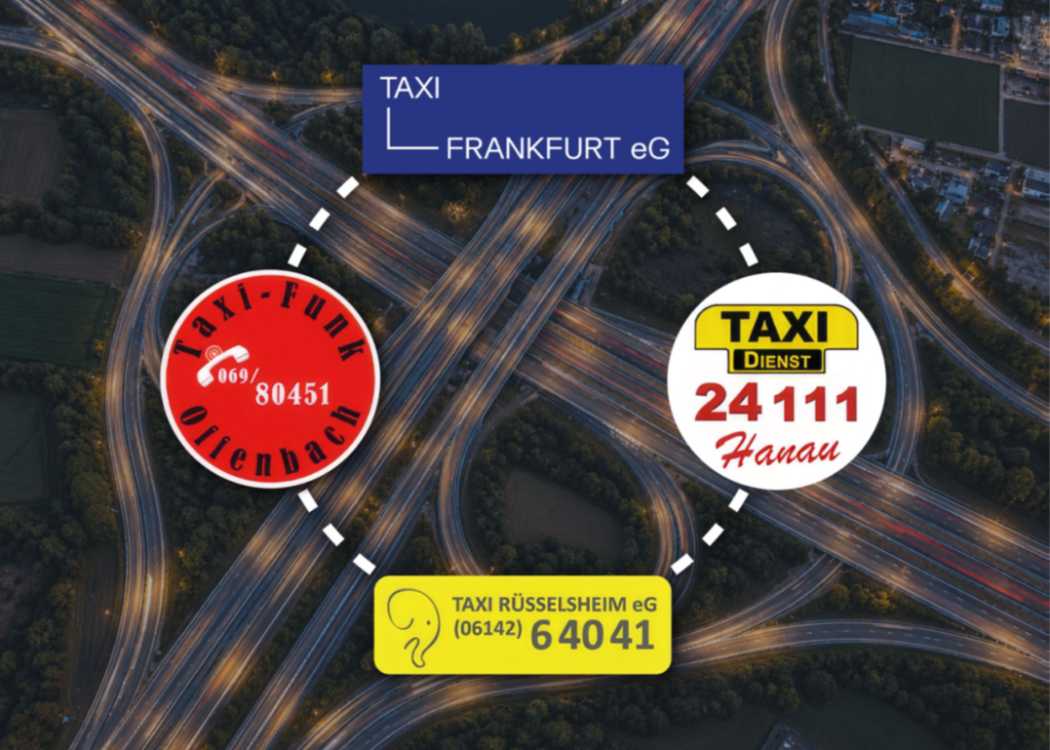
The Frankfurt headquarters now belongs to the SafeDriver environment, Uber's general contractor. But can a company simultaneously represent the interests of the taxi trade and work for its platform rivals? What sounds like a reasonable answer to rising costs and digital competition is at the same time a restructuring with political explosive power. Since October 2, the taxi services Hanau Stadt und Land, Taxi-Dispatch Offenbach and Taxi Rüsselsheim have merged with Taxi Frankfurt eG. The Frankfurt cooperative continues the business of the three former central offices as the universal legal successor. Economically, the consolidation takes effect retroactively to December 31, 2025.
Four taxi centers, one cooperative
The message from those responsible: Together, the taxi trade in the Rhine-Main region should become more efficient. Dispatch, technology and organization should merge, while local structures remain intact. For passengers, the familiar phone numbers or ordering paths do not change at first. The jobs at the three previous central offices are also to be preserved.
“Taxi driving does not end at the city border. With the merger, we are bundling four strong taxi dispatch centers into one cooperative and jointly shaping the future for our partner networks and passengers in Frankfurt, Hanau, Offenbach and Rüsselsheim. In doing so, we want to engage in close dialogue with the people on site,” says Marten Clüver, spokesperson for Taxi Frankfurt eG.
“We must in the future respond even more to the needs of passengers and taxi companies in order to be sustainably successful as a taxi dispatch center. A shared dispatch and modern technical solutions for the entire region form the basis for that,” adds Roman Marx, Chief Technology Officer of the cooperative.
That sounds like an understandable strategy. Larger dispatch areas can reduce empty trips, distribute assignments more effectively, and improve the utilization of the connected vehicles. Especially in light of rising operating costs and growing competition from digital platforms, this is an important goal for many taxi companies. But the merger is not only an organizational reordering. It also continues a development that in March and June 2026 caused considerable unrest in the taxi industry: the sale of the Frankfurt headquarters to the SafeDriver Group.
A taxi dispatch center in Uber's sphere of influence
In March, the general meeting of Taxi Frankfurt eG voted by a majority for the offer from the Berlin-based company. At the end of June, the strategic partnership was publicly announced. SafeDriver operates in Germany as the general contractor for Uber's rental-car brokerage and simultaneously runs its own taxi companies. The Frankfurt headquarters with around 1,400 affiliated vehicles thus moved into the sphere of influence of a company closely connected to one of the main competitors of the traditional taxi trade.
The distinction is important: Not Uber itself has directly purchased the taxi dispatch center. The owner or acquirer is SafeDriver. Uber, however, benefits from the close business relationship with the company. According to the agreement published in June, Frankfurt taxis are to be gradually dispatched also via the Uber app. SafeDriver and Taxi Frankfurt expect from this additional demand, new customer segments, and higher revenues for the affiliated operations. In this construction, Thomas Mohnke stands at the center. He is the managing director of the SafeDriver Group and at the same time the chairman of the supervisory board of Taxi Frankfurt eG. In the partnership announcement, he stated:
"With the takeover of the operational business of Taxi Frankfurt eG, we are starting a new chapter in the taxi and rental-car industry in Germany."
Mohnke is thus not merely an external advisor who supports a taxi dispatch center in digitization. He represents, on the one hand, a company that represents Uber in the rental-car brokerage in Germany, and on the other hand takes on a central supervisory role at an organization that consolidates the interests of taxi companies.
Who will represent the interests of taxi operators in the future?
Here lies the critical point. A taxi dispatch center is more than a technical intermediary. It pools orders, organizes access to customers and can speak with a single voice to authorities, health insurance funds, business customers and political decision-makers. Its task is to support the taxi companies connected to it. SafeDriver also pursues its own economic interests in the rental car market and works with a platform that competes with conventional taxis for passengers. This creates a structural conflict of interest that cannot be resolved simply by pointing to better dispatch technology.
Das bedeutet nicht, dass die Zusammenarbeit zwangsläufig zulasten der Taxiunternehmer gehen muss. Über die Uber-App vermittelte Fahrten können zusätzliche Einnahmen bringen, insbesondere wenn sie Fahrzeuge erreichen, die sonst ohne Auftrag unterwegs wären. Eine moderne Disposition kann die Auslastung verbessern und den Betrieben helfen, Kunden zurückzugewinnen. Doch entscheidend sind die Bedingungen. Welche Aufträge werden über welchen Kanal vermittelt? Wie werden Vermittlungsgebühren gestaltet? Wer bestimmt, welche Fahrzeuge Zugang zu lukrativen Kundengruppen erhalten? Und wie wird sichergestellt, dass die Interessen der angeschlossenen Taxiunternehmen bei strategischen Entscheidungen tatsächlich Vorrang haben? Die neue Struktur muss auf diese Fragen überzeugende Antworten geben. Denn eine Vermittlungszentrale, deren Eigentümer zugleich ein bedeutender Akteur im Mietwagenmarkt ist, kann nicht einfach so tun, als seien beide Geschäftsinteressen immer deckungsgleich.
Greater size, but also greater dependence?
Thomas Mohnke formuliert den Anspruch der neuen Organisation wirtschaftlich:
„With the merger, we are laying the groundwork to significantly improve the offering for taxi customers in the Rhine-Main region. At the same time, we want to generate more assignments for the drivers, who are on the road every day and around the clock, as quickly as possible. Those who work hard need good utilization and the prospect of a stable income.“
Das ist ein Versprechen, an dem sich die Verantwortlichen messen lassen müssen. Mehr Aufträge allein reichen nicht, wenn die Vermittlungskosten steigen oder die zusätzlichen Fahrten zu wirtschaftlich ungünstigen Konditionen zustande kommen. Für Taxiunternehmer zählt am Ende nicht die Zahl der App-Bestellungen, sondern der Ertrag, der nach Abzug aller Kosten bleibt. Auch die regionale Konzentration verdient Aufmerksamkeit. Wenn vier Zentralen organisatorisch zusammengeführt werden, entstehen Vorteile durch gemeinsame Technik und größere Reichweite.
Ein Modell mit Signalwirkung?
Der Zusammenschluss im Rhein-Main-Gebiet könnte zum Modell für weitere Taxizentralen werden. SafeDriver hat bereits angekündigt, die Taxi First Mobility als Dienstleister für andere Zentralen auszubauen. Die Idee dahinter ist nachvollziehbar: Viele kleinere Vermittlungsorganisationen kämpfen mit hohen Technik- und Verwaltungskosten und müssen ihre digitalen Angebote modernisieren. Doch die Branche sollte nicht nur fragen, wie sie ihre Vermittlung effizienter organisiert. Sie muss ebenso klären, wer die Kontrolle über Kundenzugänge, Daten und Auftragsverteilung erhält. Wer eine zentrale Stellung in der Vermittlung besitzt, beeinflusst die wirtschaftlichen Möglichkeiten der angeschlossenen Betriebe.
Die Fusion von Frankfurt, Hanau, Offenbach und Rüsselsheim bündelt Kräfte, schafft Chancen und verspricht eine bessere Auslastung. Zugleich wächst die Abhängigkeit von einem Unternehmensverbund, der auch im Geschäft des wichtigsten Plattformkonkurrenten aktiv ist. Entscheidend wird sein, ob die neue Organisation ihre Versprechen einlöst – und nachweisen kann, dass sie die Interessen der Taxiunternehmen konsequent vertritt.
Content automatically translated.


Taxi-Fahrzeuge (Pkw) , Taxi-Newsletter, Taxameter, Taxi-Fahrer , BZP – Deutscher Taxi- und Mietwagenverband , Straßenverkehrsordnung (StVO) , Krankenbeförderung , Weiterbildung , Taxi-Konzessionen , Verkehrspolitik , Mietwagenbranche , Taxi-Apps , Berufskraftfahrer-Qualifikations-Gesetz BKrFQG) , Taxizentralen , Personal, Gehälter, Arbeitsschutz , Wirtschaftsnachrichten , Werbung , Taxi-Folierung , Taxi-Umrüster , Straßenverkehr , Elektromobilität, Taxifuhrpark und -flottenmanagement , Taxi-Versicherungen , Hybrid, Diesel, Erdgas , Taxi-Magazin