


Ihr kostenloser Branchen-Newsletter

Lassen Sie sich von unseren Fachjournalisten einmal wöchentlich über die wichtigsten aktuellen Entwicklungen der Taxi-Branche informieren, bequem direkt in Ihre Mailbox.
Aktueller Termin

Meist gelesen
Taxi Offensive in Dubai: Between BYD Electric Cars and Self-Driving Robotaxis
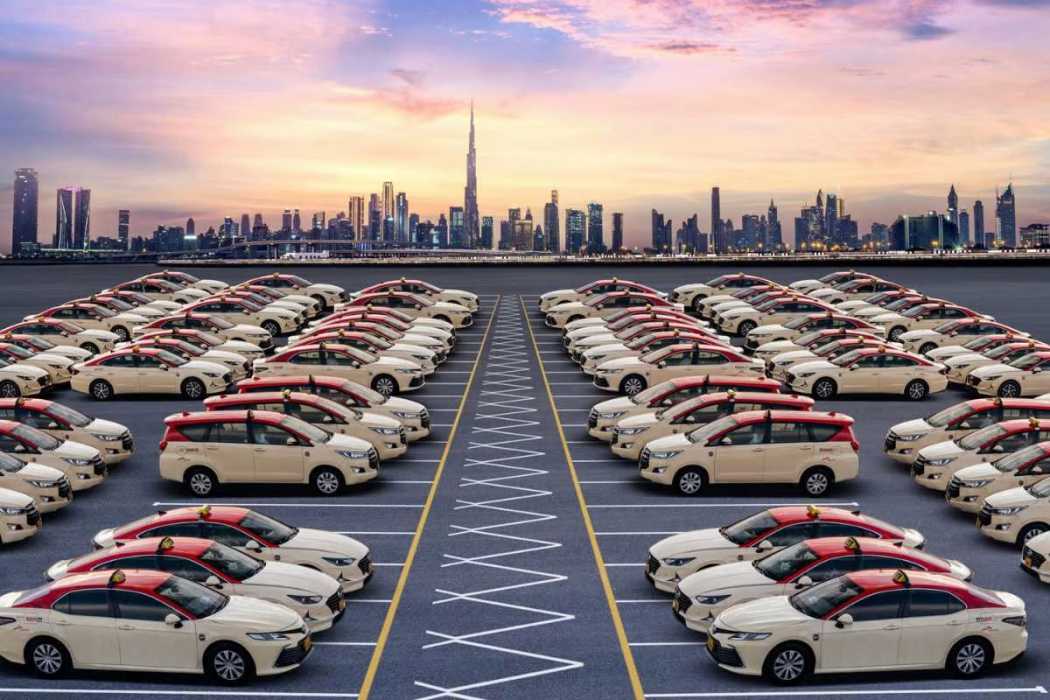
The Dubai Taxi Company (DTC), the largest provider in the emirate with around 6,000 taxis, recently ordered 200 fully electric sedans of the BYD Seal type. This move is part of a long-term strategy: By 2027, only electrified taxis - that is, electric only, hybrids, or hydrogen vehicles - should be operating in Dubai. DTC CEO Mansoor Rahma Alfalasi is going even further: by 2040 at the latest, his company wants to operate exclusively fully electric vehicles.
For the current push towards an electric fleet, DTC is working with Al-Futtaim Electric Mobility, the distributor of BYD in the United Arab Emirates. The BYD Seal model, equipped with the company's proprietary Blade Battery, offers a range of up to 600 kilometers according to the manufacturer. This makes it possible to easily handle longer trips from the city center to the airport or along the main tourist routes.


The investment is not only understood as an ecological measure, as shown by the choice of words by the DTC boss: “Innovation, operational efficiency, and environmental compatibility” are the guidelines. Additionally, the renovation enhances the service experience for passengers – quieter, cleaner, more pleasant.
On the Way to the Driverless Taxi
In parallel with the expansion of the e-fleet, Dubai’s transportation authority RTA, together with the Chinese technology company Baidu, is advancing autonomous driving. Under the name Apollo Go, a fleet of 50 self-driving taxis is expected to start operating soon – fully autonomous, at Level 4, as it is termed in the professional jargon.
The RT6 model is used in this endeavor – a specially developed vehicle with 40 sensors, already in use in Chinese cities. The test phase begins this year, and the service is expected to be available to the public in 2026. In the following three years, up to 1,000 autonomous taxis could be cruising through the streets of Dubai.


For the city that likes to see itself as a pioneer of new mobility solutions, this is more than a technical experiment. The vision is called "Smart Self-Driving Transport Strategy" – and by 2030, 25 percent of all trips in the emirate are to be autonomous, including with air taxis or autonomous water taxis.
Technology Meets Ambition
Behind the project is a clear desire for global positioning. Dubai not only wants to keep up technically but also aims to take the lead in development.
"The agreement with Baidu is a strategic step to utilize cutting-edge technologies and strengthen Dubai's role as a pioneer in the mobility of the future," said Mattar Al Tayer, CEO of the RTA.
Baidu also recognizes the significance of the project. "Our partnership with the RTA is the most significant step in our international expansion," emphasized Liang Zhang, General Manager for the overseas business. The over ten million autonomous trips already completed in China are now also set to serve as a model in Dubai.
What Does This Mean for the Taxi Industry in Europe?
Of course, the conditions in Germany are vastly different from those in Dubai – not just in terms of climate, infrastructure, or regulations. Taxi operators in Germany face stiff competition from platforms like Uber or Bolt. And while there is debate here about fare loyalty, return obligations, and mediation rules, new standards are emerging elsewhere – electric, autonomous, data-driven. Moreover, in Dubai, there are no "obstacles" such as social laws or even democracy.
Nevertheless, the direction is clear: Anyone who wants to put tomorrow's taxi on the road cannot avoid two topics – electrification and automation. Dubai demonstrates how these two trends can interplay – technologically ambitious, politically supported, and economically driven. The question does not seem to be whether the business model "taxi" will change, but when – and who will be at the wheel when it does.
Content automatically translated.


Taxi-Fahrzeuge (Pkw) , Taxi-Newsletter, Taxameter, Taxi-Fahrer , BZP – Deutscher Taxi- und Mietwagenverband , Straßenverkehrsordnung (StVO) , Krankenbeförderung , Weiterbildung , Taxi-Konzessionen , Verkehrspolitik , Mietwagenbranche , Taxi-Apps , Berufskraftfahrer-Qualifikations-Gesetz BKrFQG) , Taxizentralen , Personal, Gehälter, Arbeitsschutz , Wirtschaftsnachrichten , Werbung , Taxi-Folierung , Taxi-Umrüster , Straßenverkehr , Elektromobilität, Taxifuhrpark und -flottenmanagement , Taxi-Versicherungen , Hybrid, Diesel, Erdgas , Taxi-Magazin







