VISION mobility kostenlos Probelesen

Die Zeitschrift VISION mobility richtet sich an mobilitätsbegeisterte Menschen bzw. Flottenmanager und begleitet den Technologiewandel in Sachen Automotive und Mobilität.
Aktueller Termin

Meist gelesen
Tesla and the Robotaxi: An Ambitious Plan with Many Question Marks
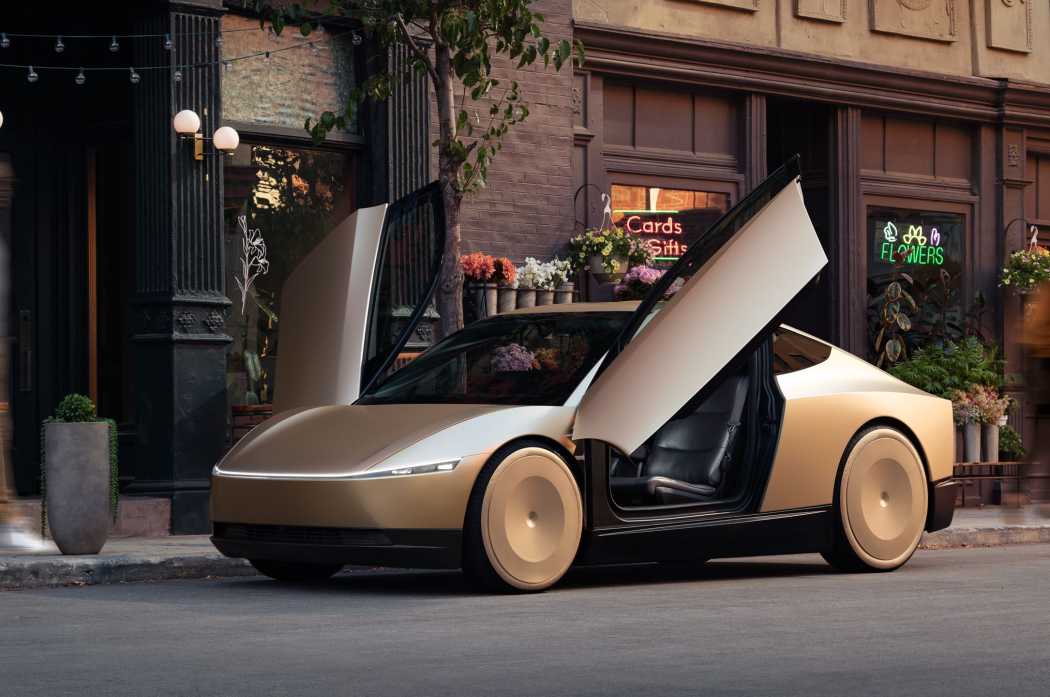
The vision: Private customers should be able to send their vehicles onto the road as robotaxis when they do not need them themselves. Now it is becoming more concrete – at least a little. In California, Tesla now wants to soon start operating a ride service.
The application indicates that the vehicles will at least initially still be manned by drivers. This sounds like a transitional solution that is necessary because Tesla's self-driving technology has so far not been able to operate without human intervention. The responsible California authority CPUC confirmed that the application is on file but did not want to disclose any further details.





Competition is Already Driving
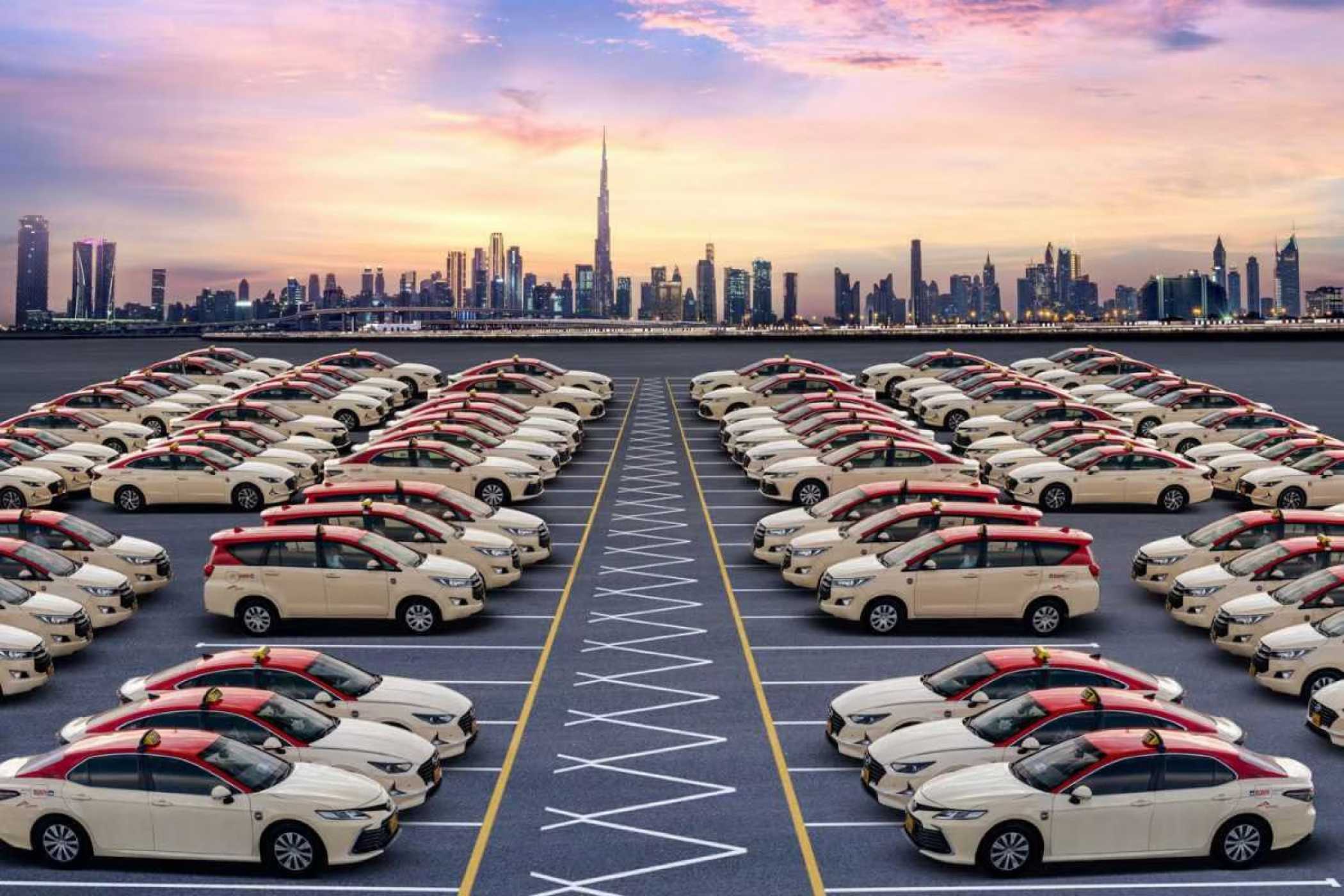
While Tesla is still waiting for approval in California, Waymo's robotaxis are already operating in several US cities. The Google sister company records over 200,000 rides per week in San Francisco, Phoenix, and Los Angeles – all without a driver behind the wheel. Waymo relies on a combination of cameras, sensors, and laser radar (Lidar) to navigate safely through traffic.
Musk follows a different approach: He believes that a pure camera solution without Lidar is sufficient to enable autonomous driving. However, there are doubts in the industry whether this technology functions reliably enough in complex traffic situations. Tesla has repeatedly come under criticism because its "Full Self-Driving" system (FSD) makes unclean decisions in certain situations.
A Car without a Steering Wheel
Despite open questions, Tesla is pushing ahead with its plans. Last October, Musk introduced the "Cybercab" – a vehicle without a steering wheel and pedals, which is to be built from 2026. Until then, it remains unclear how quickly Tesla will obtain approvals for an autonomous driving service.
Musk has repeatedly announced that Tesla will launch a ride service platform – most recently for Texas and possibly also California. So far, however, it has remained just announcements. If Tesla were to actually set up a robotaxi service, it would be a major step for the company. Whether the plan can be implemented technically and regulatorily is far from certain.
Content automatically translated.


Taxi-Fahrzeuge (Pkw) , Taxi-Newsletter, Taxameter, Taxi-Fahrer , BZP – Deutscher Taxi- und Mietwagenverband , Straßenverkehrsordnung (StVO) , Krankenbeförderung , Weiterbildung , Taxi-Konzessionen , Verkehrspolitik , Mietwagenbranche , Taxi-Apps , Berufskraftfahrer-Qualifikations-Gesetz BKrFQG) , Taxizentralen , Personal, Gehälter, Arbeitsschutz , Wirtschaftsnachrichten , Werbung , Taxi-Folierung , Taxi-Umrüster , Straßenverkehr , Elektromobilität, Taxifuhrpark und -flottenmanagement , Taxi-Versicherungen , Hybrid, Diesel, Erdgas , Taxi-Magazin