


2 Ausgaben kostenlos für Sie

Fachmagazin taxi heute: Ihr Zugang zu exklusiven Inhalten rund um die Taxi- und Mietwagenbranche.
Aktueller Termin

Meist gelesen
Uniti calls for the abolition of the 12 o'clock rule for gas stations.
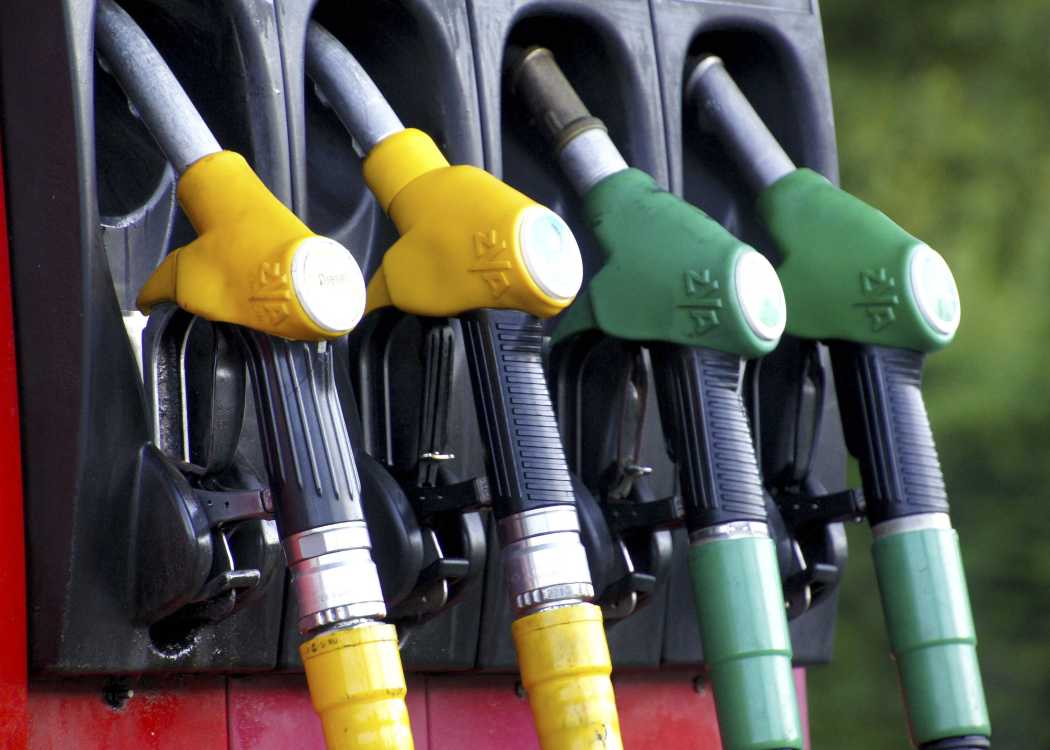
At twelve o'clock it becomes crowded at many gas stations. Drivers try to refuel quickly before prices change. Those who afterwards want to drink a coffee, do some shopping or have their car washed are often in a hurry. The rush at the pumps means customers leave the station as quickly as possible. According to the industry association Uniti, this is increasingly affecting the ancillary business. The association therefore calls for abolishing the Fuel Price Adjustment Act and thus the so-called 12 o'clock rule. In a written statement to the Federal Ministry for Economic Affairs, Uniti criticizes that the rule neither demonstrably leads to lower fuel prices nor strengthens competition. At the same time, it burdens the economic situation of the gas stations.
Less shop business
According to the association, reports of declines in the shop and car wash business are increasing among its members. Uniti represents companies with around 10,560 gas stations. This corresponds to about 75 percent of the market. With around 3,700 stations, the members also represent almost 70 percent of the independent gas stations. For operators, the ancillary business is an important part of the calculation. Snacks, coffee, other purchases and the car wash secure revenues beyond fuel sales.
“The convenience and shop business, as well as the car wash, are particularly important economic mainstays for gas stations, into which a lot is invested. If demand falls here, locations can come under pressure,” says Uniti CEO Elmar Kühn.
Fewer price changes do not automatically mean cheaper fuel
The actual purpose of the statutory regulation is also being questioned by Uniti. The Fuel Price Adjustment Act limits the frequency with which gas stations may change their prices. However, fewer price changes do not automatically mean more competition or lower prices. Scientific studies have shown instead that frequent price adjustments could also be an expression of intense competition. The legislator has not, according to Uniti, attributed a price-lowering effect in its justification. There is also no evidence for this in practice. From the association's point of view, the regulation thus misses its aim while it imposes additional economic disadvantages on the gas stations.
Uniti also criticizes the timing of the mandated price change. Noon is unfavorable for workers and commuters. The daily low price is often in the morning — and thus at a time when a large portion of employees are at work. Especially those who rely on the car for work and suffer from high fuel prices could hardly benefit from it.
Technical implementation remains unclear
The association is also dissatisfied with the practical design of the law. The proposed regulatory ordinance, which is intended to clarify technical and organizational questions, is still pending according to them. A second-precise price adjustment at twelve o'clock is hardly feasible for gas station operators in day-to-day operations. If the regulation nevertheless remains in place, Uniti at least demands a more flexible implementation. The still outstanding regulation should provide a time window from 11.59 to 12.30, within which operators can carry out the mandated price change. The association, however, leaves no doubt about its fundamental demand. Elmar Kühn says:
„The 12 o'clock rule must go. It harms gas stations economically and stifles investments. In addition, it has no measurable price-reducing effect and, above all, does nothing for commuters who are particularly burdened by high fuel prices.”
And the taxi industry?
For the taxi industry, the debate about the 12 o'clock rule shows how far the interests of the oil industry and the requirements of commercial users can diverge. Uniti criticizes that the legally mandated price change at twelve o'clock burdens gas stations economically and does not bring commuters a demonstrable price advantage.
For taxi operators, however, it is not only crucial when the fuel is cheapest, but also how reliably and economically they can deploy their vehicles in shift operations. This is also why companies continue to rely on diesel and petrol taxis: those who hardly have any downtime between medical transports, airport assignments and spontaneous orders cannot simply take a charging break. That makes the criticism of the 12 o'clock rule not unfounded, but it diverts from a more fundamental question: How is the oil industry adapting to mobility that increasingly needs to move away from fossil fuels?
Rather than primarily defending existing sales models, it should help shape the transition to electromobility. This includes investments in a capable charging infrastructure and offerings that also take into account the tightly scheduled daily operations of taxis. Because as long as range, charging times and availability do not align, the internal combustion engine remains the more practical solution for many taxi companies. Therefore, the industry not only needs fair fuel prices, but also framework conditions that truly enable the switch.
Content automatically translated.


Taxi-Fahrzeuge (Pkw) , Taxi-Newsletter, Taxameter, Taxi-Fahrer , BZP – Deutscher Taxi- und Mietwagenverband , Straßenverkehrsordnung (StVO) , Krankenbeförderung , Weiterbildung , Taxi-Konzessionen , Verkehrspolitik , Mietwagenbranche , Taxi-Apps , Berufskraftfahrer-Qualifikations-Gesetz BKrFQG) , Taxizentralen , Personal, Gehälter, Arbeitsschutz , Wirtschaftsnachrichten , Werbung , Taxi-Folierung , Taxi-Umrüster , Straßenverkehr , Elektromobilität, Taxifuhrpark und -flottenmanagement , Taxi-Versicherungen , Hybrid, Diesel, Erdgas , Taxi-Magazin







