2 Ausgaben kostenlos für Sie

Fachmagazin taxi heute: Ihr Zugang zu exklusiven Inhalten rund um die Taxi- und Mietwagenbranche.
Aktueller Termin
Meist gelesen
Uber is pulling out of Nigeria and Uganda.
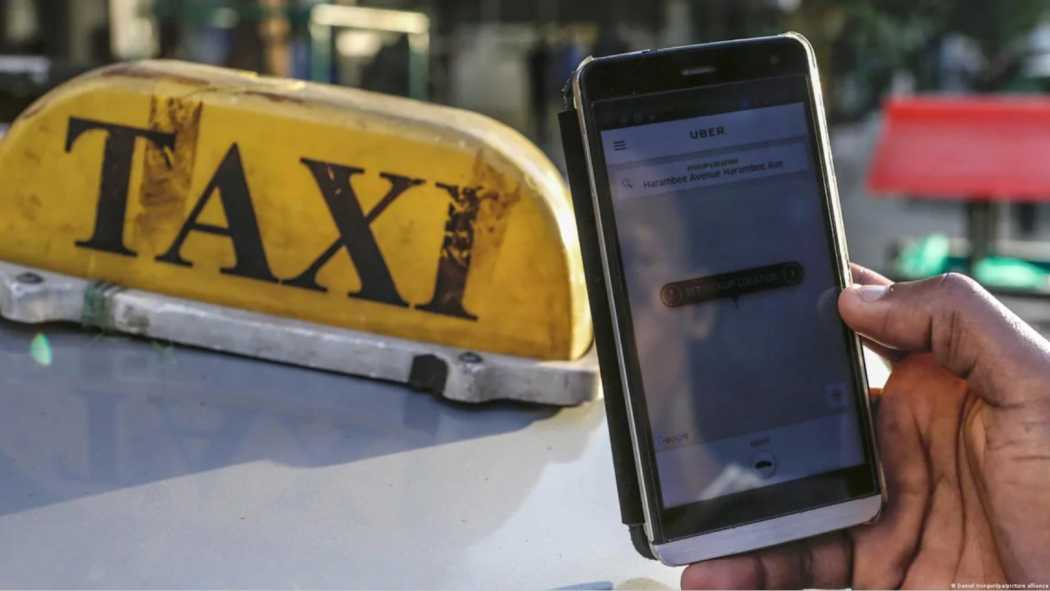
Uber is suspending its operations in Nigeria and Uganda with immediate effect. With this, the ride-hailing platform withdraws from two more African markets. In Nigeria, Uber had expanded its presence for more than ten years. According to the company, the decision affects only the two markets. In Africa, the provider remains active in Egypt, Ghana, Kenya and South Africa.
Already last year, Uber had ended its operations in Ivory Coast and Tanzania. At the same time, the company reduced its global workforce by ten percent. Uber did not provide a detailed explanation for the current withdrawal from Nigeria and Uganda.
Intense competitive pressure in the platform business
In both countries, the ride-hailing intermediary faces competitors such as Bolt, inDrive and SafeBoda. At the same time, the economic conditions for platforms and the drivers affiliated with them have tightened. The burdens include rising fuel costs, inflation and currency fluctuations. Drivers also criticize the level of platform commissions. According to the original text, Uber keeps about 20 to 25 percent of the respective fare.
Using the example of an airport ride in the Nigerian capital Abuja, the cost burden becomes evident. With a fare of 30,000 naira, roughly 20 euros, 6,000 naira would go to the platform's commission. In addition, drivers face, among other things, airport access and parking fees.


Costs burden drivers
Drivers in Nigeria have in recent years repeatedly protested and gone on strike due to rising operating costs, low fares and their working conditions. Rising fuel prices have further increased the burden according to the information in the source text. With Uber's withdrawal, affected drivers must switch to other intermediary platforms or adapt their business model in other ways. Already beforehand, drivers partly used multiple apps in parallel to secure their workload and earnings.
Demand is also under pressure. Double-digit inflation rates in parts of Africa erode purchasing power. At the same time, fuel, vehicle maintenance and insurance increase costs for drivers. Rising ride prices can thereby become a greater financial burden for some customers.
A weak naira intensifies economic pressure
In Nigeria in particular, developments in the country’s currency also affect the business model.
Driver revenues are denominated in naira, while parts of the platform's cost base are pegged to the US dollar.
The devaluation of the national currency thus intensifies the economic pressure.
Nigeria, in principle, has a large market for digitally mediated ride-hailing services. Its annual volume is estimated at around USD 450 million in the source text.
For the platforms this creates a conflict of objectives: on the one hand, ride prices must remain affordable for price-conscious customers; on the other hand, drivers need sufficient earnings to cover rising operating costs. The cost pressure leads to drivers using multiple platforms simultaneously, arranging rides outside the apps, or leaving the business.
Competitors rely on different pricing models
A competitor with a different approach is inDrive. The platform relies on negotiated fares. Drivers and passengers can thus agree on the price of a ride, instead of relying exclusively on standardized tariffs.
The withdrawal of Uber thus changes the competition in two densely populated African markets with growing mobility needs. For passengers in cities such as Lagos and Kampala, another intermediary option is also gone.
It remains to be seen how Uber will develop its business in the remaining African markets and whether pricing will change. It is also not yet clear how competing platforms will respond to the withdrawal from Nigeria and Uganda. (Source: Deutsche Welle/Yahoo News)
Content automatically translated.





Taxi-Fahrzeuge (Pkw) , Taxi-Newsletter, Taxameter, Taxi-Fahrer , BZP – Deutscher Taxi- und Mietwagenverband , Straßenverkehrsordnung (StVO) , Krankenbeförderung , Weiterbildung , Taxi-Konzessionen , Verkehrspolitik , Mietwagenbranche , Taxi-Apps , Berufskraftfahrer-Qualifikations-Gesetz BKrFQG) , Taxizentralen , Personal, Gehälter, Arbeitsschutz , Wirtschaftsnachrichten , Werbung , Taxi-Folierung , Taxi-Umrüster , Straßenverkehr , Elektromobilität, Taxifuhrpark und -flottenmanagement , Taxi-Versicherungen , Hybrid, Diesel, Erdgas , Taxi-Magazin