


VISION mobility kostenlos Probelesen

Die Zeitschrift VISION mobility richtet sich an mobilitätsbegeisterte Menschen bzw. Flottenmanager und begleitet den Technologiewandel in Sachen Automotive und Mobilität.
Aktueller Termin

Meist gelesen
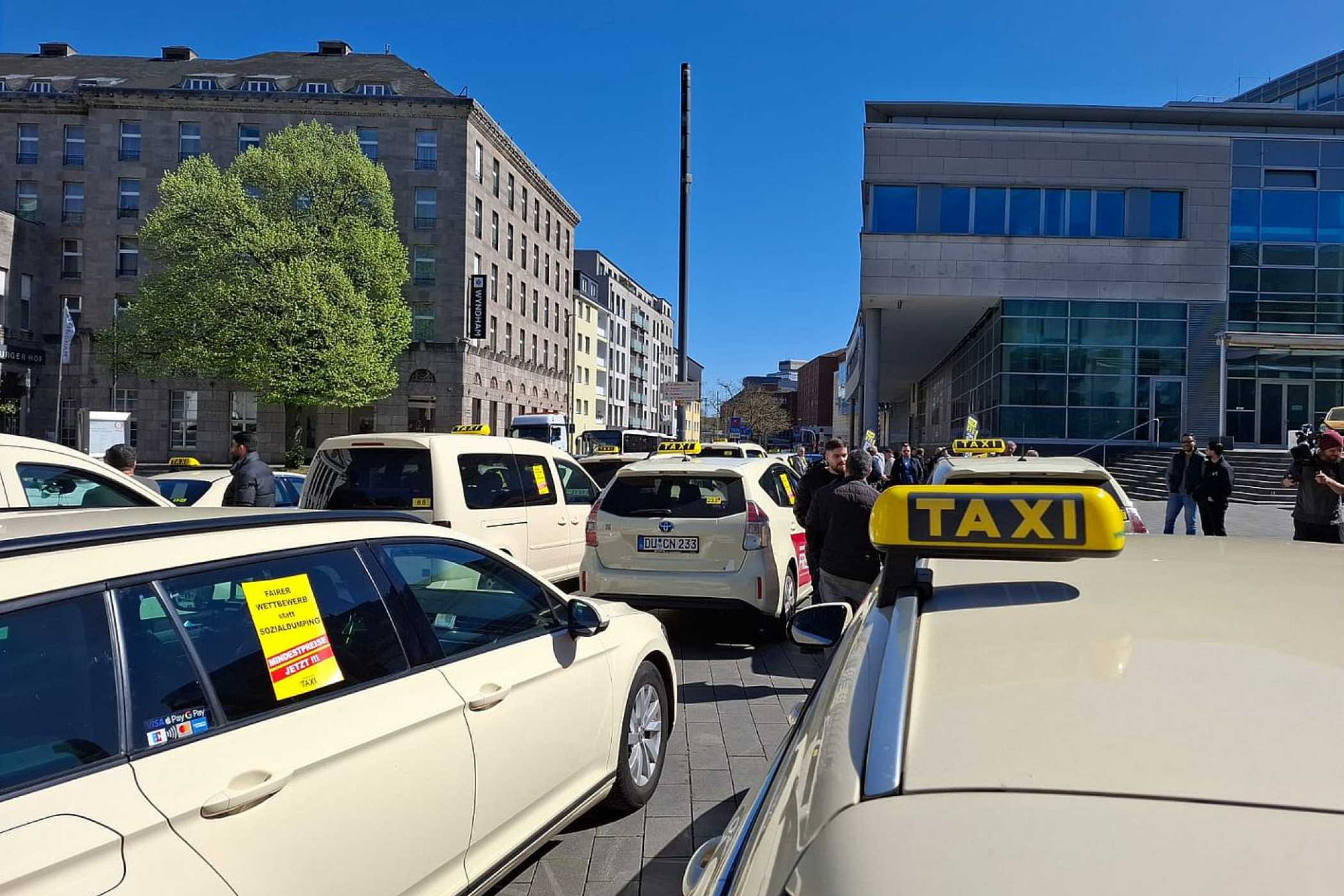
The protest continues– Duisburg taxi demonstration in front of the Mercatorhalle
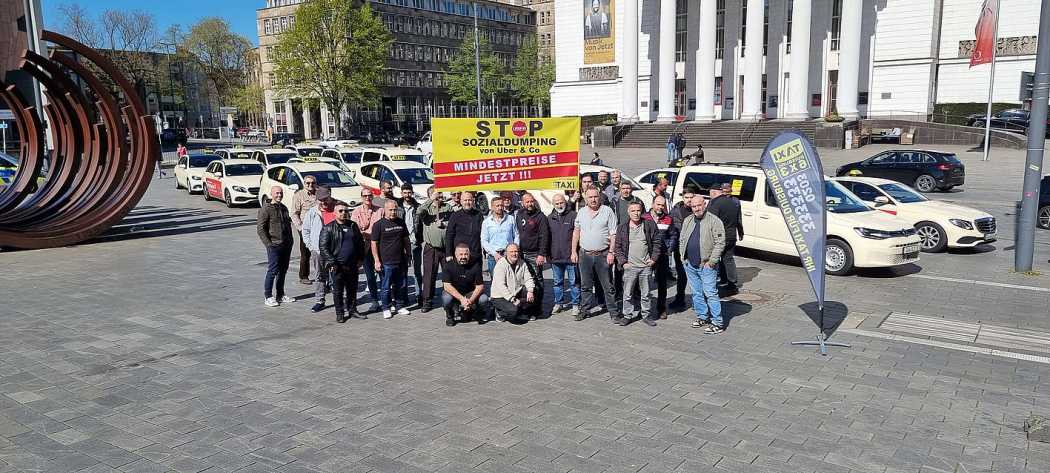
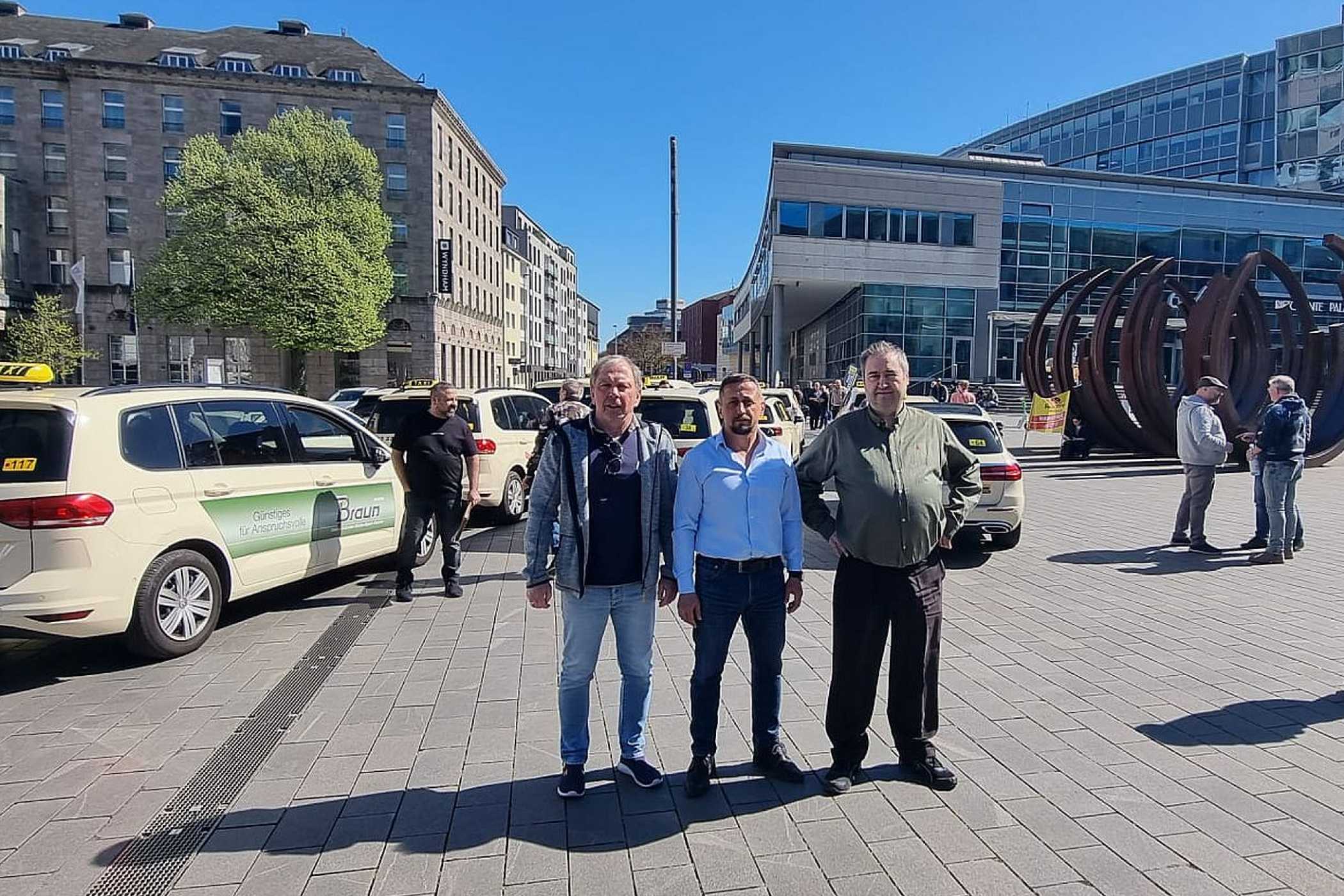
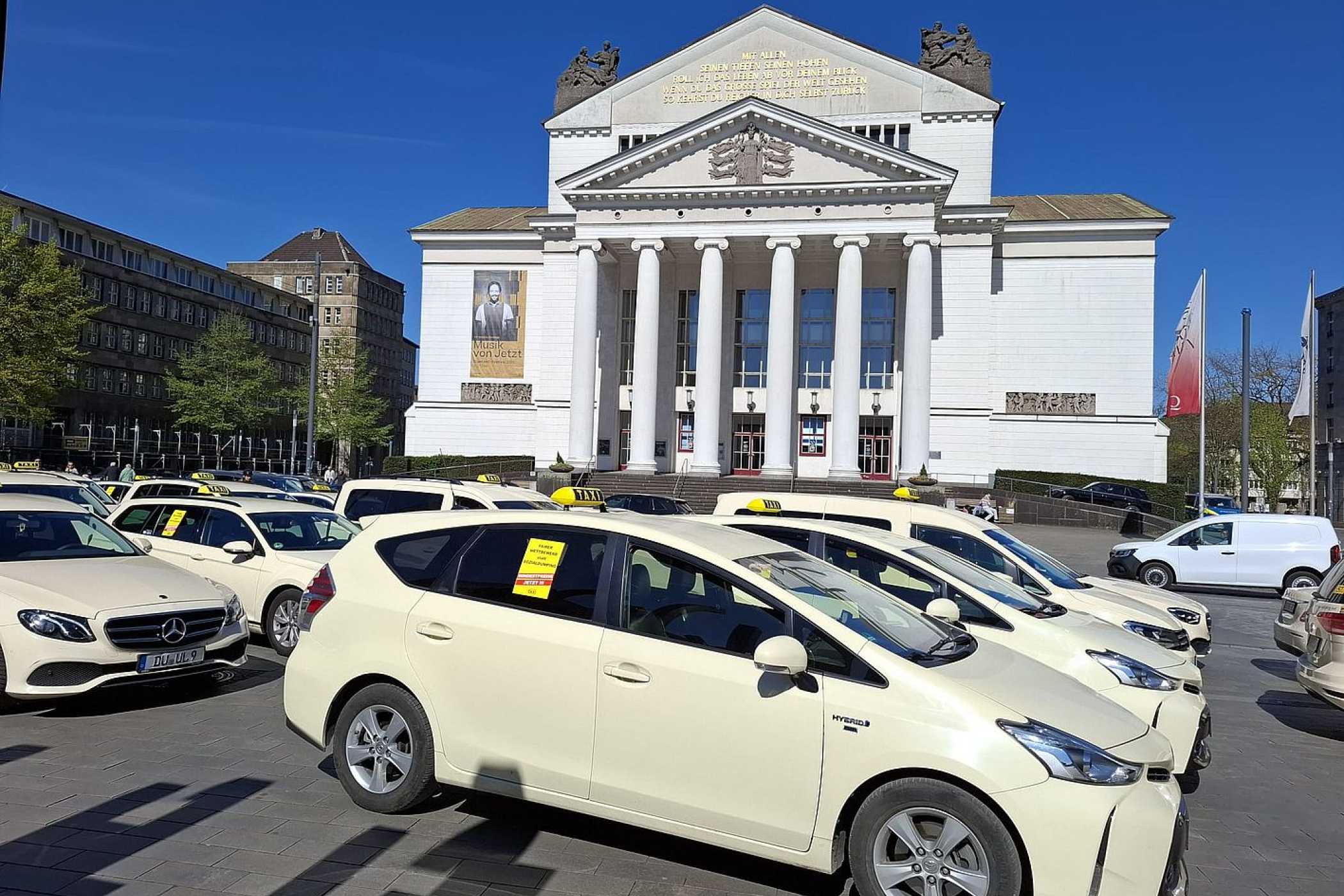
The taxi industry once again advocated for a central concern - the introduction of a binding minimum price for rental car companies - to limit the unfair price pressure from platform operators. This time, the Federal Association of Taxis and Rental Cars (BVTM) was also present in the person of Svenja Lange-Wilde. This action was once again organized by the Funktaxi-Zentrale e.G. together with local entrepreneurs.
The situation is escalating
In Duisburg, around 270 taxis are licensed. However, while this number is continuously decreasing, the number of Uber vehicles in the city is apparently increasing noticeably. According to the Funktaxi-Zentrale's assessment, about 200 vehicles are now operating for the American ride-hailing service. The platforms arrange rides at prices that are significantly below the legally regulated taxi fare - 2.50 euros per kilometer during the day, 2.70 euros at night and on holidays.






Minimum Prices as a Measure Against Price Decline
The demonstrators are demanding a minimum price of 2.30 euros per kilometer for rental car companies. The city of Duisburg is open to dialogue. The city initially wants to commission an expert report, announced Fuat Cetin from the radio taxi headquarters. The introduction of corresponding regulations is thus a matter of time, but has not yet been decided.
The economic calculation of taxi companies is quickly made: According to industry information, a permanently employed driver incurs about 17 euros in fixed costs per hour — through wages, levies, vacation entitlement, or continued payment in case of illness. In order for the operation to be profitable, a driver must generate between 25 and 39 euros per hour depending on utilization. Platform providers like Uber, on the other hand, operate with flexible working relationships, often on a self-employed basis — with significantly lower costs and hardly any control, criticize the taxi companies.




Nationwide Debate, Local Impact
The dispute in Duisburg serves as an example of a nationwide discussion. More and more cities are grappling with the question of how to regulate competitive pressure from platform services. The German Taxi and Rental Car Association (BVTM) reports five business closures per day due to the price drop from so-called social dumping models.
Not only associations like the BVTM or TMV but also the Taxi Working Group at Ver.di Berlin are calling for swift and decisive action. They see minimum prices as a short-term solution, but in the medium and long term, more transparency and binding qualification standards for all providers in passenger transport are needed.
An Appeal to Politics
The message to city politics is clear: without regulatory measures, many businesses see themselves incapable of continuing to operate economically. The concern is that the market is at risk of developing into an uncontrolled competition for the lowest price—at the expense of social standards and fair working conditions. In an industry that has been a firm part of urban infrastructure for decades, the need for protection against a competition that is no longer conducted on an equal footing is growing. Once again, taxi drivers in Duisburg voiced their protest emphatically but exemplary peacefully—even if this time it ended with a taxi horn concert to reinforce their demands.
Content automatically translated.


Taxi-Fahrzeuge (Pkw) , Taxi-Newsletter, Taxameter, Taxi-Fahrer , BZP – Deutscher Taxi- und Mietwagenverband , Straßenverkehrsordnung (StVO) , Krankenbeförderung , Weiterbildung , Taxi-Konzessionen , Verkehrspolitik , Mietwagenbranche , Taxi-Apps , Berufskraftfahrer-Qualifikations-Gesetz BKrFQG) , Taxizentralen , Personal, Gehälter, Arbeitsschutz , Wirtschaftsnachrichten , Werbung , Taxi-Folierung , Taxi-Umrüster , Straßenverkehr , Elektromobilität, Taxifuhrpark und -flottenmanagement , Taxi-Versicherungen , Hybrid, Diesel, Erdgas , Taxi-Magazin







